Casino films have a special kind of electricity. They are rarely just about cards, chips or roulette wheels. The best ones are about temptation, nerve, greed, glamour, desperation and that ridiculous human belief that one more hand might change everything. Put a character under the glow of a casino floor, give them a drink, a debt, a secret or a plan, and suddenly you have cinema doing what it does best: making bad decisions look magnificent.
No list of casino films can sensibly begin anywhere other than Casino, Martin Scorsese’s 1995 epic about power, money and organised crime in Las Vegas. Robert De Niro plays Sam “Ace” Rothstein, a gambling expert running a casino with the precision of a Swiss watch and the emotional stability of a man standing beside a fireworks factory with a lit match. Sharon Stone is unforgettable as Ginger, while Joe Pesci brings his usual brand of terrifying small-man chaos. What makes Casino so brilliant is that it shows the casino not just as a playground, but as a machine. Every room, every table, every comped drink and every security camera is part of a system designed to keep money flowing one way.
Then there is Ocean’s Eleven, the casino film for people who like their crime served with a wink and a tailored suit. Steven Soderbergh’s 2001 remake is stylish, funny and almost annoyingly cool. George Clooney, Brad Pitt, Matt Damon and the rest of the crew attempt to rob three Las Vegas casinos at once, including the Bellagio, and the whole thing moves along with the confidence of a man who knows he looks good in sunglasses indoors. It is less gritty than Casino and more of a fantasy, but that is exactly the point. It turns Las Vegas into a giant adult toy box, full of vaults, disguises, fountains and impossible plans.
For proper old-school gambling tension, The Cincinnati Kid remains one of the greats. Released in 1965, it stars Steve McQueen as a young poker player trying to prove himself against the legendary Lancey Howard, played by Edward G. Robinson. The film is not full of digital trickery or glossy casino excess. Its power comes from faces, silence and the slow pressure of a card game where ego matters almost as much as money. It understands something essential about gambling: the most dramatic moments often happen when everyone at the table is pretending not to feel anything.
Rounders is another must-watch, especially for poker fans. Released in 1998, it helped shape the modern image of underground poker culture before the online poker boom exploded in the early 2000s. Matt Damon plays Mike McDermott, a talented player trying to walk away from the game, while Edward Norton’s Worm drags trouble behind him like a man carrying a suitcase full of unpaid debts. John Malkovich, with an accent that has been debated ever since, gives the film its villainous bite as Teddy KGB. Rounders is not really about glamorous casinos. It is about back rooms, bankrolls, reads and knowing when someone across the table is trying to bully you with nothing.
If blackjack is more your game, 21 offers a slick, accessible take on card counting and casino advantage play. Based loosely on the story of the MIT blackjack team, the film follows a group of students who use maths, signals and discipline to beat casinos at their own game. It takes plenty of dramatic liberties, but it captures the fantasy beautifully: intelligent outsiders walking into Las Vegas and using brains rather than brute force to win. The appeal is obvious. Everyone likes the idea of being smarter than the house, even if the house usually has better lawyers.
James Bond has also done more than his fair share for casino glamour. Casino Royale, released in 2006, gave Daniel Craig one of the strongest Bond debuts of all time and placed a high-stakes poker game at the centre of the story. The casino scenes are tense, elegant and wonderfully theatrical. Bond is not just playing cards; he is reading enemies, hiding pain and trying to stop a terrorist financier without spilling his martini. The film modernised Bond while keeping the old casino sophistication intact. It reminded audiences that few things look better on screen than a tuxedo, a dangerous woman and an absurdly expensive poker hand.
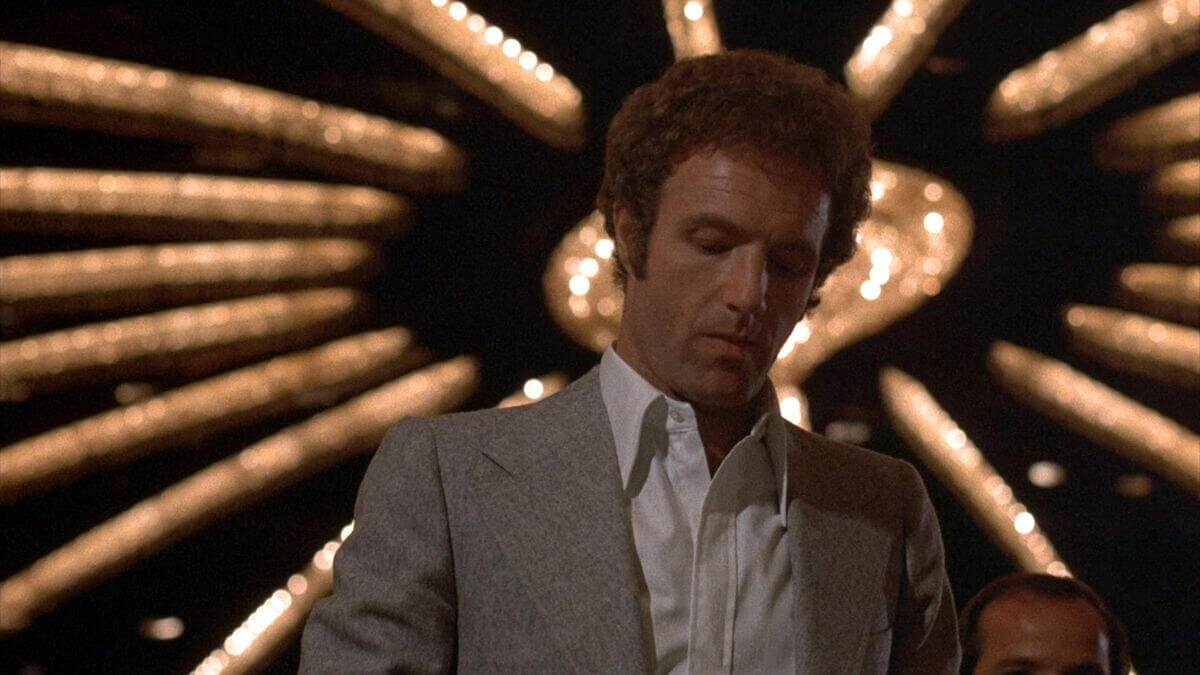
For something darker and more intimate, The Gambler is worth attention, particularly the 1974 version starring James Caan. This is not casino glamour. This is gambling as obsession, addiction and self-destruction. Caan plays a literature professor who cannot stop betting, even when winning would be the sensible time to walk away. The film is uncomfortable because it understands that some gamblers are not chasing money as much as they are chasing danger. It is a reminder that casino films work best when they show both sides of the table: the thrill and the cost.
Molly’s Game deserves its place as one of the best modern gambling films, even though it focuses more on underground poker than casino floors. Written and directed by Aaron Sorkin, it tells the story of Molly Bloom, who ran exclusive poker games for celebrities, business figures and serious players. Jessica Chastain is sharp, controlled and compelling in the lead role, while the film gives viewers a fascinating look at the social hierarchy of high-stakes gambling. It is about money, yes, but also access, reputation and the strange little kingdoms that form around private tables.
One of the joys of casino films today is how easy they are to watch on a phone or even play online casino games. Most online casino websites have the pay by phone casino option for you to choose from if you want to play for real money. You no longer need to wait for a late-night television slot or dig out an old DVD. Most of these films can be rented, bought or streamed through mobile apps such as Apple TV, Amazon Prime Video, Google TV, Netflix or whichever platform happens to have the rights at the time. Availability changes, because streaming rights move around like a dodgy roulette ball, but the mobile experience has made casino classics far more accessible. A train journey, hotel room or lazy Sunday afternoon can become a mini film festival with nothing more than headphones and a decent battery.
Watching casino films on mobile also suits the genre better than you might expect. The close-ups matter: eyes narrowing over a poker hand, fingers touching chips, a dealer turning a card, a player trying very hard not to look ruined. On a good phone screen, those details still land. The sound matters too, especially with headphones: the shuffle of cards, the murmur of the room, the clink of chips and that background casino hum that always sounds like money being lost politely.
The greatest casino movies endure because they are not really about gambling alone. They are about risk. Some characters risk money, others risk freedom, love, reputation or their own sanity. Casinos simply provide the perfect stage: bright lights, no clocks, plenty of mirrors and the quiet promise that fortune might change in the next few seconds. That is why these films still work, whether you watch them on a cinema screen, a television, or on your phone while pretending you are only going to watch ten minutes before bed.