Claes Bang | THE BAY OF SILENCE

claes bang

Claes Bang is a Danish actor and musician best know for playing the lead role of Christian in the Palme d’Or winning The Square (2017) and as the titular Count in the recent BBC/Netflix series Dracula. Claes took some time to talk with STARBURST about his latest film, The Bay of Silence, being a piano, playing a piano and, of course, being Count Dracula.

STARBURST: Your new film The Bay of Silence has a curious atmosphere, would you agree?

Claes Bang: Well, I hope it has an unsettling atmosphere where you’re not really sure what’s going on. That’s what I had when I first read it. And it’s important for us to establish it early on. The guy that I’m playing has a feeling that nothing is what it seems to be. I hope we’ve succeeded as that’s what drew me to it. When I read it, I thought ‘What the fuck is going on?’ My wife is totally bonkers, and she’s left and taken the kids. That is why I said yes to it.

Your character comes across rather innocent?

I tried to go for a ‘good-guy’, someone to count on. And then he has to deal with all these things and his moral compass is challenged. He ends up making some odd decisions, you know, like burying your child on a beach and so on. So, I wanted to try and embody that, but also thinking what ‘would you actually do in the situations he finds himself in?’. I like it when characters make strange and bold choices because if they always do what’s expected it can be quite boring. It’s interesting to change the dynamic.

That’s right. You never know where it’s going and even at the end, without spoilers, you’re still not sure it’s over.

Exactly. I like that. At the end it could be all be dreamt up or has he really gone through it.

You’re an executive producer on the film also. When did you get involved initially?

Caroline Goodall who wrote the script and produced it approached me in 2017, I think, but the thing about being an executive producer was Olga [Kurylenko] and I getting involved in developing it. I was intrigued from the start, just as puzzled and mystified as my character.

Do you see yourself behind the camera more?

Actually, no. I don’t see myself in a producing or directing role. I’ve never had that ambition. I find that I’m very happy and lucky to be doing what I’m doing in front of the camera.

We’ve heard you describe yourself as a piano.

Yeah, that’s my ideal. I want to be the best piano or whatever instrument they need so they can do anything they want with me. I don’t see myself as an interpreter of anything, rather something the music flows through. And the director decides how it goes. It might sound like a strange metaphor, but it makes sense to me. That’s my take on it.
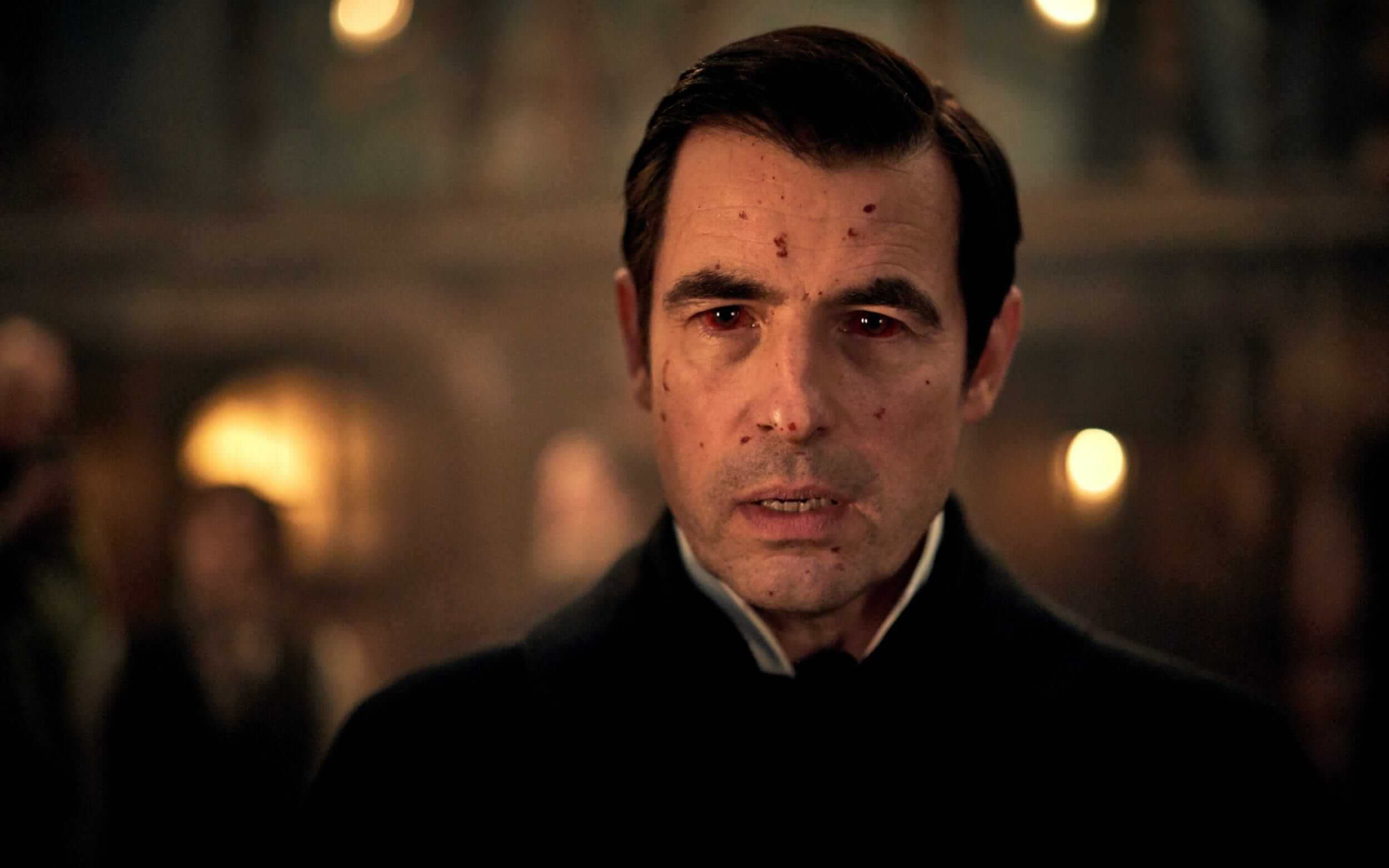
Which is interesting because a lot of actors are keen to stamp their authority on a role and give their take, so with such an iconic role as Dracula, you didn’t have anything specific you wanted to add or otherwise?

With Dracula. I think the importance was in the story being told and that there was something new there. Actually, when my agent said they wanted to see me for the role I thought he was kidding. Does the world need another Dracula? There are millions out there. Then he said it was Mark [Gatiss] and Steven [Moffat] who had written it, so he got my attention. It’s great because they’ve added new things but still maintained the original’s feel. But I don’t see it as my Dracula at all. It’s our Dracula. It’s their writing that I’m embodying. I just try and fit in with what’s written. In casting me they found who they thought was right so it’s my job then to make sure their work flows through me. The one thing I did discuss with them was how funny it was, and if it was actually too funny. I think they found a balance though.

And could there be more? Dracula is fundamentally about resurrection.

I would love to do more, but that decision lies with the executives. There are so many people involved but I’ll just be waiting and hopefully one day they’ll phone me.

We wanted to ask you about your music because with everything you’ve said about being an instrument for the writers and director, your music seems entirely personal and wholly you.

Absolutely. It’s something different. When I’m an actor, I’m a performing artist but with the music I’m the one who it all comes from. That’s why I do it. After a day of being told where to be and what to do it’s lovely to come home, grab your guitar or sit at the piano, and fucking decide everything yourself. No-one tells me what chords to play. In that sense it’s an antidote. And the great thing is that with Dracula coming out around the world more people have found my music, which is very cool.

There are influences we can hear in there, and your name This Is Not America comes from a Bowie track, but are they particular artists you draw from?

I would say it’s more an era. I think you can hear that I’ve been listening far too much to New Order, Joy Division, Pet Shop Boys, Depeche Mode… all that. When you’re in your teens there is music you connect to and that was synth-pop and I listen to so much British music. Bowie, Roxy Music and so on, all from the ‘80s. That’s my DNA. I sit down sometimes and desperately try and sound like 2020 but within 5 minutes I sound like 1981. And anything I listen to today such as The XX or Tame Impala all have similar influences. I know I sound like my parents but everything now all sounds the same!

The Bay of Silence is out now


Tero Kaukomaa | MAD HEIDI

tero heidi

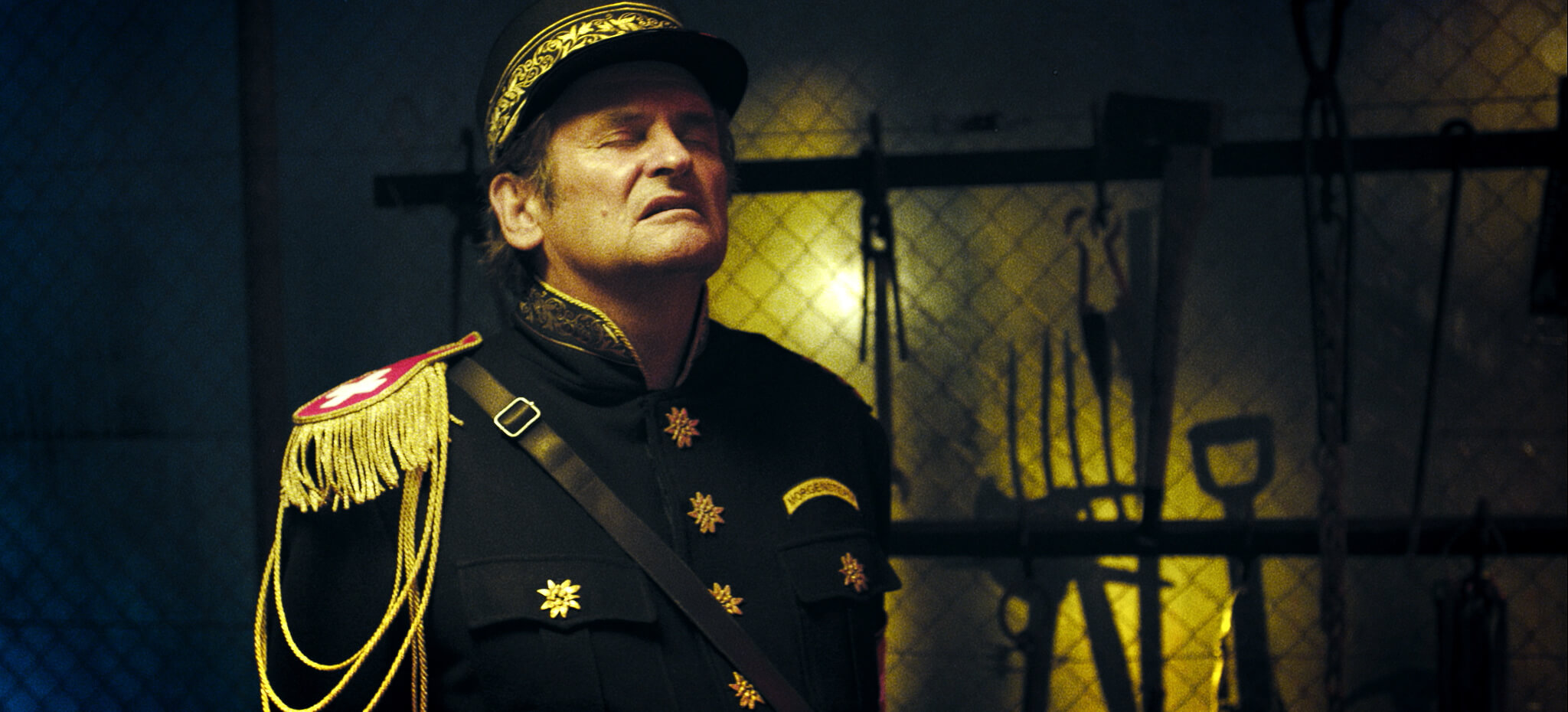
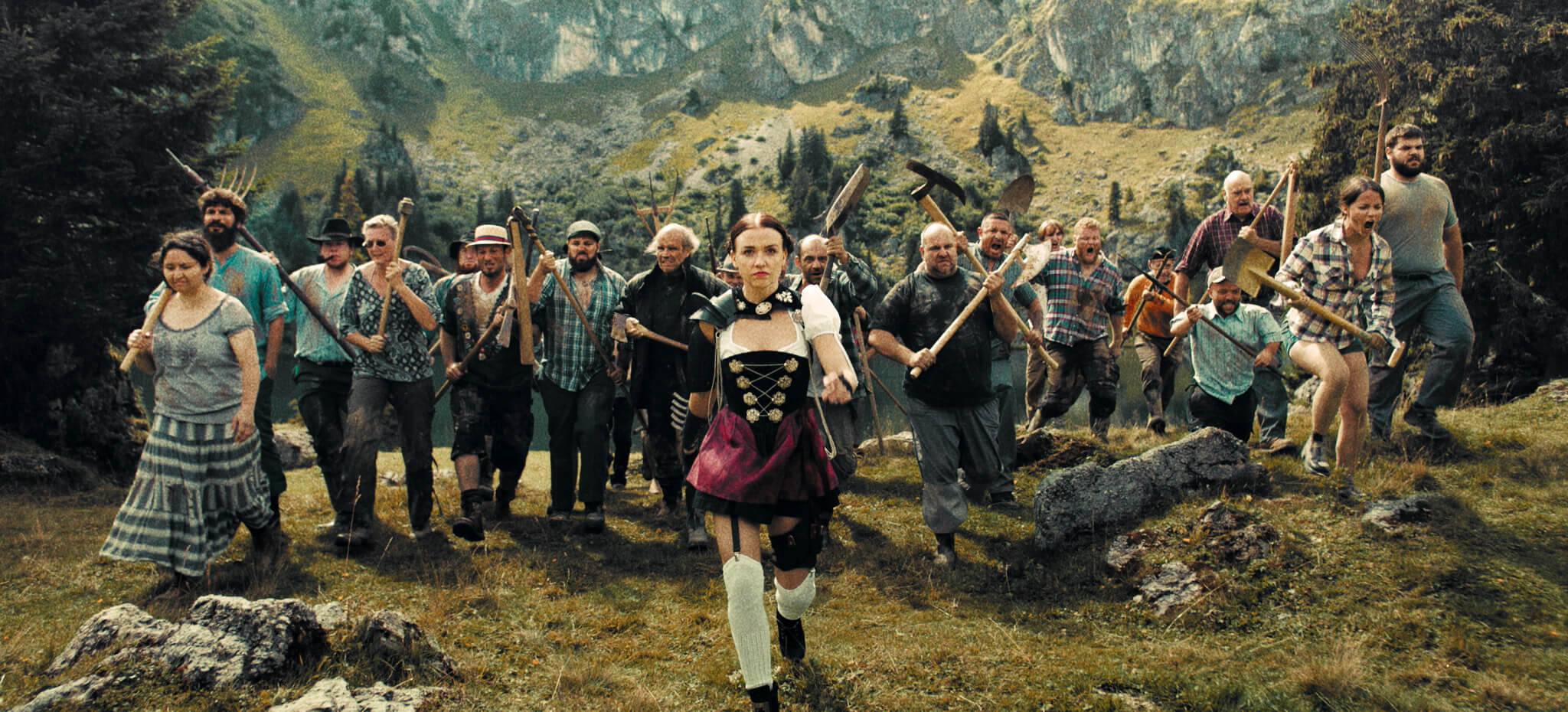
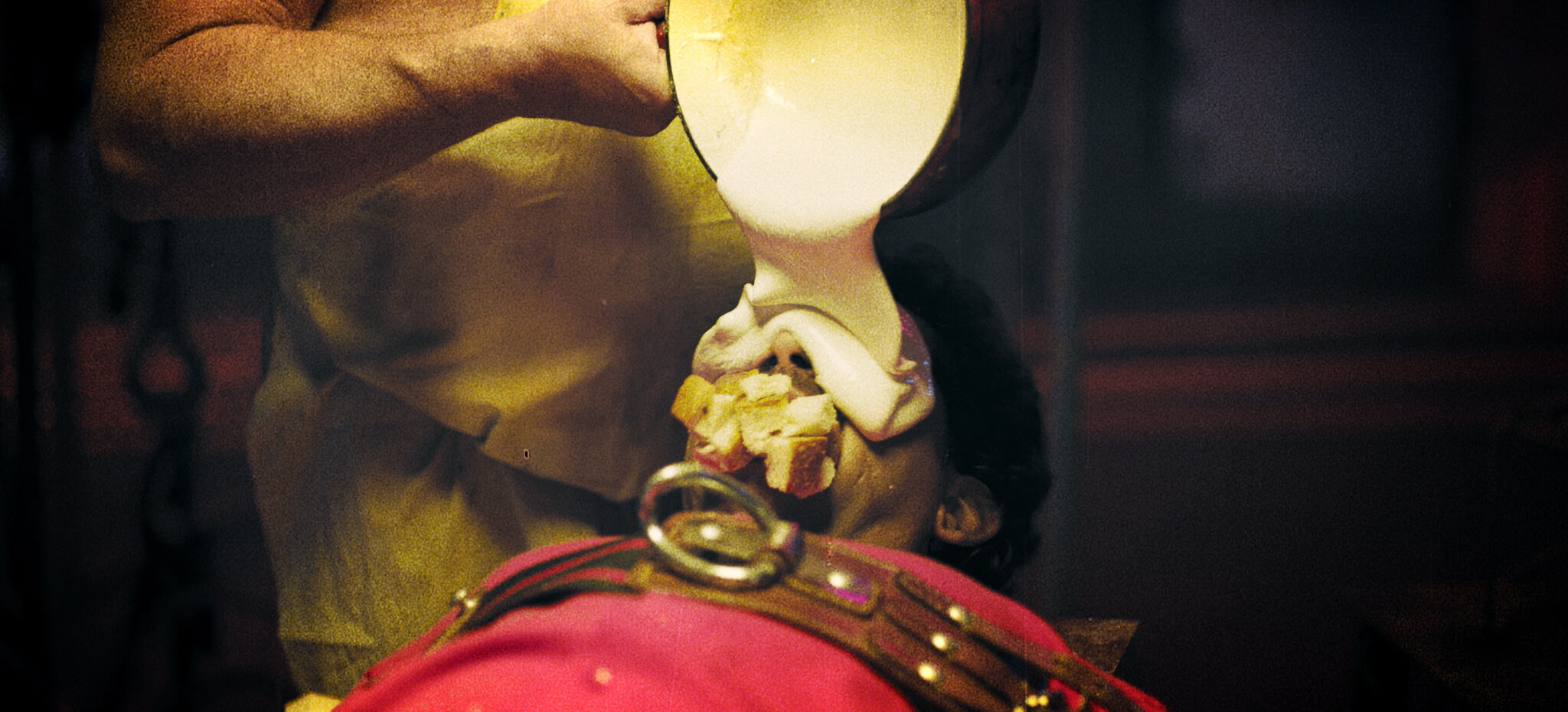
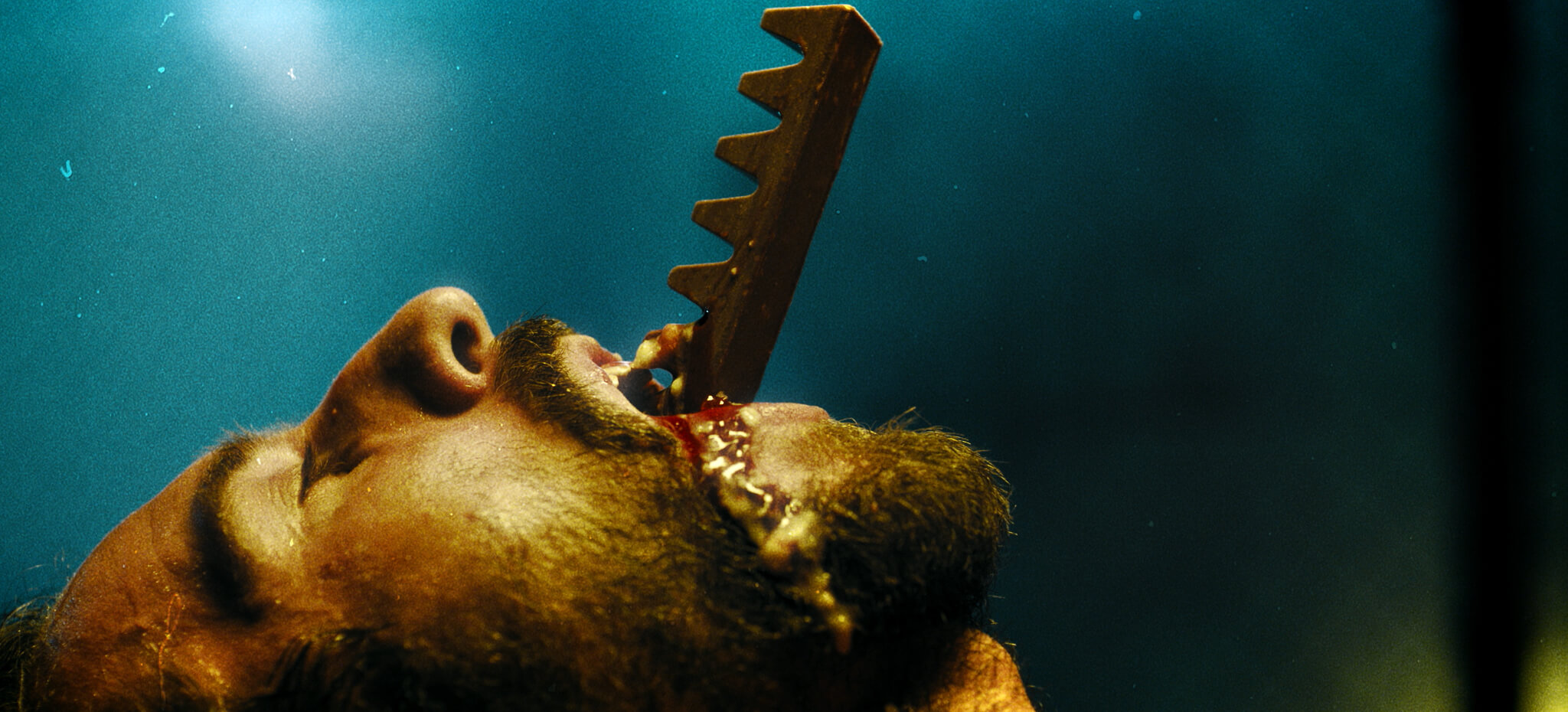
Following the success and popularity of the Iron Sky movies, you’d have wondered what could come next. Producer Tero Kaukomaa knows – Swissploitation! We caught up with him to find out about Mad Heidi, the film will show us that the hills are alive with the sound of screaming!

STARBURST: What was it about Johannes Hartmann’s idea for Mad Heidi that excited you?
Tero Kaukomaa: First and foremost, it was the concept of a real film first, a Swissploitation film, using famous Swiss clichés to spice the story. I have lived in Zurich for over 20 years and I love it, and I saw the potential for a great self-irony. I also fell in love in Johannes’ visual style, which is sparked by his clear vision. I think these two elements made me excited and I wanted to start making
it all real.

You worked on the Iron Sky films, how much will they influence the film?

I think the biggest influence is the attitude we have in making the film, meaning we wanted to involve our fans, for them to be part of it. We hope this collaboration will help to spread the word more widely all over about what is possible.

Producer Tero Kaukomaa

Other than Iron Sky, what sort of films influence the look and feel of the film?

Personally, I´m thinking it is like Kill Bill meets The Sound of Music, but obviously there is
more to it than that. Mad Heidi is Johannes’ vision, inspired very much by the exploitation cinema of
the 1970s, combined with the alpine setting of the Swiss Heimatfilms [Homeland films] of the 1950s and ‘60s.

Will the teaser trailer footage be in the film or is it more ‘proof of concept’ footage?

It was done as a proof of concept and is not meant for the final film. But who knows, we may find a cool way to use some of it. Time will tell.

You’ve gone a different crowdfunding route by cutting out the likes of Kickstarter,
why is that?

Actually, with Iron Sky, we started crowdfunding before Kickstarter even existed! We did
use IndieGoGo several times, and also some equity platforms. But maybe even more
importantly, we engaged the fans in so many ways like never before. Only recently, Jurassic Park actually copied our idea in their publicity campaign “Get killed by a Dinosaur”.

For Mad Heidi, we want to centre all fan engagement in one place – madheidi.com – from the
early development, financing, production, all the way to the release and beyond. We think having the platform is very important, and it is where the film will available globally and simultaneously for the fans. From day one. And I hope its success will result in cinematic Mad Heidi Fan premiere events around the world.

What is the budget that you’re looking to raise?

We need minimum of CHF 1 million to start the production, and then we will continue fundraising
with a total goal of CHF 2 to 2.6 million. The amount will vary depending on some production decisions to be made once we are underway. Also, I want to add that we treat the budget a bit different than a normal European film does, where you don’t include your marketing efforts in the budget because it’s going to be handled by the distributors. As we are doing distribution ourselves, we allocate around 25 % of the production budget to marketing. In practical terms, this means fan-powered activities. There are a lot of costs there, but it is all worth it if you compare it with normal advertising spending.

Do you have a timescale to finish the film?

We aim to shoot the film in summer 2021, and to be able to release Mad Heidi during 2022.
We will lockdown the exact date once we have started shooting, but it is most likely to be more in the autumn 2022.

There will be a launch of the unique investment opportunity for Mad Heidi at the Zurich Film Festival on September 29th. You can register your interest by heading to https://invest.madheidi.com/ – investors will get a share of the net revenue of the film and be part of the world’s first Swissploitation movie!

Find out more about how you can help Mad Heidi get made by heading to the website.

Images: click for full size.

LOST – The 20 Best Episodes

It’s been sixteen years since LOST first premiered, and over ten years since the show left our screens. One of the most influential, iconic television shows of all time, LOST has been often imitated, but never beaten. What better time to return to the island than now? Join us as we take a look at some of the show’s greatest hits, season-by-season. As a great man once said, we have to go back…

20. The End (Season 6, Episode 17)

So they were dead all along, right? Well, yes and no, but mostly no. Whatever happened, happened. Except for Season 6’s flash-sideways; revealed to be a purgatory party in which our castaways come together for one last time to mingle and say goodbye. The action on the island works too (how apt for Lost, that its big action set-piece is a fistfight in the rain). And we can’t think of a better guy to leave in charge than Hurley, the show’s heart and soul. Controversial and often misunderstood, there’s no denying that The End is flawed, but it’s an emotionally satisfying ending, and one which is entirely appropriate for the show’s themes and symbology. It may not be the ending some fans had hoped for, but it’s the one its characters deserved.

19. Ab Aeterno (Season 6, Episode 9)

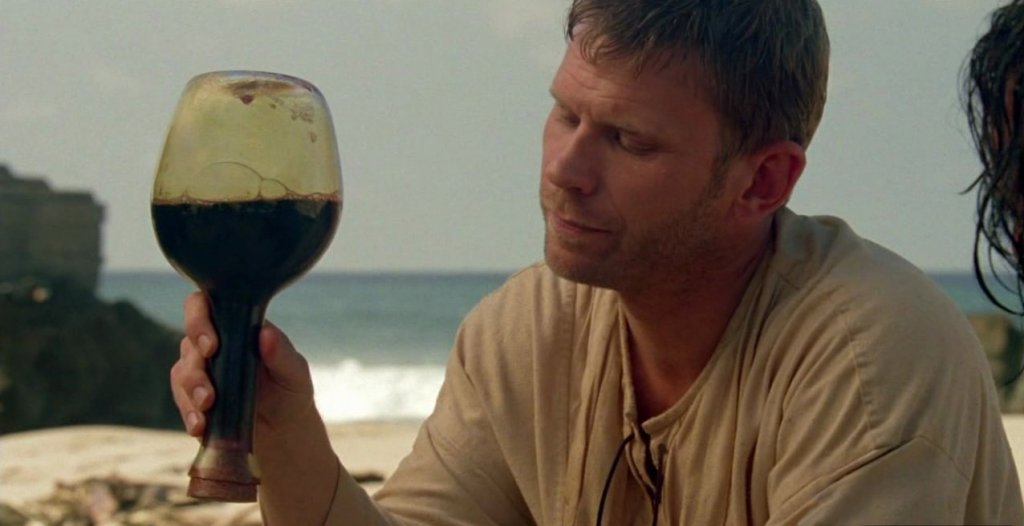
While Lost wasted a lot of time on its mythology surrounding Jacob and the Smoke Monster, the one standalone episode which did stand out was the centuries-spanning Ab Aeterno. Devoted to charismatic leader of the Others Richard Alpert, it explores how Richard came by his place on the island. We also find out the origin of the Black Rock and the root of Richard’s immortality. Time well spent with one of the island’s most fascinating inhabitants.

18. The Incident: Part II (Season 5, Episode 17)

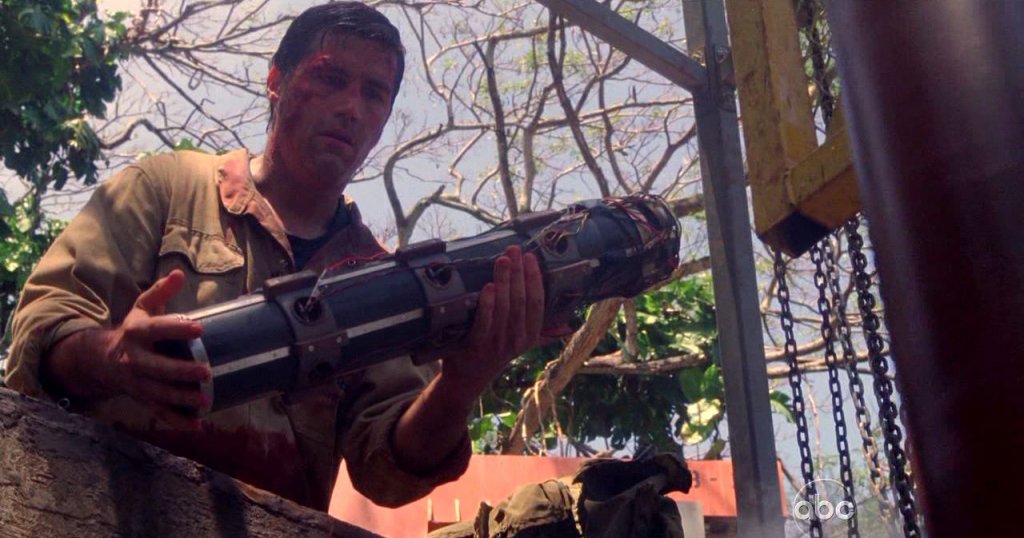
Lost’s time travel season comes to an end with a bang. Literally. When simply ‘going back’ doesn’t fix all their problems, Jack’s next big idea is to set off the nuclear bomb buried under the island. Having found a life amongst the Dharma Initiative with Juliet, Sawyer is less than thrilled with the idea. Finally, the two come to blows in a satisfying yet heartbreaking fistfight, which still ends with the island exploding and Juliet dead at the bottom of a pit. An action-packed season finale, The Incident does a great job in setting the stage for the show’s final season.

17. The Life and Death of Jeremy Bentham (Season 5, Episode 7)

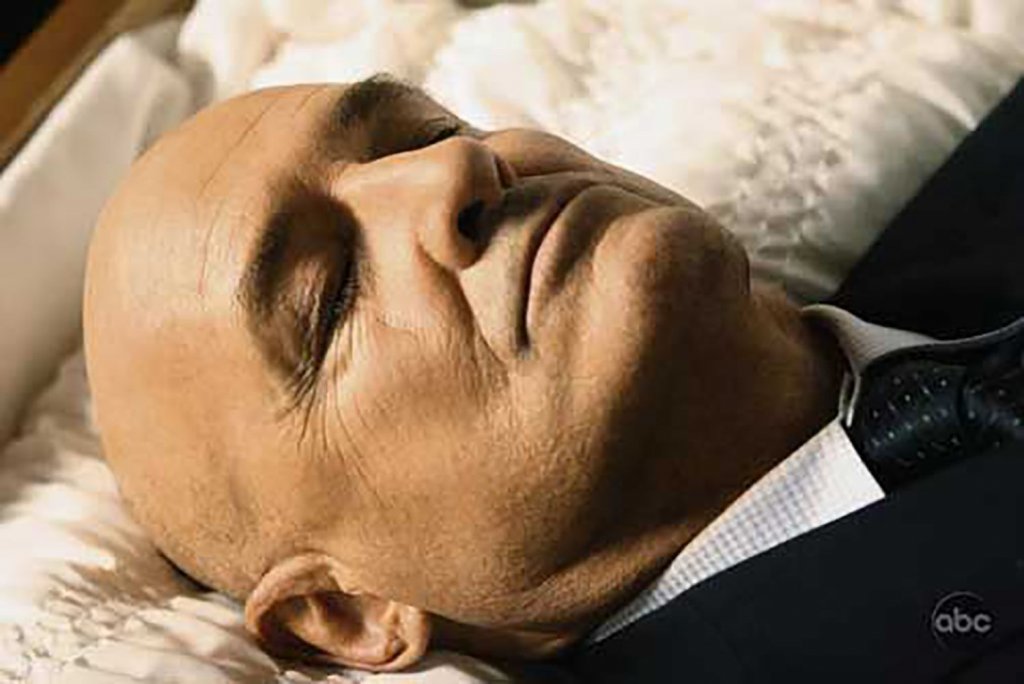
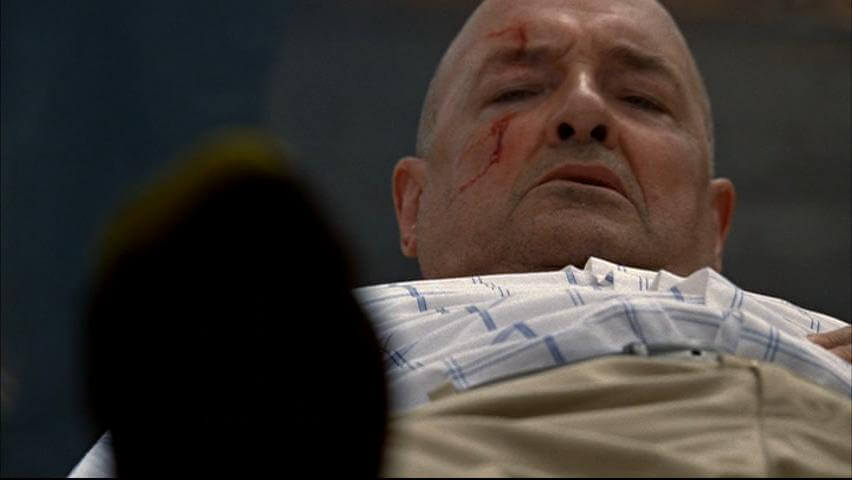
John Locke was dealt a bum hand in life. Although none of our castaways have ever had it easy, Locke’s story is by far the most tragic. Screwed over repeatedly and then crippled by his conman father, Locke thought he found purpose and meaning in the island – only for that to do him dirty too, tying him in knots in a tug-of-war between Jacob, the Smoke Monster and the Others’ constant power battles. Things only got worse once he left the island; attempting suicide in a dingy motel room, Locke’s life was saved by Ben… only for the little weasel to immediately murder him anyway. The Life and Death of Jeremy Bentham does not make for easy watching, but is incredibly powerful nevertheless.

16. There’s No Place Like Home: Part III (Season 4, Episode 14)

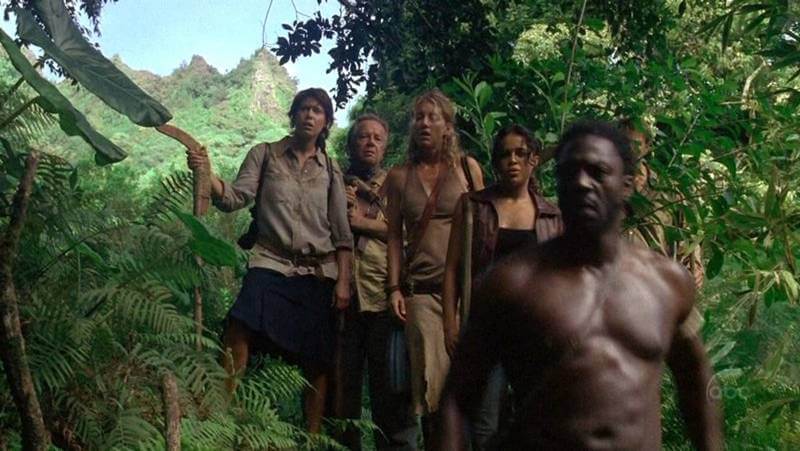
The Season 4 finale is one of the show’s weakest, but it’s worth it for the big cliffhanger. Jack, Kate, Sayid, Hurley, and Sun (plus Claire’s baaaybay) finally get off the island; a returning Michael sacrifices himself to save his friends; the freighter explodes, with Jin still on it. What will become of the castaways, both on island and off?

15. The Shape of Things to Come (Season 4, Episode 9)

It all kicks off in Episode 9 as the intentions of those on the freighter are finally revealed. Taking Ben’s daughter Alex hostage, mercenary Martin Keamy (one of the show’s slimiest villains) demands that Ben surrender himself to Charles Whitmore’s forces. Ben refuses, resulting in one of the show’s most shocking deaths.

14. The Constant (Season 4, Episode 5)

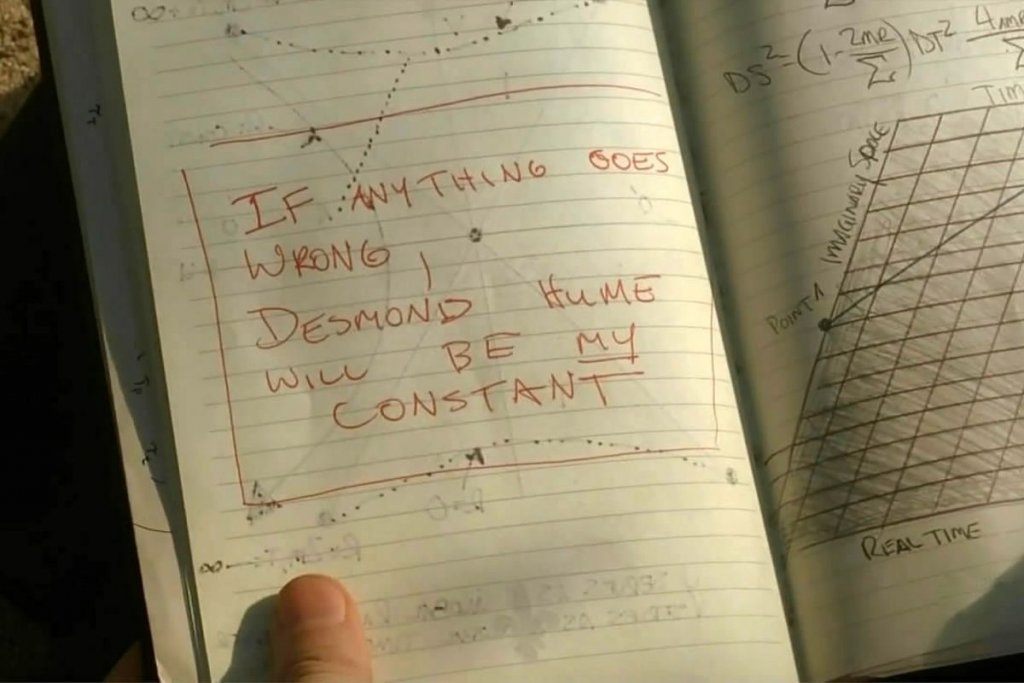
As a rule, the Desmond episodes are some of the show’s best. On the freighter with Sayid, Desmond begins to experience his own past and future simultaneously. The twisting, turning in-and-out narrative not only predicts the show’s imminent time travel shenanigans, but also serves as a neat introduction to physicist Daniel Faraday – one of the show’s most memorable characters. Best paired with Season 5’s The Variable.

13. Through the Looking Glass (Season 3, Episode 22)

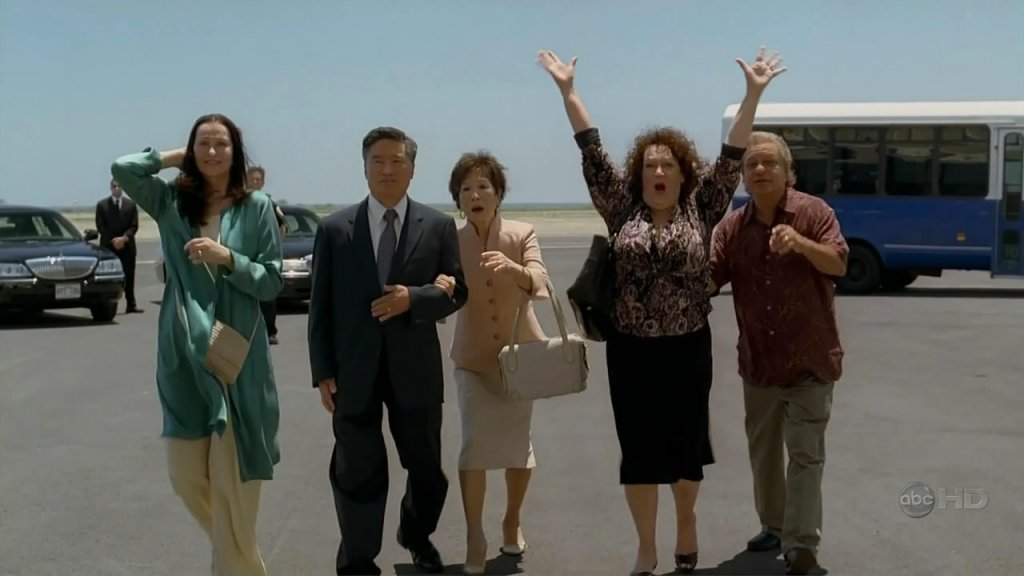
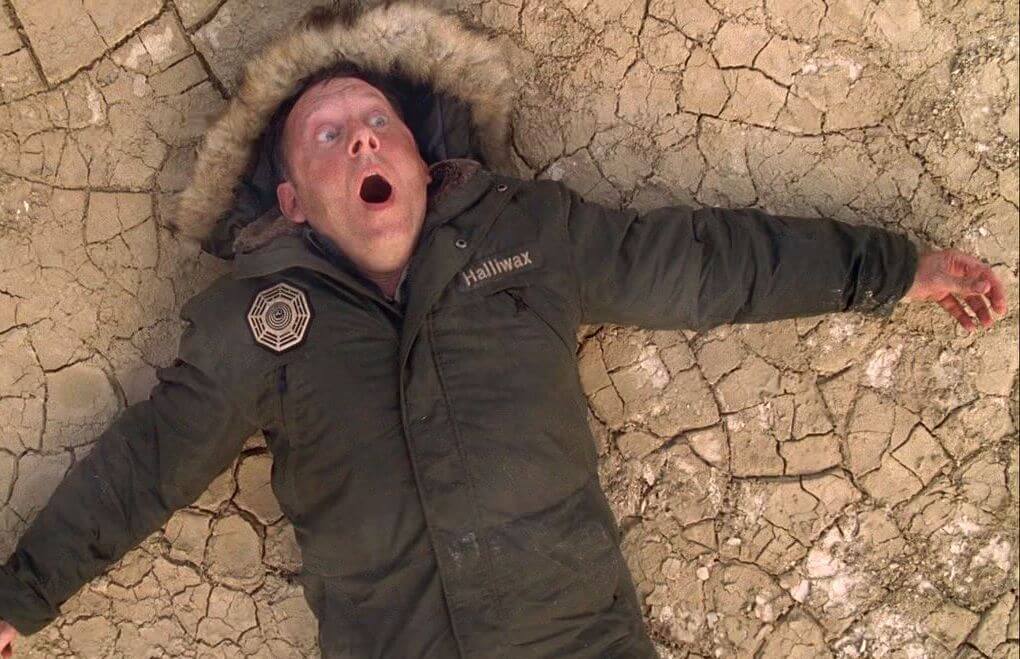
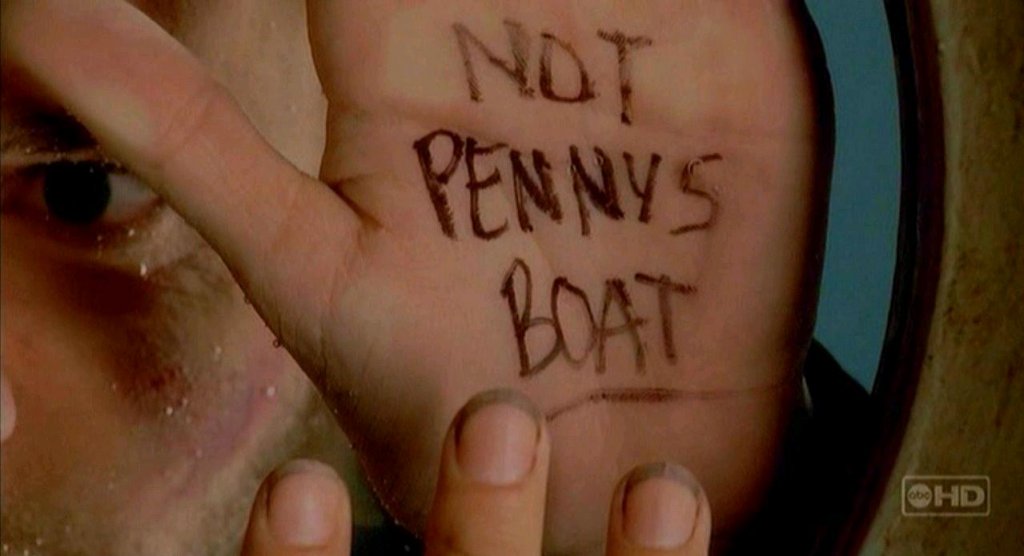
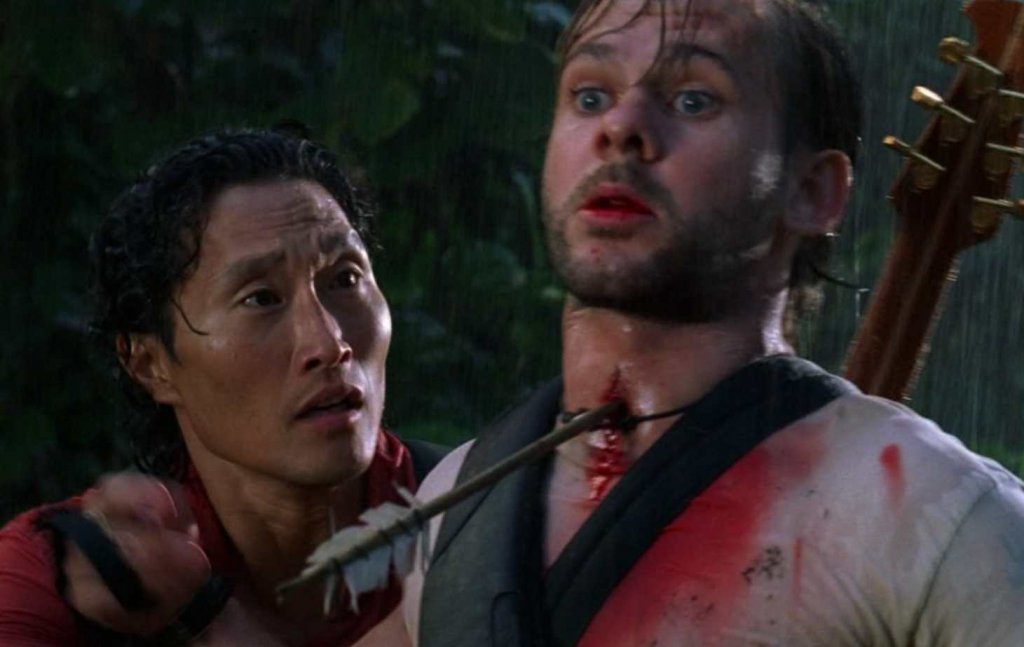
When it comes to Lost’s most iconic moments, few live up to the Season 3 finale, which delivers not one but two of the most quotable revelations in the whole show. First, the death of Charlie and “not Penny’s boat”. So, if not Desmond’s famous ex, then who? And if the demise of everyone’s favourite Driveshaft rocker (sorry Liam) wasn’t enough, we also get the iconic “We have to go back”, which reveals that the bearded Jack flashback we’ve been watching throughout the episode isn’t a flashback at all.

12. Catch-22 (Season 3, Episode 17)

Emerging from the exploded hatch with precognitive powers, Desmond desperately tries to save Charlie from the plot of a Final Destination movie. Unfortunately, his plan to keep the Rockstar out of harm’s way hits a snag when one of his premotions suggests that Charlie’s most imminent death might be integral to their being rescued from the island – by Penny, no less. Pair with this season’s Greatest Hits for maximum effect.

11. Expose (Season 3, Episode 14)

Yes, the Nikki and Paulo episode. The show’s most controversial episode takes some time off from the main story to focus on the lives – and deaths – of two characters who had only recently begun to take prominence on the island. This cheeky murder mystery is the most inessential Lost episode of all time, but also one of the most fun – ending on perhaps the show’s cruellest twist of all. It’s certainly more defensible than the episode all about Jack’s tattoos.

10. A Tale of Two Cities (Season 3, Episode 1)

Much of the show’s third season is a bit of a slog, starting with Jack, Kate and Sawyer all locked up on the Others’ other island. Regardless, Season 3’s opening episodes serve as an interesting insight as to how the Others live. It’s also the debut of Juliet, who would turn out to be one of the show’s best characters.

9. Live Together, Die Alone (Season 2, Episode 23)

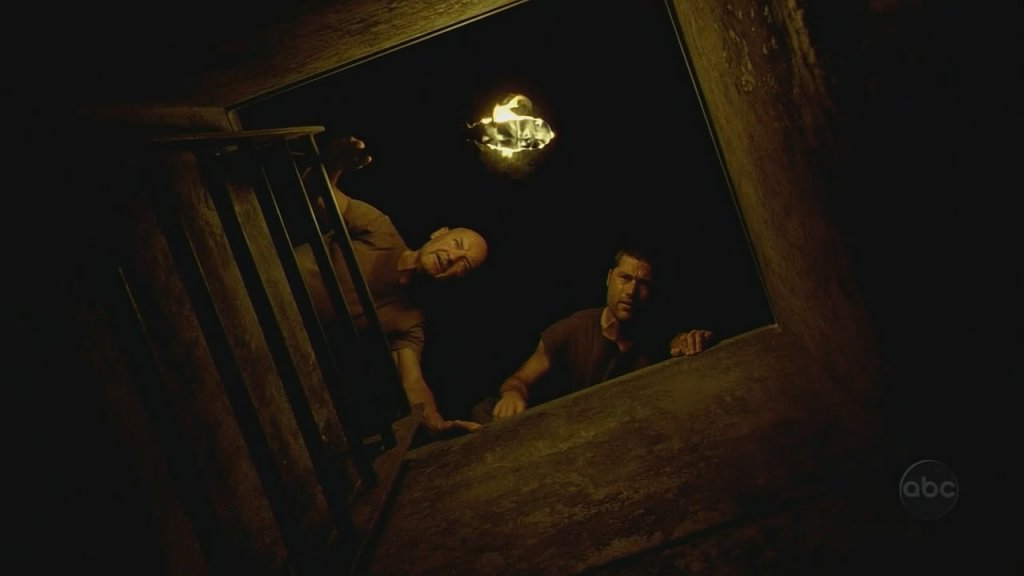
Michael’s betrayal wasn’t over yet. Working with the Others, Michael talks Jack, Kate, Sawyer and Hurley into a rescue attempt on Waaaaalt, over on the far end of the island. Although the gang quickly wise up to Michael’s deception, this doesn’t prevent them from being captured anyway – in spite of the best efforts of Sayid and his sailboat. Meanwhile at the hatch, we finally find out what happens when you stop pressing the button.

8. Two for the Road (Season 2, Episode 20)

As it turns out, Anna-Lucia’s intense paranoia wasn’t so ill-founded. Captured by the Others and then blackmailed into helping free their leader, Michael returns to the camp… only to shoot dead Anna-Lucia, and Hurley’s sweetheart, Libby. Although viewers were beginning to understand that the show had no qualms about killing off core characters without warning, no-one expected them to do away with these two so soon after their introduction.

7. Lockdown (Season 2, Episode 17)

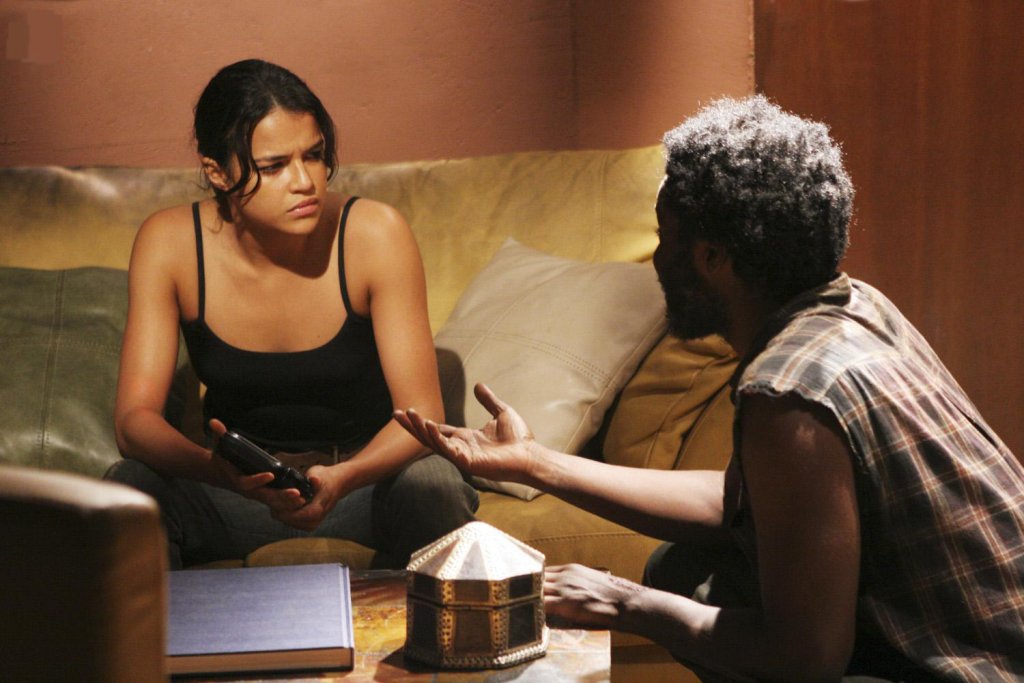
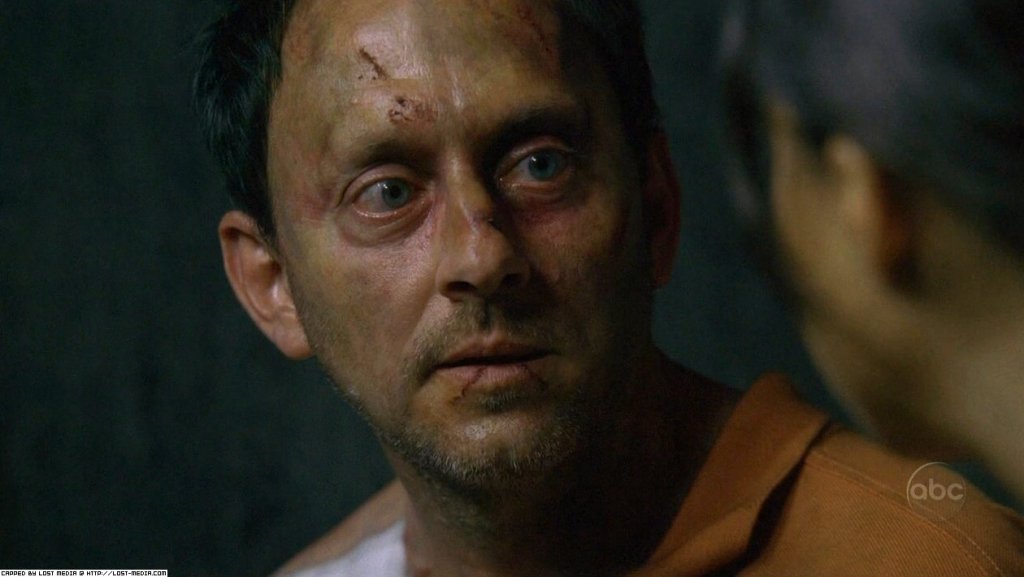
Lockdown. Locke… down, geddit? Stuck in the hatch with Ben (still calling himself Henry Gale, and fooling no-one) while the gang head out into the jungle on yet another quest, Locke is forced to turn to their weasly captive for help when the hatch starts acting up. This is a great episode for Locke, Ben and the hatch… ending with the revelation that, as suspected, Ben is not all that he claims to be. Obviously. You only have to look at the guy.

6. The Other 48 Days (Season 2, Episode 7)

Meanwhile, on the other side of the island… the back end of the plane. With Michael, Sawyer and Jin captive at the hands of the paranoid tail-end survivors, we find out how the other half lives. It hasn’t been easy.

5. Man of Science, Man of Faith (Season 2, Episode 1)

All would not be revealed in the second season’s first episode. But at least we finally found out just what – and who – is living down the hatch. Enter Desmond and his computer, opening with yet another of the series’ greatest twists.

4. Exodus: Parts I & II (Season 1, Episodes 24 & 25)

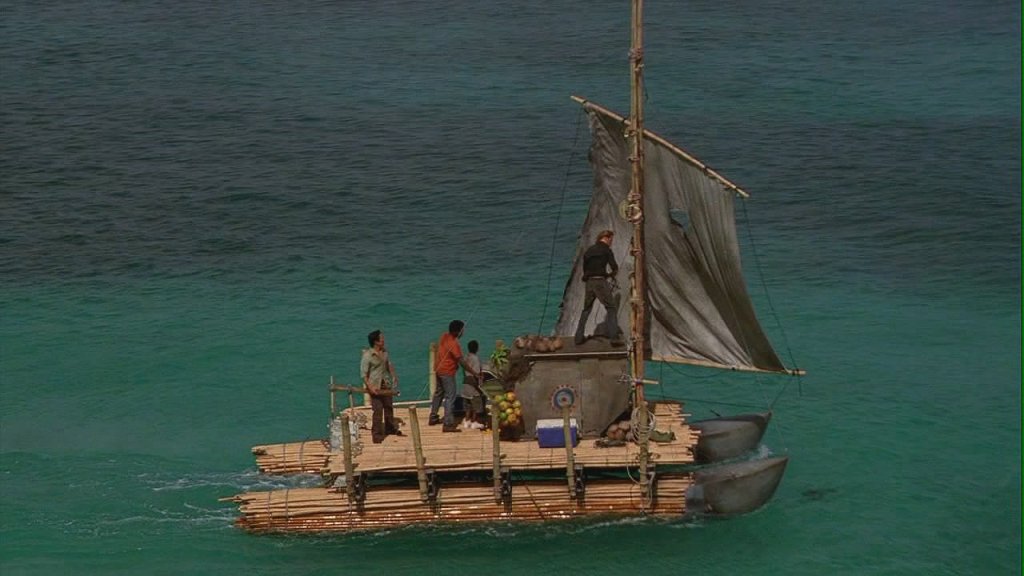
Few shows do season finales as well as Lost. These multi-part events were like mini-movies; a tradition which began with the first season’s Exodus. As Michael, Sawyer, Jin and Waaalt attempt to escape the island via raft, the rest of the gang try to open Locke’s hatch with dynamite. What follows is the most tense trek through the jungle since William Friedkin’s Sorcerer. Viewers would be left on tenterhooks with not one but two of the show’s cruelest cliffhangers. What is in the hatch? And what will become of poor Waaaaaalt?

3. Do No Harm (Season 1, Episode 20)

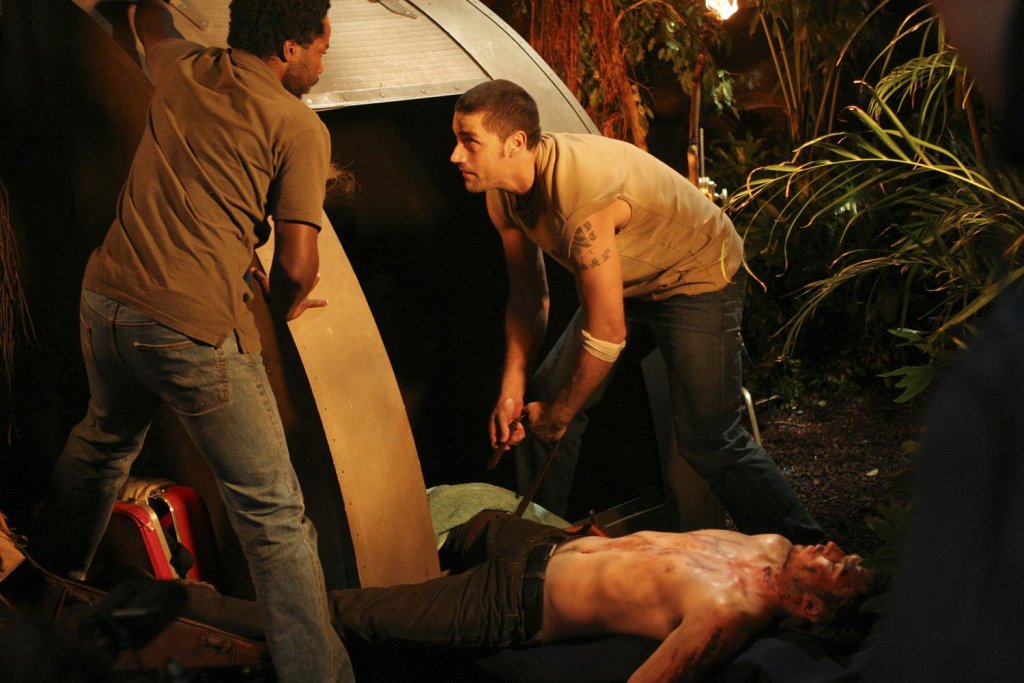
At this point, we had no idea what Lost’s long game was, nor how ruthless it could be. In Do No Harm, the show established its stakes. After falling from a cliff while rummaging about in a crashed aeroplane, Boone is grievously injured. While it would have been fun to see the character hobbling about the island on one leg, as was Jack’s original plan, he ultimately dies on the operating table – the island’s first serious casualty and major character death.

2. Walkabout (Season 1, Episode 4)

The first and best of the show’s many twists. Not only is it the first John Locke episode (always among the series’ best), but also blew viewers’ minds with a plot twist worthy of Shyamalan himself.

1. Pilot (Season 1, Episodes 1 & 2)

Starting at the very beginning, it’s easy to see how viewers became so quickly hooked onto the Lost formula. A plane crash on a desert island; a handsome doctor and a handful of enigmatic survivors; a dead pilot and a smoke monster. One of the most well-executed pilot episodes of all time, it plays its cards close to its chest, but slickly sets up its story and cast of characters, leaving viewers begging for more.

LOST seasons 1 – 6 are currently available to stream or buy on Prime Video.

CompTIA Network+ Certification Information You Need to Be a Winner

Nowadays, there are a lot of certification providers that you can choose from. No matter what vendor you prefer, you will certainly get some benefits. However, you still need to know that the provider you are choosing is in your best interest. Speaking of the top vendors in the world, you cannot forget about CompTIA A+ Certification Practice Test Questions – ExamCollection . It has a whole roster of certificates that you can pursue, for example, the Network+ credential that can take a worthy place on your resume. There is a lot that you need to know about this badge and here we will try to touch all the important details that you should understand.

As an IT professional, you should be very excited if you are planning to go for the CompTIA Network+ credential. During this time, you will not only learn new skills but also obtain the certification that offers great benefits. If you are still new to your career, earning this certificate will make it easier for you to find the best job. With this badge in hand, you will also be able to negotiate a Author: REECE Z .

CompTIA Network+ certification process

If you are thinking of going for the CompTIA Network+ certification, you should start with the basics. To obtain this sought-after badge, you first need to ace the N10-007 exam. This process can be difficult if you are not well prepared. This test consists of 90 questions that are a blend of multiple-choice and performance-based types. You can also meet drag and drop. The candidates will have to answer all of them within 90 minutes. Therefore, they will have to quickly attempt the questions and not waste extra time. German, English, and Japanese – the available languages for Author: FLETCHER A . The topics that you will have to cover in this test are as follows:

  • Network Operations
  • Networking Concepts
  • Network Security
  • Infrastructure
  • Author: ROBIN B

Once you explore all these objectives, it’s high time to register for your exam. Pearson VUE is here to help you with your registration process. The fee for this test is $329.

If you want to ace this certification exam with flying colors, it is important that you treat it just like any other test. This means that you have to spend as much time as possible studying all its topics. One thing that you don’t need to worry about is finding the best preparation materials. If you search a little, you will find many exam dumps that you can use during your study time. With this tool, you will get access to everything that you need to prepare for Author: SIDNEY C , including guides, training lectures, and more. Once you have studied all the objectives, you should evaluate your knowledge level with the help of practice tests.

Conclusion

Author: CHESTER D  has become one of the leading certification providers in the world and for good reason. So, if you are interested in building a career in something related to networking, you should take a closer look at the Network+ credential. Obtaining this certificate demands hard work, but in the end, everything will be in your favor.

Asy Saavedra | CHAOS CHAOS

asy

Along with her sister Chloe, musician Asy Saavedra forms the American synthpop duo, Chaos Chaos, and has been making music since her early teens. In recent years, Saavedra has become known for the inclusion of Chaos Chaos’ music in many of Justin Roiland’s projects, such as Rick and Morty. Her most recent project with Roiland is the score for his video game, Trover Saves the Universe. The game is a madcap romp through ‘a world of chaos, exploding bodies, and salty language’, but Saavedra’s score is alternately dreamy, epic, and joyously danceable. The musician has made reference to melding Ennio Morricone scores and K-pop, but the score for Trover also finds itself winding through the ethereal bops of artists like Grimes, as well.

You can get a glimpse of what this music looks and sounds like in the exclusive premiere of Hanging Out in the Sky, off the game’s soundtrack, which we are excited to share with you all, in addition to an interview with Asy Saavedra about how she came to work on the game and her creative process.


STARBURST: How did you originally come to do the music for Trover Saves the Universe? Was it because you’ve worked with Justin Roiland before – going all the way back to having Do You Feel It? on Rick and Morty?

Asy Saavedra: Yeah, it’s kind of a weird story and a weird situation that we ended up collaborating on so much stuff because it’s completely not an obvious like partnership in any way from the outside. He approached our band, Chaos Chaos, when we released our EP, Committed to the Crime, and he is a huge fan. I think it was right before Rick and Morty took off or something, but we didn’t even know who he was or anything about the show. I think one of us responded to him and were just like, “Oh, thank you so much for saying such nice stuff about the music.

He wanted to use the music in the show and then we did that and then the show like flew us out to play a premiere party and we kind of met them that way, and then just started talking more. He just asked us to do more things because he really liked our music and it worked with the show in a funny, ironic way, because our music was more emotional and deep or whatever. It worked because the show would be really funny and then have these really deep moments in it and it was kind of an awesome thing, so I think that’s sort of why it ended up working out in the show.

Then, when Justin would do some other personal projects, he started asking me to do some work. I had done like a bit of his VR game stuff in the past and then he asked me to do Trover, which was really, really awesome because that was definitely something that was out of my comfort zone – just doing that whole project. I was super excited that he asked me and I think, at that point, he’d worked with me enough to know that he wanted me to do the music and he was gonna allow me to just kind of go all-out with the creating of the sound and stuff.

He definitely had a lot of trust in the sound, which was cool, because he let me off the leash for just creating, which was awesome.


We read the piece you wrote for Talkhouse, How to Score a Video Game, and what I found really interesting is that you admitted that you’re not really that good at games.

Yeah, I’m fucking horrible. Video game music is actually really interesting because I just got into it.  I started studying it because I was like, “Oh, fuck: I need to research because I don’t know anything about game music,” and I was just realising that it’s its own thing and there’s this whole niche community that loves video game music. It’s just meditative and cool and I was like, “Wow, this is actually really cool, because I create stuff like this on my own that I just don’t use for anything, but it was natural to do it.

You bring up that that word ‘meditative’. Video game music has to be listenable even as it’s repetitive. What were the difficulties in trying to figure out how to make a piece that’s going to sound good if you’re stuck on a level for an hour?

That was kind of a hard thing to do because I guess it was easy for me to create music or – it wasn’t easy, but it was more intuitive – to create music that could kind of just go on and on in the background and like have slight changes, but then there was a point when I was creating stuff and Justin was like, “Oh, yeah – you know, all of the melodies have to be able to layer and de-layer with whatever action’s happening in the game.

It has to be this specific way of writing. so it all kind of fits into it, like a weird, Tetris way of thinking about music – and that was not how I normally think of music, so it was a bit hard at first, but it was actually fine. I just had to make sure that there were certain looping points that worked and that there could be these changes that would happen, but we’re never taking up too much space, because it has to be something that’s not going to distract the player in a bad way.

The music like has all of these different elements. There’s the single that you made the video for Hanging Out in the Sky, which is this very dreamy, vibey number but then there’s also stuff like The Man on Whom It Depends or the Battle things, which are full-on dance floor bops. Are you just sitting there, watching a game level play-through, where you get an idea and you’re just like, “This should be more dancey” or “This should sound like Swedish Blade Runner” or something like that?

I think, yeah, there were certain inspiration points I had. Everything was going to be done with synths and those kinds of instruments, for the most part, so I was listening a bit to the Blade Runner score, because it’s just super-emotional music, but it’s all synth, it sounds like it’s an orchestra or something. It’s so intense, and I felt like doing something that was just a bit over-the-top like that would be funny for Justin’s game.

I know that, with everything Justin does and the way that his characters are going to be, there’s always going to be a kind of ridiculous, really quirky element to it, so I wanted to kind of tap into that with the music and just have these really weird sounds, like these weird balloon sounds and just weird stuff. It doesn’t sound cool – it’s almost stupid-sounding, but just owning that and making it really bold was something I wanted to do. For The Man on Whom It Depends, that song was – I don’t know if it comes across at all, but I was trying to go for an Ennio Morricone vibe.

I love the fact that you name drop Ennio Morricone and Piero Piccolini, because those are both composers who made scores, which also stand on their own as listenable music. Did you also want this music to work as standalone music, not just as a score?

Definitely. I think it’s sort of impossible for me to make music that I don’t think of in that way, but I also wanted to make sure I wasn’t being too amateur about it. It was for the game, so that was the main priority but I just also wanted it to really almost be its own character or have its own persona that worked on its own, aside from the game.

You said ‘stupid but bold’, which I think can very much apply to a lot of the stuff that Justin Roiland has done but, going back to that Talkhouse interview – you put up some of the art that you consumed that helped you build the musical world for Trover. One of the things you put up there is The Moomins, which is a very great example: the music for that, as well as the show itself, is stupid but bold.

Yeah, I have a lot of respect for that kind of stuff and I think Justin definitely tapped into that. I think I’ve been tapping into that with my music, too, so it wasn’t something that felt forced. I was like, “You know, I kind of already like this type of stuff. I’m just going to try to absorb it even more and channel it into this,” and then I definitely was really inspired by a lot of visual stuff because, obviously, the game is visual. It was just more a part of the creative process, for me. I’m already a pretty visual person, but I tapped into that even more for the game. It really helped a lot

The video for Hanging Out in the Sky is fascinating in that it’s a music video for a piece from a video game, but there’s no video game footage in it. I know you wanted to show people a different kind of live performance, but were you trying to tie it into the game or make it stand apart?

I kind of knew that I couldn’t really create that game world, obviously, unless I like actually did some weird VR video thing – which actually would have been cool – but I thought it would be kind of interesting, just because I’m really a musician and composer and I was thinking that it would be interesting to show people soundtracks and that kind of stuff in a live setting.

I just felt, for this specific soundtrack, it would be cool to show it live. I just happened to be in the desert in that area and at first, I didn’t really want it to be a Joshua Tree kind of vibe. I wanted it to just feel otherworldly and weird, but I realised that there was no avoiding Joshua trees in that area. Hopefully, it has a weird vibe that’s not just a Coachella vibe or something like that.

Not at all Coachella. The crazy thing about the video is that, when it zooms out and does that wrap-around thing, it’s like very much a Little Prince thing where it’s like you’re on a very tiny planet of your own – which, I guess, is another tie-in to Rick and Morty.

I definitely liked that that vibe because I just want this to feel like its own world, so that’s good that that came across.

The score for Trover Saves the Universe is getting put out on vinyl by Mondo who are one the premier purveyors of vinyl soundtracks. Are you excited to be joining that cadre of people?

I’m definitely excited about it. I love Mondo and it’s just so cool that they do all these soundtracks and I’ve always been listening to soundtracks and to that kind of music. It’s super-inspiring to me, so it’s really humbling to be able to release something in that kind of category. I really love Mondo – everyone there is awesome and also, I’m pretty excited to do vinyl, because we haven’t done any vinyl as Chaos Chaos and I haven’t done any on my own. This is my first solo recording release thing, so I’m definitely really excited for that. I hope people buy it.

Weirdly, everything with the release sort of lined up perfectly with this horrible time that we’re in because vinyl is getting huge right now. Everyone is stuck in the virtual world and I think that’s why they’re really obsessed with old-fashioned stuff that is not virtual, you know?

The score for Trover Saves the Universe will be available on September 25th on vinyl and digitally via Mondo. You can pre-order that here.

Main image by CHARLOTTE RUTHERFORD.

Tim Sheridan | SUPERMAN: MAN OF TOMORROW

man of tomorrow

SUPERMAN: MAN OF TOMORROW is the first film set in the second incarnation of the DC Animated Movie Universe, and chronicles Clark Kent’s life in Metropolis before he became known as Superman. The major players are all present, from Lois Lane (Alexandra Daddario) and Lex Luthor (Zachary Quinto) to Lobo (Ryan Hurst) and Parasite (Brett Dalton), and led by Darren Criss as the man himself in this refreshingly optimistic return to Superman’s origins. STARBURST spoke with screenwriter TIM SHERIDAN, best known for his work on the upcoming Masters of the Universe: Revelation and Reign of the Supermen, about the original Kryptonian…

STARBURST: How’s it going?

Tim Sheridan: I’m great. I have a movie out!

Yes, congratulations! And one returning to the optimism of Superman’s roots, which is very much welcome right now.

I know, it’s a weird time for sure.

What’s cool is that Man of Tomorrow delves into a time in Clark Kent’s life that’s not often explored. What attracted you to that period?

Early on, when producers Butch Lukic and James Krieg and I all got together, we talked about where we wanted to set this story. And we knew early on that this wasn’t going to be an Act I story exploring his life in Smallville, but that we’d look at his early days in Metropolis. Once we’d nailed that down, we knew that his start in Metropolis was a part of his story that we don’t see depicted on screen a lot, or in media much at all. Then, if it’s the early days of Superman when he’s playing at being grown-up… like that time when you leave University and get your first apartment, you’re paying your bills and you’re doing all the grown-up stuff but you still feel like you’re playing a role, until one day you realise, ‘Oh, this is actually all this is’. That’s the time we wanted to focus on, that’s when the idea of him being the Man of Tomorrow really clicked for us. That wasn’t the title in the beginning, and it was only through that process that we understood we were telling the story of the man Clark was going to become, and the kind of person we all aspire to become. It’s also why Lobo appears: he represents an outmoded way of being a man, while Superman represents something better that we can aspire towards.

And that’s pretty different from one of the most prominent versions of Superman right now, which is the DCEU Superman played by Henry Cavill and which is much darker. Did that influence you to bring back the optimism of Clark Kent’s early days?

You know, I’m a guy who thinks that this great, big, beautiful multiverse has room for every possible take on all these characters, Superman included, and I love all that we see onscreen nowadays. It’s different from the stories I tell, but I think there’s room for all of it. I like it all! I like the darker stories, and I like the more optimistic, upbeat stories. In terms of this film, we knew that this was after Justice League Dark: Apokolips War and we were trying to switch the tone a bit. That movie deals with some really dark, cataclysmic stuff that’s absolutely beautiful, but if you’re going to switch it up, you want a Superman story with some optimism and, again, because of where he is in life at that point, it’s all about looking to the future and it’s inherently optimistic about the future. That’s the story we wanted to tell, but I absolutely think there’s room for all stories.

What source materials did you draw from when writing the screenplay?

Well, one of the first things that we talked about was the hope and optimism of the original Richard Donner movie. We took a cue from that and then I reread Superman: Birthright, and there are some significant mythological pulls from different books too that inspire Easter eggs throughout. There’s also stuff I looked at thematically: Alan Moore’s story Superman: Whatever Happened to the Man of Tomorrow? is a classic, and anyone wanting to embark on Superman projects should read that story. A lot has also been said about American Alien, because people have gotten the mistaken impression that we based this movie on it. And sure, it’s one of the many books we looked at, but I think people see that we used Lobo and Parasite and immediately assume that we did American Alien. Yet the truth is that Lobo and Parasite have always been major foils for Superman, and that’s why they’re in our movie. Superman has a very long history and I hope that you’ll see bits and pieces of it in the DNA of Man of Tomorrow.

As one of the oldest superheroes, what do you think it is about Superman that has invited so many reinterpretations over the decades?

I can only speak for myself, but I’ve always looked at Superman as the incarnation of the best of humanity – which of course is ironic since he’s not technically human. What we try to explore in this movie is the question of what it means to be human; what does it mean for someone from a faraway planet to be the most human character of all? I think Superman will always represent hope, and that’s the reason the character has endured.

It’s funny because Parasite is originally human, yet the people of Metropolis label him as alien before ever considering who Superman might be.

You know, it was very important to me that this story be about feeling like an outsider. And even Superman feels like he’s on the outside looking in, which is really a universal feeling we all experience at some point. To hear Superman struggle with that same thing, and to know from his history that he overcomes those feelings and rises above them, I think that is the hope which he encapsulates.

SUPERMAN: MAN OF TOMORROW is released on Blu-ray, DVD, and Digital Download from September 7th

Best Movies Based On Video Games

The crossover of video games into a film (or shows) has been a sore subject for both gamers and movie fans because it’s rarely successful. Supporters have had to keep their hopes low in order to be even a little bit satisfied by the results, but there are some entertaining films you can watch.

It’s mystifying, that translating video games into movies has proven so difficult, considering the best games usually rely on great stories. It might be that gamers are often used to driving the story, or that the filmmakers are not very familiar with the dynamic of the game, that makes it so hard, whatever it is there certainly a lot of improvement to be made.

Check out a few of the films that actually work in turning video games into cinema:

Lara Croft: Tomb Raider


It has it all: Angelina Jolie, action and humor. This was truly a great adaptation of the game, it showed most of what fans wanted to see; fighting, adventures, a lot of jokes, and a nice twist.  Jolie could have been a bit of gamble casting decision but she sells you the whole package, you end up believing she can do it all; excavate for relics, be back home in time to cash on the latest casino bonuses in UK, and charm all the bad guys.

The Resident Evil Franchise


This series of six films, some better than others, is one of the best-realized video games to film projects ever, not only is it a great representation of its genre, it also revitalized the zombie theme. Plus, it’s one of the pioneers of the female hero-centric narrative, making Milla Jovovich’s Alice the driving force behind it all.

Even though the story is a bit different from the actual video game, it’s only minimal changes and the films are entertaining, action-packed, also you actually care for the characters, definitely worth a watch.

Tomb Raider


Special mention also to the reboot version with Alicia Vikander, it doesn’t quite stand up to the original, but a great film in its genre.

Mortal Kombat


One of the biggest classics in the video game movie genre, and one of the film industries’ first attempt to combine both. The visual effects are not really anything to die for, but the concept is executed to perfection: fights scenes are well done, acting is acceptable, and it’s just plain fun! A recommended watch for sure.

Sonic The Hedgehog


This one of the most recent video game movies on this list, so the graphic will surely impress you, but it also takes itself much less seriously than other gamer films. Its additionally one of the most family-friendly out there, Sonic The Hedgehog has the right amount of humor, heart, and silliness; it also has Jim Carrey and James Marsden. A great watch for a good time with the whole family.

Other Notable Mentions


Super Mario Bros (1993)

Street Fighter (1994)

Doom (2005)


These three movies are filled with good times, and action; the best part is they mostly stay true to the spirit of the original video games and didn’t try to make the films into something they are not; entertaining and light.

Michael Caissie | HUNTER’S MOON

Michael Caissie

To celebrate the UK release of new horror, Hunter’s Moon, we spoke to writer, director, and producer Michael Caissie about his directorial debut, what’s coming next, and his advice for new writers and filmmakers.

In Hunter’s Moon, three girls throw a party in their new country home when their parents leave town. After a group of dangerous local hoodlums show up, the women are forced to defend themselves from a predator, as well as a mysterious evil lurking in the orchard outside!

Caissie himself penned the Al Pacino thriller Hangman, and Hunter’s Moon stars Thomas Jane (The Punisher, Deep Blue Sea), Sean Patrick Flanery (TV’s Dexter, The Boondock Saints), Katrina Bowden (TV’s 30 Rock, The Bold and the Beautiful) and genre favourite Amanda Wyss (A Nightmare on Elm Street, TV’s Highlander).

STARBURST: How did the idea for Hunter’s Moon come to you?

Michael Caissie: I see it as a female empowerment movie. I was raised by my mother and grandmother and all the women I know are strong. I don’t like seeing weak women on screen, and I try to write strong female characters in all my stories.

Back when I wrote the script, I was running restaurants in Los Angeles, working ridiculous hours, with no free time to write. However, my script for Hangman was optioned so my wife and I talked about it and we took a leap of faith and I quit the day job. I decided to invest the same hours into writing that I had done for my job. I wrote script after script, blasting out first drafts in seven days, and out of that process one of the scripts was Hunter’s Moon, originally named The Orchard.

After developing it with my other producers, Christopher Sherman, Clayton Turnage and exec producer Arnold Rifkin, who is a huge mentor for me, I felt it would be a great first-time directing project. However, after a few months of hitting hurdles with financing and other issues, we decided to just go and make it our way. It would be harder, but it would be made on our terms. Fortunately, we still had financing in place.

What was the experience on set?

We started filming in Kentucky and were shooting back in 2017. The plan was to shoot what we could and cut a pitch trailer to show the production value. In that process we also ended up re-casting the sheriff role (which went to Thomas Jane) and when we totally finished filming, back in LA, the majority of the scenes had been re-shot.

It was a great, hugely educational experience but it was hard work at times. Even though it was quite a long process, the cast got to know each other really well and grew as a family unit, so it helped the film. The main family, played by Jay Mohr and Amanda Wyss as mom and dad, bonded a lot with their daughters, Katrina Bowden, Emmalee Parker and India Ennenga. That was an unforeseen benefit from having all that extra time.

Can you talk about the werewolf?

I didn’t want to push it too much within the film, and it’s a bit of a spoiler. In my mind, he’s one element in the story but not the main focus. However, the biggest inspiration for the werewolf was Jaws. I didn’t want to show much of the creature, which I know was a random thing for them since they didn’t want to show their mechanical shark. As we know today, that strategy turned out to be so iconic. So, while I’m not comparing my movie to Jaws, I really loved using that idea to show less and build tension. Our effects guru, Vincent J. Guastini, recommended a great stunt performer called Lucky who walks on stilts. So, we had him in the movie wearing the werewolf suit, all made practically with no CGI, and the werewolf stands 9 feet tall! It’s pretty cool and old school.

How do you develop new ideas, especially in horror, sci-fi, etc?

I’ve had a relationship over the years with a website called InkTip which is a platform for writers, where writers post their work and producers can connect with them. Recently, I was telling them what I was looking for, as a producer, and wanted something more skeletal which we could work on when it’s safe to do so.

One night I was up late, and it hit me, instead of trying to do just one movie, why not help shepherd multiple projects? My friend Clayton Turnage and I talked about a creative co-op where we pair five filmmakers with five up-and-coming writers on InkTip, we produce the five projects and I’ll direct one. I know a lot of filmmakers and know how much of a struggle it is in the indie world, no matter what genre you’re doing.

We’ve found some great filmmakers now, so we’ve just been working on budgets, schedules and putting together packages for financiers and distributors, with a goal of being ready to shoot once we’re able to get back to work.  One big inspiration was to make the process fun for filmmakers and the way I wish it had been for me as a writer early in my career, because I’ve got horror stories – and not in a good way! The co-op aspect means we’re each bringing our experience to the table and helping each other.

For another creative outlet, I always wanted to write a novel and I have a screenplay that lends itself to that, so I’ve been adapting that which has taken up most of my writing time. I think if you’re any kind of creative, you just need to work at your craft. That’s my biggest advice.

What’s coming next?

Before the pandemic, I was in Armenia filming a new TV show called Purgatory with Clayton Turnage. I wrote 16 episodes and was co-directing but we had to stop half-way, so we’ve turned it into two seasons of eight episodes in order to get our first eight episodes out. We’ll go back to finish season two. The first season of Purgatory is streaming now on Popstar! TV which is available online and on Apple TV and Amazon Fire TV Stick. Hopefully people will enjoy checking that out.

A script I wrote even before Hunter’s Moon also got bought and made into a movie called Sin Origen and translated into Spanish. Rigoberto Castañeda is a cool horror director from Mexico and that’s supposed to be coming out in a few months, so people can look out for that. It’s about vampires whereas Hunter’s Moon is obviously about werewolves, so it’s fun to play with those conventions.

I love horror and I’m a lifelong fan. Stephen King is one of my heroes. In Hunter’s Moon, we wanted to create something fun, and even if you guess the twist, it doesn’t really matter. I just hope people have fun with it!

Dazzler Media presents Hunter’s Moon out now on DVD & Digital Download

Amy Seimetz | SHE DIES TOMORROW

amy tomorrow

Writer/director AMY SEIMETZ has been making genre films as an actor and director for several years now, but her latest, SHE DIES TOMORROW, is a massive leap forward. The indie film sees a slow contagion begin to spread out from a woman named Amy (Kate Lyn Sheil), who might be suffering a relapse into alcoholism or actually becoming cognizant of the fact that she will, in fact, die the next day. As the idea takes hold in Amy’s mind, she begins voicing it aloud, and it starts spreading out among her friends. Watching the contagion take root in the minds of everyone in the film is quiet, but nothing less than paralysingly terrifying. We spoke by phone with Seimetz about her process of writing and directing this stellar film.

STARBURST: We talked to you last year ahead of the release of Pet Sematary, and one of the things that you had said, regarding directing, was that it’s very important to have a grounded and emotional experience in horror. Was the reason so many people on She Dies Tomorrow were ones with whom you’ve worked before due to wanting to have a small and honest performance from every actor?

Amy Seimetz: Yeah, the reason I work with all of them so much is because – well, they’re great, but also we have throughout the years developed a shorthand. And that’s not just with the cast but with my cinematographer Jay Keitel. He and I have known each other for 17 years so, when you have that shorthand and that base of friendship and then also, collaboration over the years, you can go much deeper, in a way. There are a lot of things that you can reach or you can execute without having to say too many words. You have this trust and this understanding with these people that really get you on an intrinsic level. It’s almost like you don’t have to really over-direct them.

There’s a level of acceptance in all of the characters in this film. What led you to go with that? Jane (played by Jane Adams) is essentially the only character who really has a super freak out about this. Everybody else seems to be very accepting of their situation.

I guess we’ve already seen the apocalypse movie where everyone’s running from it. There’s this really great story by Ray Bradbury [The Last Night of the World]. It’s just a short short story in Esquire, and it’s about this couple who both realised that they had a dream that the end of the world is coming and they don’t really do anything but make tea and go to bed. What’s weird is that I had read that when I was younger and it wasn’t until we were well into the middle of shooting that my assistant, Alex, was like, “This reminds me of this short story.”

I reread it and I was like, “I have read this before and it’s somehow stuck in my subconscious.” It’s so overwhelming, you know – that feeling that I was trying to like have them express is that there is no arguing. It’s just a fact to them. The feeling is so overwhelming that it’s just become effectively like there is no argument of the feeling. It’s just going to happen. There is no fighting it. Once it comes, it’s like, “This is just a fact. There’s no refuting it. We can’t run from it. No matter where we are, even if we run, we might run and get hit by a car. It doesn’t matter.” It’s not the how: it’s just going to happen.
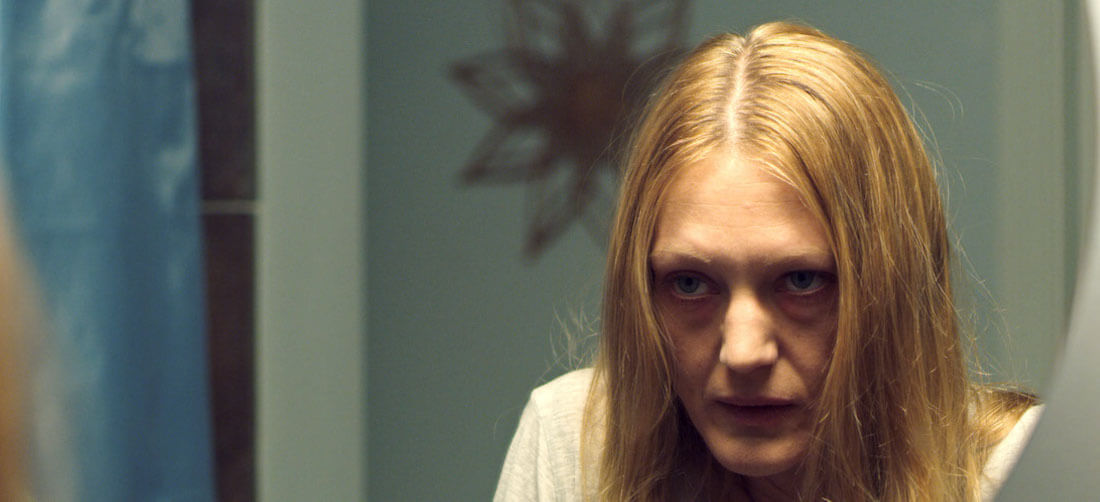
Jane has the hit her own freak out because she’s just trying to connect to people that understand the feeling and she wants to be with people that understand the feeling and then, with Katie Aselton – who plays Susan – her response is to blame Jane, as opposed to completely accepting it. It’s like, “We need to we need to blame Jane. It’s Jane’s fault.” Which happens a lot, in fact.

I feel like I’ve really responded to that Ray Bradbury story but, also – again, I forgot I had read that until well into shooting and I was like, “Oh good. If it’s good enough for Ray Bradbury, then it’ll be great for a movie,” because there is the temptation, if you’re making something like this – a contagious movie or apocalypse movie – to really push it into territory that you’ve seen before. I just was interested in watching, in a darkly comedic way, what if everyone’s kind of failing at having their last day, in a way?

It’s interesting you say that because it feels like the performances are so much more honest, because it’s things that hadn’t been in film before, but it’s things that are seen in real life. When people accept that something is over, their false front drops and there’s just this honesty. The conversation between Tilly (Jennifer Kim) and Brian (Tunde Adebimpe) is just refreshingly honest, while at the same time being absolutely brutal.

Oh, god, yeah. I want to say that was completely made up, but somebody actually said that to me when my dad died and I actually – this is really fucked up – I actually really appreciated it when he said to me, “I was waiting to break up with you until your dad died.” If you haven’t gone through it, on the surface it sounds so cruel, but it actually was telling me, “I know that you felt that this relationship was bad for a while, but like I was trying to be nice and not bring it up.” It was actually kind of kind.
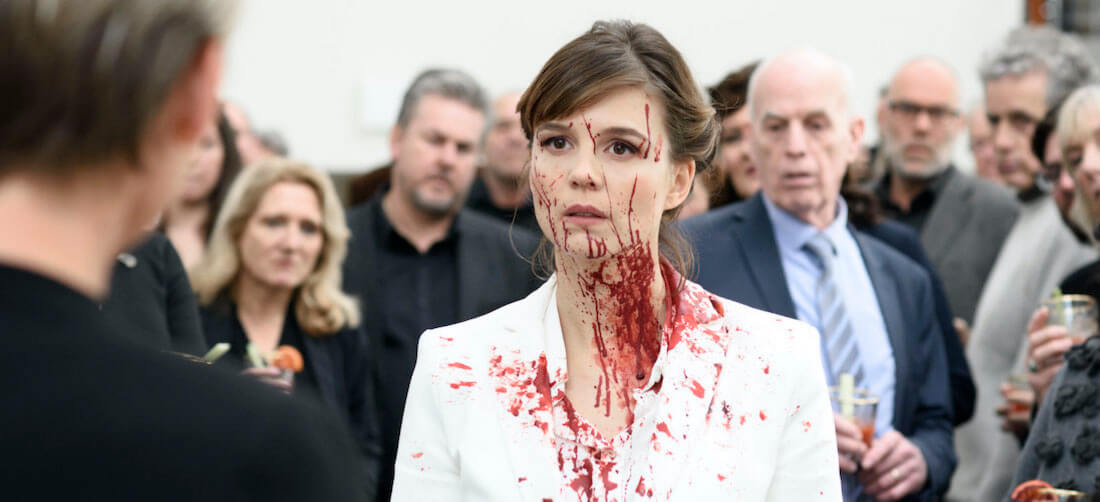
Exactly. They were being honest but they weren’t being unnecessarily cruel.

Right? It would be different if it was like, “You’re a nightmare. I’m glad your dad’s dead” or something but it’s not what it was. It was like, “Now, we can breathe. Now, it’s time.”

Considering the use of sound and colour in the film, it seems as though ‘psychedelic’ is getting thrown around a lot regarding the light seen by the characters as they become infected, as well as the photographs that Jane takes of the bacteria under the microscope. Where did you pull this idea of using color for communication? It seems like light and color and flashing lights does seem very Close Encounters but where did you pull it from, particularly?

There is a little bit of that way otherworldly: whether it’s being abducted by aliens and being implanted with this knowledge, being probed with light, but also just based off of people having near-death experiences and trying to express visually – and sonically, with the sound design – what would that feel like, to be flooded with every single emotion.

The performances and what the actors are doing – I never said, “It’s purely fear.” While they’re so scared, what I wanted them to perform and they did a fantastic job doing is there’s a curiosity to the feeling. There’s a sadness. There’s an elation. There’s these ecstatic, really conflicting emotions that they’re feeling, so trying to reach that ecstatic state with the flashing colours was overwhelming the senses in the best way I could for a movie, because I only have sight and sound. If I had smell-o-vision, I don’t know, but they say people smell burnt toast when they’re having a stroke?

But, yeah: just trying to reach what I interpreted from reading near-death experiences or also physiologically what happens to the body, which is your body – when you die – it’s flooded with all of your hormones right. I wanted to think about how wild that would feel: it’s your serotonin, of course, and then they have this theory that DMT gets released from your perineal glands in mass quantities when you die, so it’s like all of the hormones essentially being released.
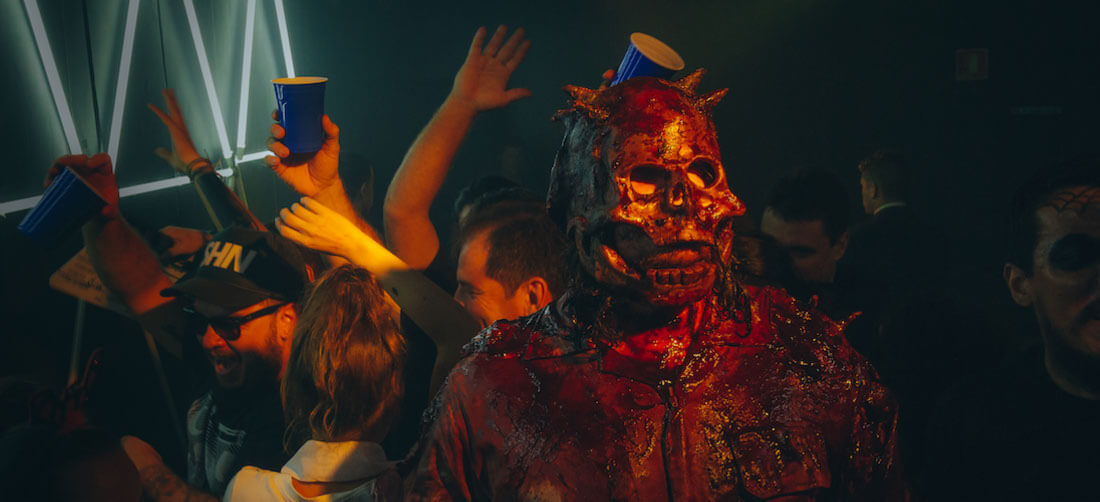
What would that look like? What would that sound like to you? What would it feel like to you?

Speaking of sound, was the Lacrimosa movement from Mozart’s Requiem that Amy listens to – where she’s just lifting the needle up and dropping it back down again at the beginning of that record – was that written into the script?

I wrote it into the script and I wanted to keep it. I wanted it so bad that I filmed it live with her listening to it, but then I had the Mondo Boys cover it and we replaced it, but I always wanted that. I double-checked and knew that we could get it if we covered it. That was the song that I was listening to over and over and over again, thinking that I’d go through some sort of metamorphosis and realise like, “Oh, I’m not scared of death anymore, because Mozart confronted it.”

I guess you could say in some ways, this would be my Requiem, but I didn’t really approach it that way. At the same time, I think it’s a fascinating sort of endeavour to really confront your own death with composers but then also just in writing. Johnny Cash had all those cover albums that he came out with. That, to me, would be a requiem.

The other song that I thought maybe would go in there, but it’s too sentimental and not the right thing, was Claire de Lune, which I listen to be really indulgent. Obviously, because the movie is confronting death or my way of confronting death in some way, I was like, “Oh, yes: this is perfect for this movie,” and also just the relationship of wanting to be so indulgent, too. I find myself doing that. Where, when I’m feeling sad – and everyone does this – I just want to listen to really sad music or really dramatic music.

Blue Finch Film Releasing presents SHE DIES TOMORROW on Curzon Home Cinema, BFI Player, and Digital Download on August 28th. Read our review here.

FIVE FILMS NOT TO MISS AT FRIGHTFEST 2020

frighfest five

Arrow Video FrightFest Digital Edition takes place between August 28th and 31st, and is accessible to anyone in the UK. While we might miss the social aspect, there are still plenty of films, shorts, and panels to enjoy from the comfort of your own crypt… err… home.

Here are STARBURST’s hot picks – the movies you shouldn’t miss:

THEY’RE OUTSIDE (WORLD PREMIERE)

Screening as part of the ‘First Blood’ strain, this mock-doc is directed by Airell Anthony Hayles and Sam Casserly and stars Tom Clayon-Wheatley as Max, a YouTube psychologist who is determined to cure agoraphobic Sam (Chrissy Randall). A glorious pagan nightmare featuring genre legends Emily Booth and Nicholas Vince. Horror Channel Screen, 7pm, August 29th.

THE HORROR CROWD (WORLD PREMIERE)

This enlightening documentary, directed by Ruben Pla (who you might recognise from films such as Insidious) chats to his friends – filmmakers, producers, and actors – about what it means to be part of the horror community, and more. Genuinely engaging. Arrow Video Screen, 3pm, August 29th.

THE SWERVE (UK Premiere)

The debut feature from Dean Kapsalis is a disturbing insight into one woman’s descent into deep depression. It might not be a barrel of laughs, but it’s a film that will stay with you for a long time. Horror Channel Screen, 7pm, August 31st.

THE COLUMNIST (UK Premiere)

Directed by Ivo van Aart, this fabulous Dutch comedy horror has a newspaper writer and author take matters into her own hands when cyber bulling and offensive Twitter comments get too much. Katja Herbers (Westword) is superb as the beleaguered writer tracking down those who taunt her – and finds she gets inspiration from the deeds! Arrow Video Screen, 12pm August 29th.

SKULL: THE MASK (UK Premiere)

This Brazilian bloodbath concerns an ancient artefact that drives the wearer to kill and collect hearts. Boasting impressive, almost non-stop gore and brilliant choreographed fight scenes, it’s a mix between slasher and giallo with just a smidge of Indiana Jones.  Arrow Video Screen, 12pm August 30th.

Tickets for individual films and full festival passes are available here: https://frightfest.co.uk/2020FilmsDigitalEdition/tickets.html