Australian writer-director Luke Sparke is nothing if not both ambitious and prolific. His string of low-budget, high-concept independent sci-fi horror films put many better-budgeted Hollywood releases to shame, visually at least.
His upcoming $10 million dinosaur adventure Primitive War has all the visceral, primeval savagery and spectacle that will forever elude the family-friendly Jurassic films. His alien invasion movies Occupation and Occupation: Rainfall made up for the deficiencies in their scripts by delivering big, bombastic action sequences and hugely imaginative creature designs. 2024’s Scurry dials things down a bit but is no less visually impressive, and Sparke returns to his familiar ‘invasion’ theme with a slightly more nuanced and intimate affair that sees the world coming under attack (largely off-screen) by creatures from below the surface of the planet.
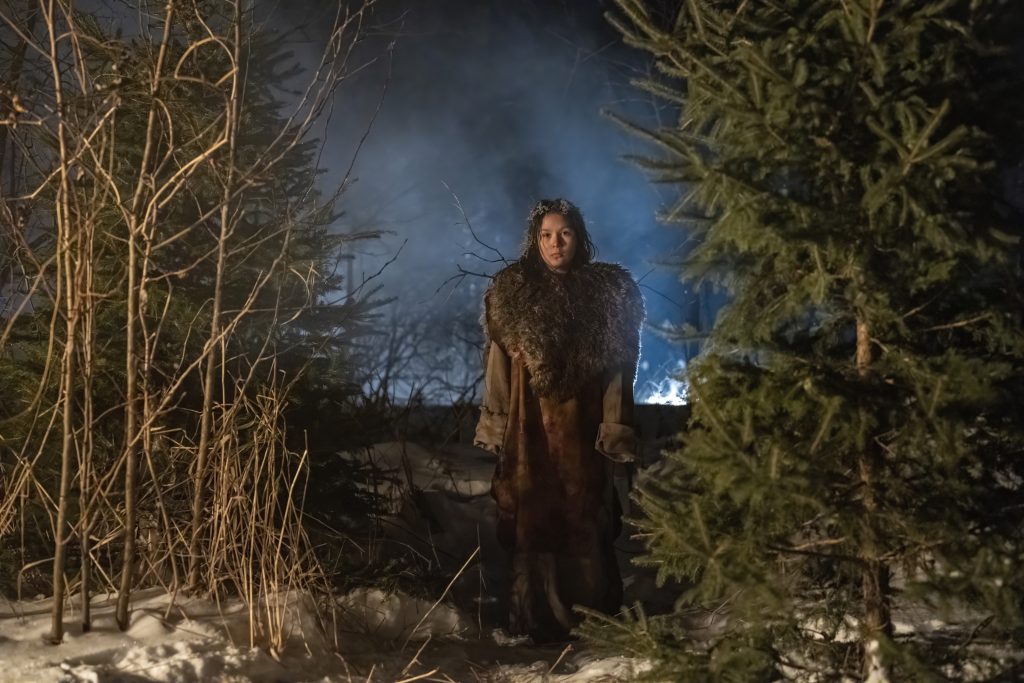
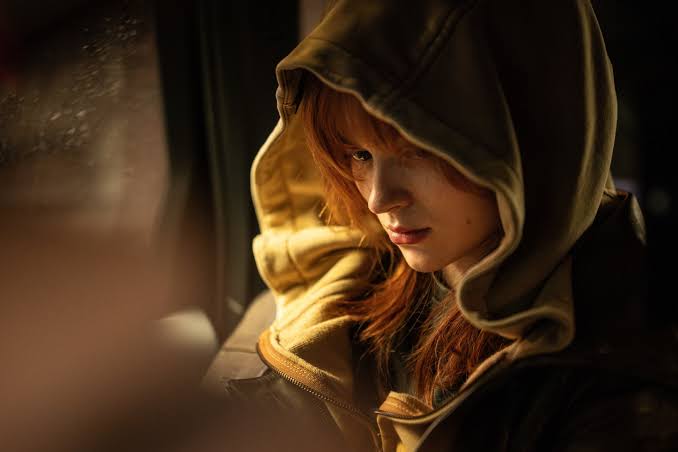
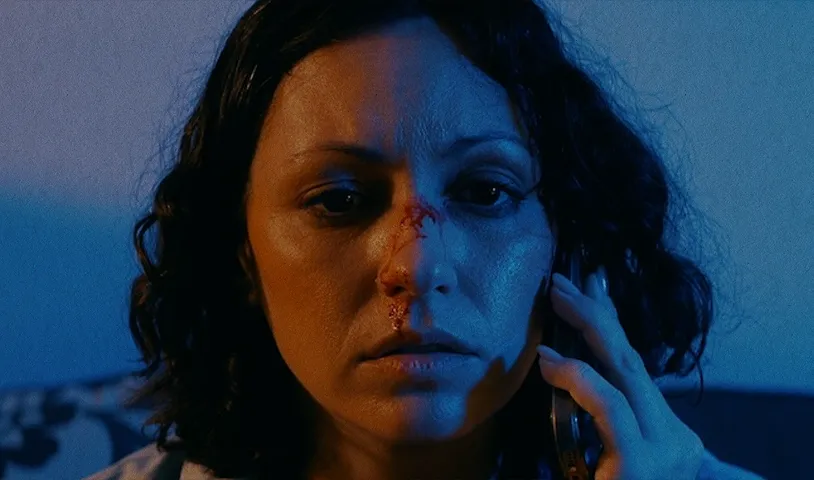
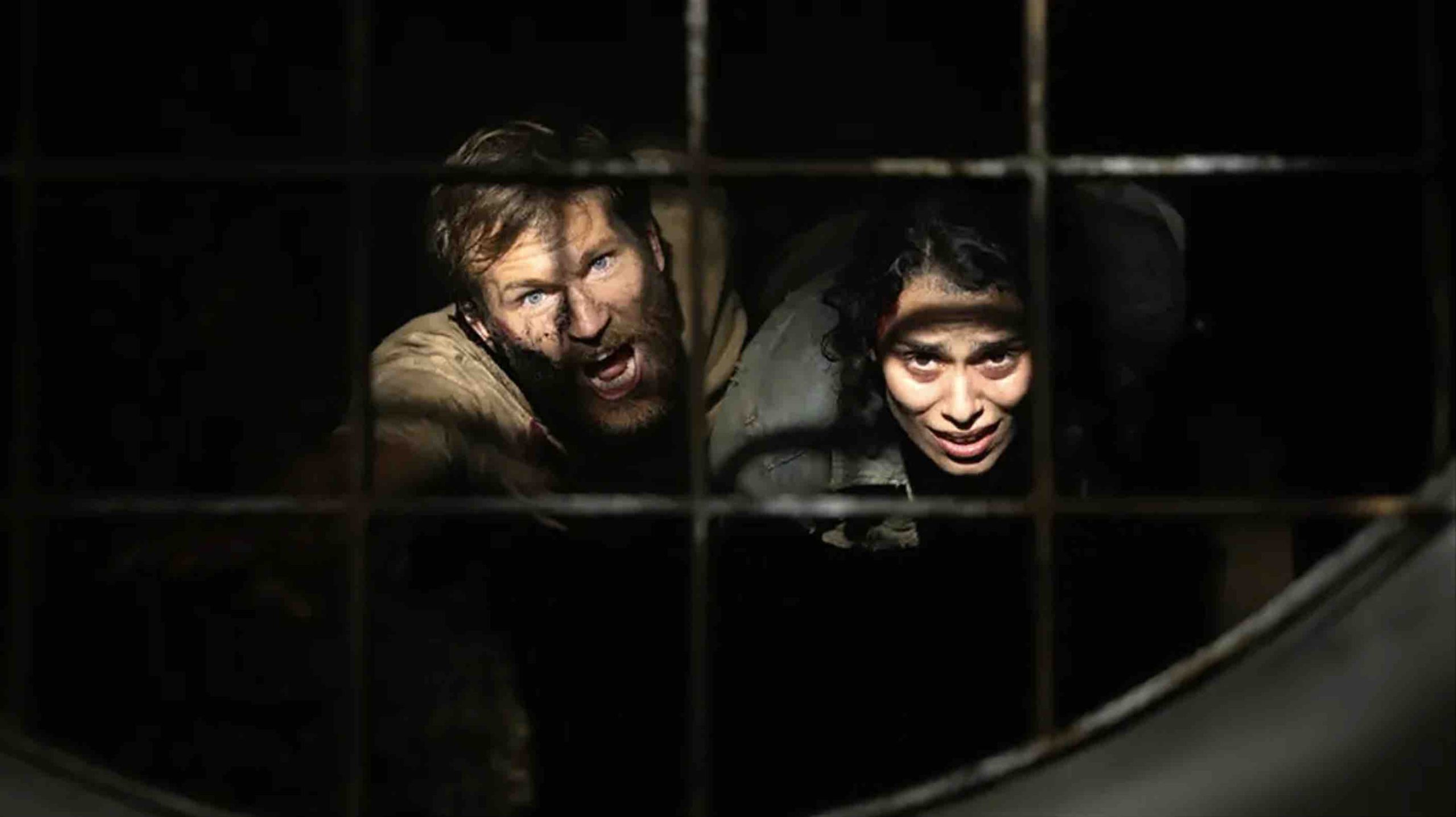
Scurry (not to be confused with the upcoming British horror The Scurry about an attack by killer squirrels… sounds nuts!) is the told-in-real-time story of Mark (Jamie Costa… insert your own coffee-based jokes, please) and Kate (Emalia), two strangers who find themselves trapped underground with little to no resources as something catastrophic unfolds on the surface. Mark is a family man, injured in what at first appears to be an earthquake but is clearly something rather worse. Kate is a thief with a formidable survival instinct.
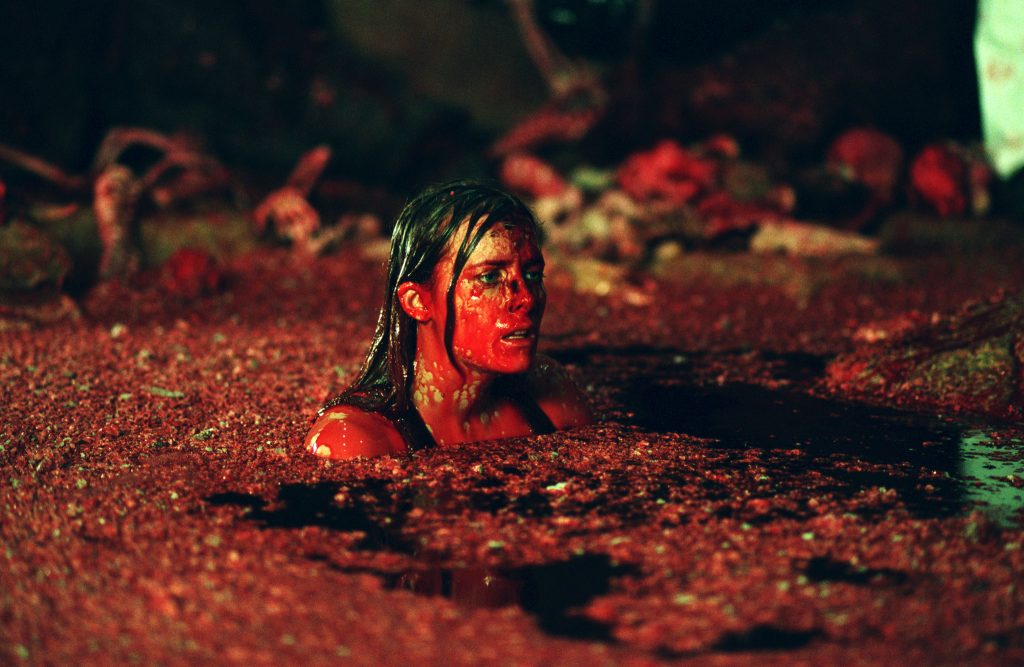
This unlikely pair find themselves forced to work together, worming their way through a network of increasingly cramped tunnels in search of a way back to the surface. They soon become aware that they’re not alone; skittering predatory arachnid creatures – part beetle, part spider – are never far away, and the pair endure a number of nail-biting encounters with these monstrosities, most notably in one sequence where a near-rescue turns into a bloody massacre.
Scurry is pretty much a two-hander, and it’s often a big ask to expect audiences to fully invest in a story driven by just two characters, especially when they’re trapped in a dingy, claustrophobic environment. Sparke just about pulls it off though, thanks to a more sympathetic running time than many of his other slightly over-bloated features and by managing to turn the environment itself into a third player in the narrative, a situation that’s bad and challenging enough without throwing rampaging spider-beetles into the mix.
The creatures themselves appear sparingly and fleetingly, which adds to their menace, but despite the potentially gripping scenario, the film’s limitations lead it into some dead-ends. Its third act, where it should become more propulsive and climactic, is a little sluggish and underpowered. Kudos though, for a terrific final scene which reveals the true extent of the horror above ground.
Ultimately, Scurry suggests that Luke Sparke’s career is still a work-in-progress, but when he can marry a really great script to his already extraordinary visual sensibilities, he’s likely to finally be recognised as an exciting and dynamic talent in genre filmmaking.

SCURRY is available digitally in the US and will be available in the UK shortly.