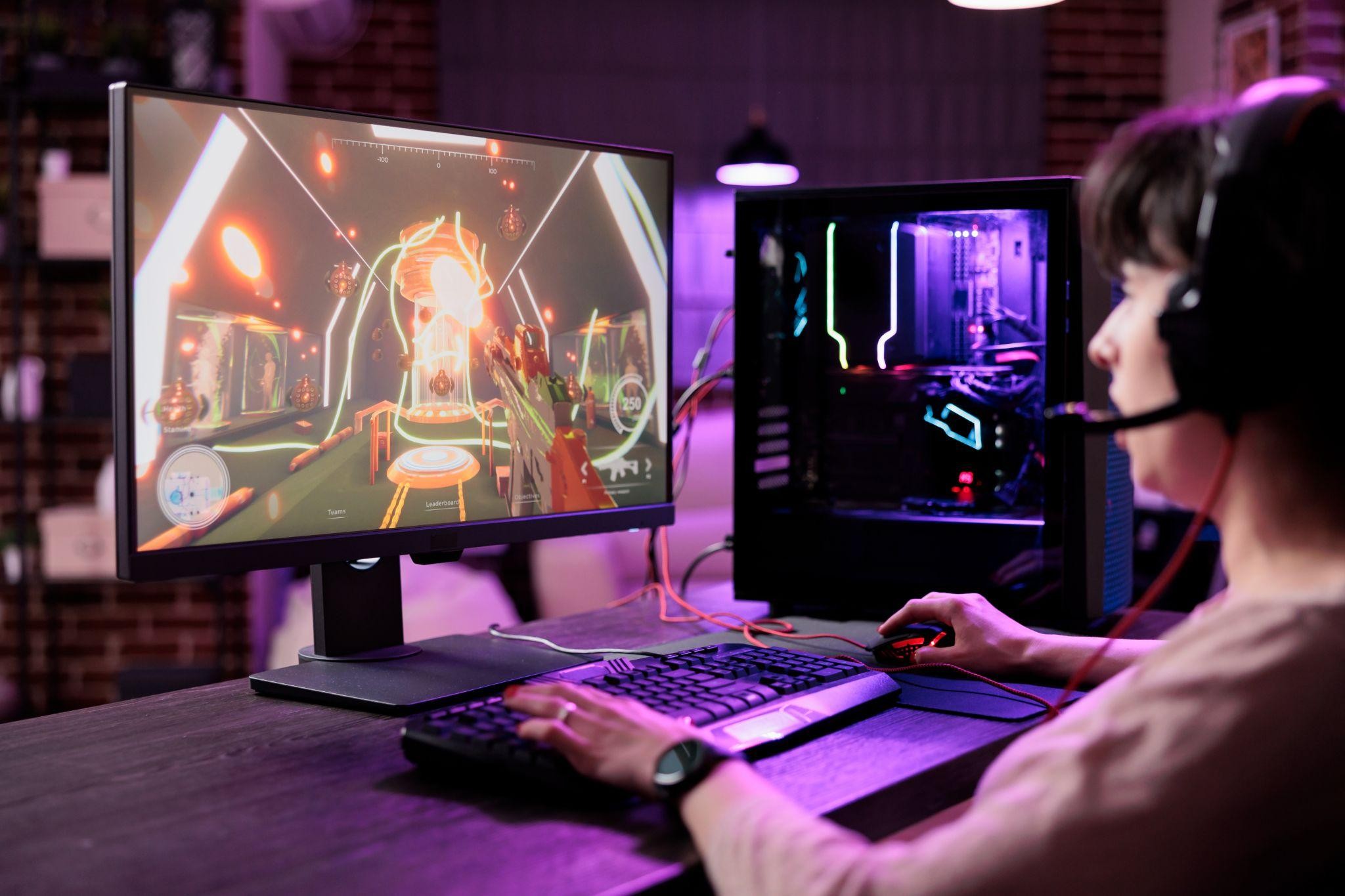
The best portion of a game isn’t always the tale you were expected to follow. It is the thing you almost ignored. A card game in a tavern. A side activity you tried once and then never really left. Plenty of players have booted up a massive RPG only to spend most of their time doing something completely optional. That is not bad design. It is actually a sign that developers got something very right. Mini games work because they cut straight to the fun. No long build-up, no heavy commitment. Just a clear goal and a quick reward.
Why Mini Games Often Outshine the Main Story
Main campaigns can feel like work sometimes. You follow objectives, sit through dialogue, and slowly move forward. Mini games do the opposite. They throw you in and let you get going straight away. They are also easier to understand. You don’t need a half-hour instruction. You just play, lose, change, and try again. That loop is what keeps people hooked. There is also something else going on. A lot of mini games are built around small decisions that matter. Do you take the safe win or push for more? Do you play it smart or take a risk? That tension keeps things interesting without overcomplicating anything.
Iconic Mini Games Players Still Talk About
Gwent in The Witcher 3
Gwent was not intended to take over the game, but it did. After a few casual matches, you find yourself seeking cards rather than monsters. It is simple to understand while also providing enough depth to keep you thinking.
Cabaret Club in Yakuza 0
This one feels like a full management game hiding inside something much bigger. You plan, upgrade, and optimise. It is not just a distraction. It is something you actively want to improve at.
Blitzball in Final Fantasy X
Blitzball is surprisingly deep. Team building, positioning, and long-term progression all play a role. Some players spend more time here than in the main story.
Poker in Red Dead Redemption 2
Poker works because it feels real. You read opponents, manage risk, and decide when to walk away. It is slow, but that is the point. Every decision matters.
All of these mini games have one thing in common. They sit right in that sweet spot between control and uncertainty.
How Risk and Reward Mechanics Drive Engagement
What makes these mini games stick is not just the gameplay. It is the feeling behind it. You make a move, wait, and hope it pays off. Sometimes it does. Sometimes it does not. If everything were predictable, you would get bored. If everything were random, you would stop caring. The best systems sit somewhere in the middle. That is where the real hook is. You feel like your decisions matter, even though you know luck still plays a part. And sooner or later, every player hits the same moment. Do you stop now or keep going? That question shows up in more places than just games.
No Deposit Free Spins and Cashout Limits Explained
A lot of mini games run on what people usually call a “push your luck” system. You win something small and then have to decide if you are happy with it or if you want to risk it for more. That exact same thinking shows up in no-deposit free spins offers. On paper, those offers sound simple. You get spins for free, win something, and then you can cash out. In truth, it’s a little more complicated. There are rules on how much you can bet, how long you have to do it, and some games that may not even count toward the bonus. One detail that often gets missed is the withdrawal cap. You might build up a decent win, but that does not always mean you can take all of it out. That is why it helps to look at things like cashout limits explained before getting too involved. It gives you a clearer picture of what is actually possible. Tools like CasinosAnalyzer make that process easier. You can compare no-deposit deals, review the restrictions, and determine the limits rather than sifting through terms on several websites. It helps to avoid surprises later on and saves time. To express it simply, the regulation is unaltered. Understanding when to pause is just as vital as knowing when to continue, whether it’s a bonus offer or a mini game.
Why Players Love Systems That Mix Skill and Luck
If a game is all skill, it can feel repetitive. If it is all luck, it can feel pointless. The best experiences mix the two. Mini games tend to get this balance right. You can improve, but you are never fully in control. That keeps things exciting. CasinosAnalyzer is a comparison platform that looks at bonus terms, licensing, and payment options so players can understand what they are dealing with before jumping in. That kind of clarity is something players already expect from good game design.
The Evolution of Mini Games Into Full Experiences
Developers are not treating mini games as throwaway content anymore. They know people enjoy them, so they invest more time into making them better. Some even grow into full games of their own. Others become key parts of the main experience. Either way, they are no longer just side content.
How External Trends Mirror In-Game Decision Making
It is interesting how similar these decision patterns are to real life. People are drawn to moments where something might change, where a decision actually feels like it matters. You see that even in everyday conversations. Things like the aries new moon attract attention because people associate them with time and change. No matter if you believe it or not, the idea is familiar. You wait for the best time to act. That same instinct shows up in games all the time.
Conclusion
Mini games are effective because they are concise. They are fast, interesting, and centered on meaningful decisions. They frequently wind up being more remembered than the primary narrative. They are sharper rather than larger. And once you understand how they operate, you begin to recognize the same patterns elsewhere. In games, on platforms, and even in everyday choices.