by Jacob Walker
Is there a more powerful force in our modern society than nostalgia? The word is a Greek compound of nostos (homecoming) and algos (sorrow); the second word is an interesting one and is key to understanding why the feeling is so popular. It was first coined in the 17th century by a medical student and used to describe the plight of Swiss mercenaries fighting away from home. The feeling has always been with us, whether it’s poets wanting to return to the medieval landscape of chivalrous knights or the Daily Mail lamenting the blitz mentality of 1940s London. This feeling is often triggered by a catalyst, a smell, sound, or image. Therefore, the feeling is even more relevant in our modern society. With the dominance of the Internet, we can access film, TV, magazines, and newspapers at the touch of a button, so moments are frozen in time forever. We don’t have to imagine it; we can see the originals whenever we want. It doesn’t matter if these artefacts from the past still have worth or not, we have them, and that’s all that matters to a brain that feeds off nostalgia. But why is this feeling so powerful, and how does that manifest itself through film? Let’s take a look.
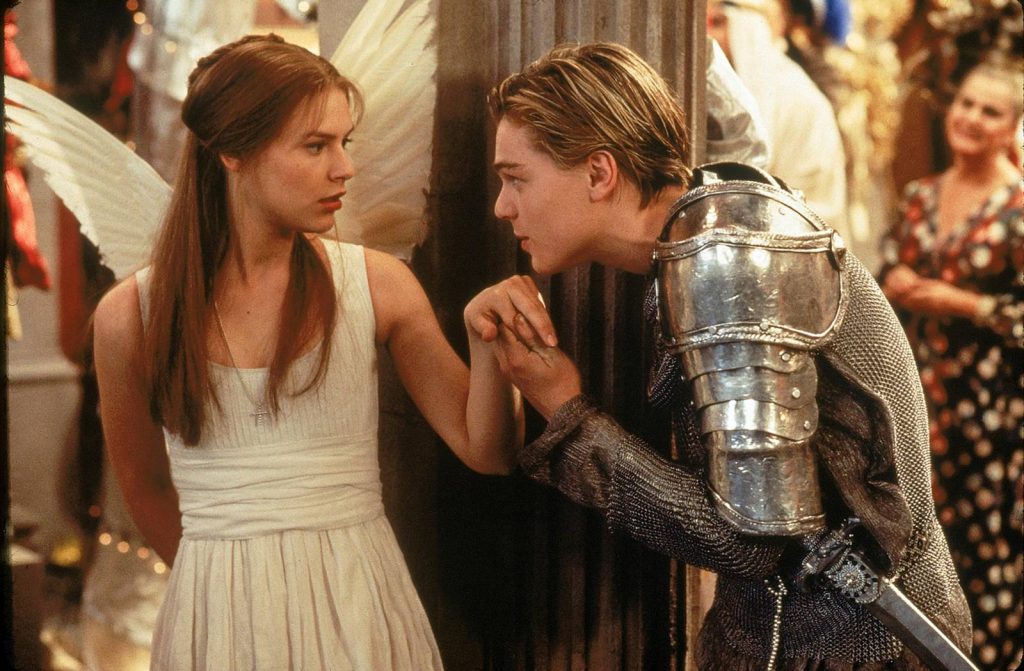
We love to be sad, a strange thing to admit, as it’s seen as a negative emotion, so why then does it play such an integral role in the most successful stories, from Romeo and Juliet to The Color Purple. Firstly, it’s a counterbalance to happiness – you can’t feel one without the other. Secondly, it’s a key part of our emotional range. To feel all emotions is the experience of living, and what we believe separates us from less sentient animals and machines, even Chat GPT! To long is to live.
Music is subjective, but if you look at the most popular songs, denoted originally by their chart position but now by how many streams they have on Spotify or on Apple Music, sad songs carry the most weight. When Mike Skinner asked us to dry our eyes in 2004, we listened. Tony Rich, aka The Tony Rich Project, is an artist with seven albums, but we only know him for his single; Nobody Knows, in which he describes dying inside over a lost love. How many people have listened to that alone in their bedroom and tried to work through grief? As a species, we don’t shy away from sorrow, beautifully illustrated by Lord Tennyson when we wrote: ‘I feel it, when I sorrow most; ‘Tis better to have loved and lost /Than never to have loved at all.’ (In Memorium A.H.H. 1850).
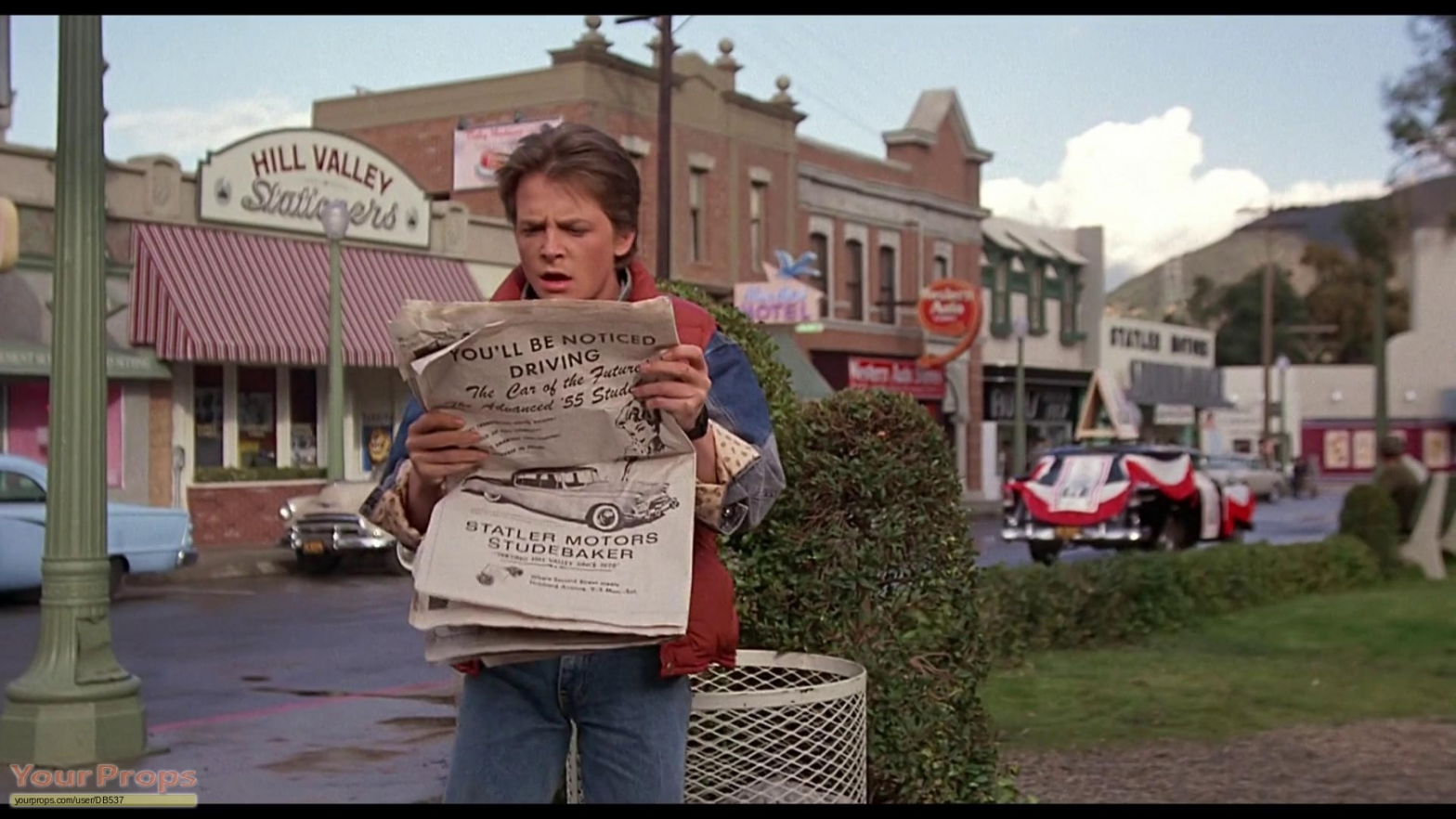
This is what makes nostalgia so powerful; it is inextricably linked to sorrow, one of our most powerful emotions. This manifested itself in Hollywood in the 1980s, firstly due to technology and visual effects making it easier to represent the past, and secondly due to a group of filmmakers who grew up in the 1950s and ‘60s coming-of-age as film directors and producers. George Lucas was the pioneer, helming American Graffiti (1973), celebrating California in 1962 with Cadillacs and diners aplenty. It’s no coincidence that Lucas was 18 in ‘62 and wanted to celebrate his youth. This inspired a whole host of filmmakers in the 1980s to take a nostalgic trip back to their childhood days, the most famous and era-defining being Back to the Future (1985).

Robert Zemeckis took us back to 1955, 3 years after he was born, in a sports car! The world lapped up the nostalgia of 1950s America, a simpler time laced with rock ‘n’ roll, slick haircuts, and school dances. Back to The Future has a double hit of nostalgia, as the 1980s are now just as revered as the 50s, complete with fun characters and a killer concept; no wonder it has captured audiences’ imaginations ever since. But the 1980s were full of journeys back to the past. We had Stand by Me (1986), Stephen King’s Coming of age novella, set in 1959, about a group of 12-year-olds (King was also this age in 1959, another coincidence?) searching for a dead body. A Night in the Life of Jimmy Reardon (1988) also starred the late River Phoenix and found him deciding on his future after graduating high school in 1960. All these films have an idealist view of the past, using it to remember the young lives of its creators. This is the magic of the movies; it can create a timestamp, even if that time never really existed, as every period in history has its negative aspects that are not always depicted on screen. As well as longing for the past, all these films are tinged with melancholy, as we can never truly travel back in time like Marty McFly, and Stephen King’s characters can never recreate their bitter-sweet journey into manhood. We can never return, which is the ultimate sadness.
As the years passed, audiences then took a big gulp of 80s Americana, typified by the films of John Hughes, even if the angst is always through the eyes of white privilege in films like Sixteen Candles (1984) and Ferris Buller’s Day Off (1986). This brings us to modern filmmakers in the 2020s, who were conditioned by the 1980s and 1990s. At first, the 1980s was utilised in a quirky manner; for comedy in The Wedding Singer (1997) or to be horrified but secretly revel in the excess of the era in American Psycho (2000). But then it seeped into the mainstream with Scorsese’s filthy marathon, The Wolf of Wallstreet (2013) and even more so with Wonder Woman 84 (2020), which appeared to be set in the era for no other reason than nostalgia baiting. Director Patty Jenkins clearly knew the power of the feeling for a past that you can’t return to.
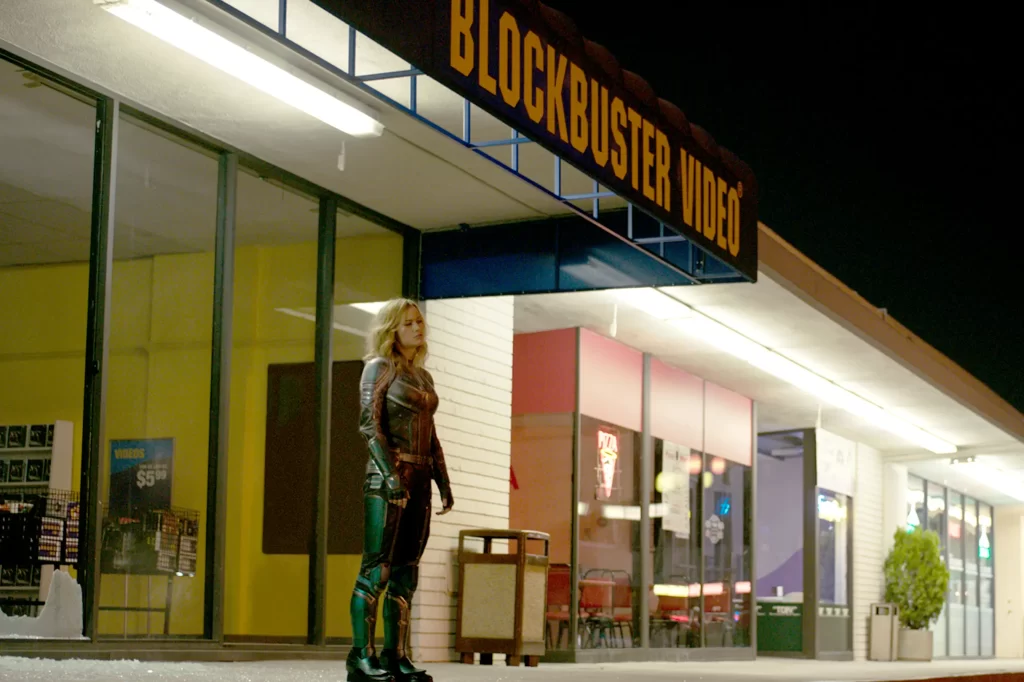
Naturally, this has also begun to happen with the 90s, Captain Marvel (2019) being set in the era of baggy clothes, so Brie Larson can crash into a Blockbuster video, which any movie fan will have fond memories of exploring on a rainy afternoon. Jonah Hill’s directorial debut: Mid90s (2018) basks in nostalgia-heavy ‘90s LA, hell even Angry Birds 2 (2019), had a ‘90s nostalgia moment, featuring the music from Dawson’s Creek (1998-2003), clearly trying to appeal to the young parents who had been dragged to the cinema having watched Kevin Williamson’s ’16-year-olds’ spout perfect English prose when they should have been doing their homework.
Of course, this will continue, and it won’t be long before we have films set in the year 2000 and beyond. There is nothing innately wrong with this; media, especially film, can travel in time, which is one of its many amazing qualities. We will always long for the past, for people and products that don’t exist anymore. Swimming in sadness from time to time is healthy and part of being human, the key to not drowning – is to enjoy every moment as it happens and realise that not everything from the past has value. Enjoy the present before it disappears into the mist of time and becomes yet another halcyon day.