THAT’LL BE THE DAY (1973) / CERT: PG / DIRECTOR: CLAUDE WHATHAM / SCREENPLAY: RAY CONNOLLY / STARRING: DAVID ESSEX, RINGO STARR, ROSEMARY LEACH / RELEASE DATE: OUT NOW
Britain in the 1950s is boring, dingy, repressive, and downright sad. For Jim MacLaine, the future is university and a career, his prospects are better than most but he gives it all up for rock and roll.
The plot of That’ll Be the Day is simple, but the sum of its parts put it beyond the usual boy-meets-girl boy-becomes-pop-star formula enshrined by countless Elvis Presley and Cliff Richards films.
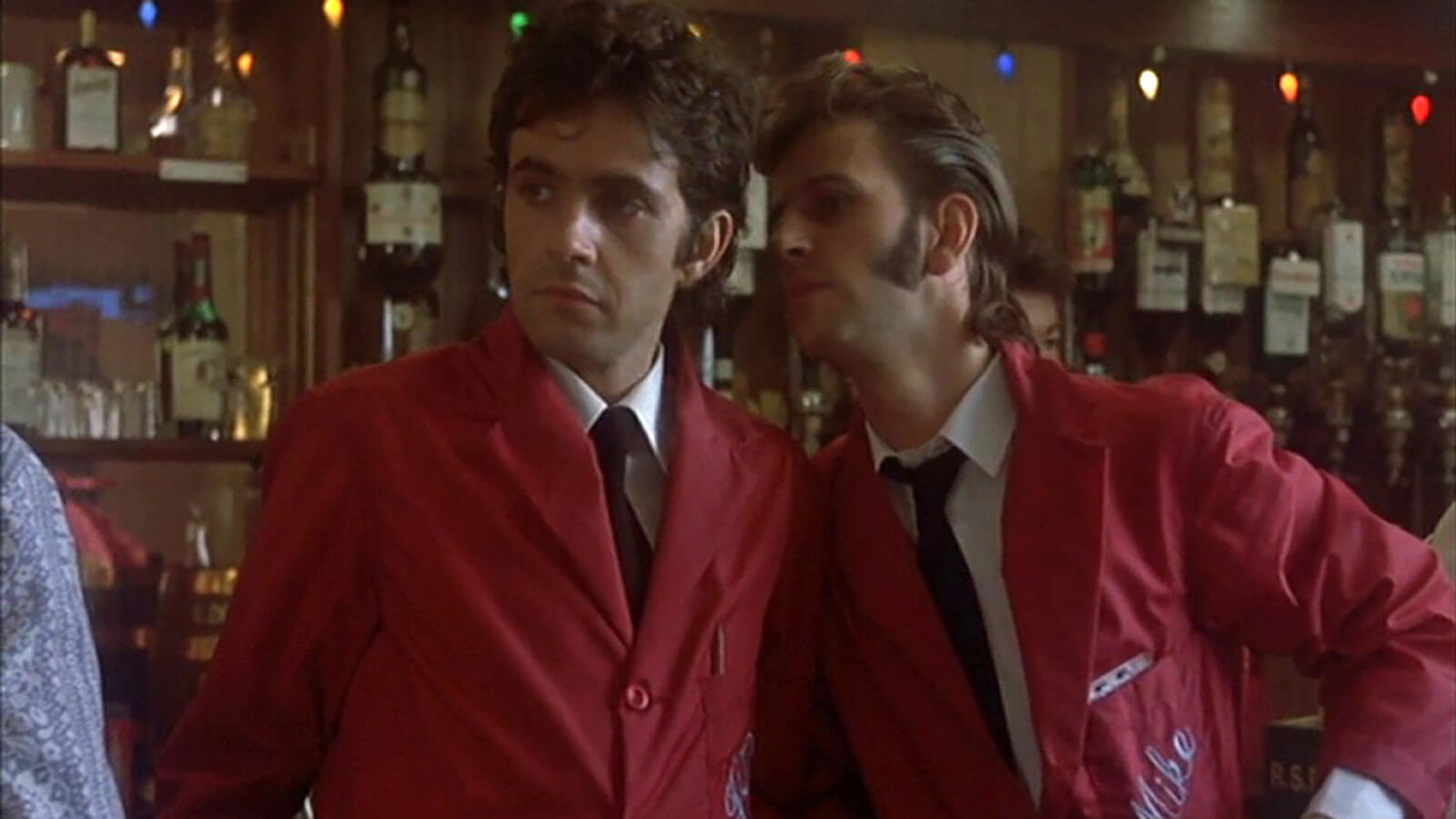
Real-life pop star David Essex stars as Jim MacLaine, the perfectly laconic hero, who decides to learn from the university of life. His intentions are all too clear in the striking image of him throwing his schoolbooks off a bridge. Having thrown away his ‘bright prospects’ literally for the fairground, his tutor becomes Mike, a stereotypical Teddy Boy. Played by The Beatles’ Ringo Starr, Mike teaches Jim how to cheat customers on the dodgems and how to seduce young girls. Jim becomes proficient at cheating and loving, indeed they become his mainstay whilst rock and roll music is his excuse and escape route, as much as his dream.
The fairground with its brash excitement and cheap thrills is a visual counterpoint to rock and roll music itself, and they contrast sharply with strait-laced everyday Britain. Director Claude Whatham shows the excitement and sleaze of becoming an adult without pretension. Made in 1973, it nostalgically recreates the late 1950s but is never sentimental or mawkish.
In the same year, 29-year-old George Lucas drew upon his experience of 1950s small town America for American Graffiti. The shadow of the Vietnam War hangs over the bright innocence of the characters in Graffiti, whereas the characters in That’ll Be the Day are already blighted by the repercussions of World War II. For both films rock and roll is a guiding light that transcends and illuminates everyday reality. That’ll Be the Day established Sir David Puttnam as a film producer and made Essex a pop star.
The extras include an interview with Puttnam who says that when he got together with screenwriter Ray Connolly they shared many of their own experiences for the film script, in particular the opening scene of Jim as a boy meeting his father after the war is based on what really happened to David. He also notes how a deal with Ronco to release a soundtrack album of the film meant that it was heavily promoted by TV advertising. A stills gallery and interviews with author Bob Stanley and Ray Connolly are also included.