by Ed Fortune
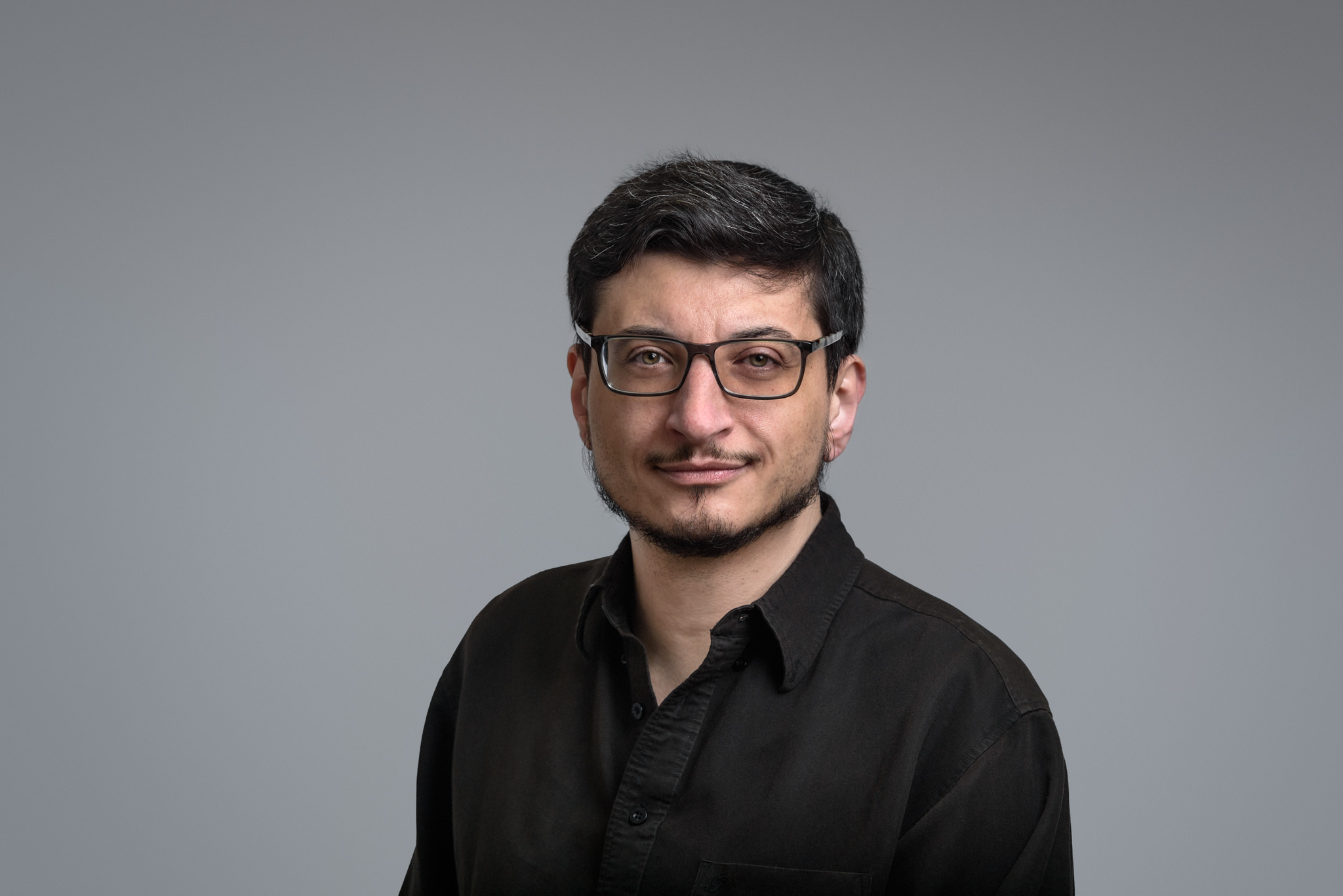
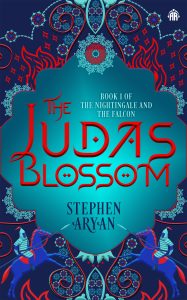
Stephen Aryan is an award-winning fantasy author whose work includes the Quest for Heroes duology and the Age of Darkness and Age of Dread trilogies. We caught up with him to find out more about his new book, The Judas Blossom…
STARBURST: How would you pitch this book to someone who’s only read A Song of Ice and Fire?
Stephen Aryan: I would say that The Judas Blossom is similar, but only up to a point. It also has factions fighting for control, and there’s lots of politics, intrigue, espionage and battles. But the story is set on Earth, not a made-up world, and there are no dragons or direwolves. There is a fantastical element, but it’s not the focus of the story. This is about the expansion of the Mongol Empire as they attempt to conquer the whole world.
Why epic fantasy?
Fantasy is my favourite genre to read, so it was a natural fit for me to write it as well. Fantasy allows the author to tell any kind of story they want. It is an umbrella, and as long as a story contains certain elements, it will still be regarded as fantasy. I’ve written fantasy novels that were actually war stories, crime, horror, and supernatural.
Why multiple perspectives?
For this particular story, there were a lot of different aspects of the conflict that I wanted to explore. I’m telling the story from the perspective of both the conquerors and the people they are conquering. So, it would have been extremely limiting to do it from one point of view.
What is it about the Mongol Empire that fascinated us so?
I’m not particularly fascinated by them. Generally, I think any Empire that attempts to rule the whole world is an intriguing concept. Be it the Mongols, the Romans, or someone else. The idea of unifying every single country on every continent is both terrifying and intriguing. If, somehow, it were to happen (it won’t), what could the whole human race achieve if we were all moving in the same direction?
How sharply does this tale depart from history?
It doesn’t depart from it very much at all. All of the main events are real. Some of the characters are based on real people, but some are fictional. Some of the organisations and groups in the story are real. Some are not. Most of the time, I was dancing between the raindrops, and where there was a gap, I had more room to invent. The best example is Princess Kokochin. According to history, she came to Persia to marry a Khan, and three years later, she was dead. Not a lot is known about her. So there’s a big question mark, and that made me curious and intrigued. It also allowed me to create whatever I wanted.
How different is this book from your other work?
It’s very different because it’s set in 13th-century Persia, and this is my first time writing historical fantasy. Also, I’ve done big bombastic magic before [see the 6 Mage books], and The Judas Blossom is not that. There is something other, something fantastical, but it is only one facet of the story. It will not take over and become the whole of the story, as that would make it pure fantasy and not historical fantasy. No matter how much I change, I still want to make the story adhere to history, up to a certain point at least. So, you won’t suddenly see dragons in this series.
What character is the most fun to write?
That’s really difficult to answer. The most fun, or the most interesting character, is the one I’m working on right now for book 3. I have to find a way to relate and connect to all of them. I have to care about all of them as well so that I can make them feel as real as possible for the reader. That way, even if the audience doesn’t like a character, hopefully, they can understand their motives.
What was the hardest part to write?
Writing this whole book has been the biggest challenge of my writing career to date. Mixing fact and fiction together in a way that is hopefully seamless was the hardest thing. If someone is not familiar with this period of history, or even this part of the world, I don’t want them to be able to work out what I made up and what really happened. Writing a traditional fantasy novel requires a lot of imagination. This series required a lot of research because I can’t just invent some aspects of the story to make it fit.
Is it suitable for the squeamish?
Not really. The 13th century was an extremely turbulent period of history, with a lot of different factions fighting for power. There were a lot of violent conflicts, and the central core of the story in The Judas Blossom is about the Mongols attempting to create an empire that covers the whole world. So that involves a lot of destruction, sieges, politicking and back-stabbing.
What would you say the biggest influence on this book is?
The main tentpole events of the book are all historically accurate, up to a point at least. I changed some details to make the story flow in a more satisfying way for readers. So, history is the biggest influence on The Judas Blossom. While some people may be familiar with the Mongols, most stories focus on other parts of the world or other characters such as Kublai Khan. I wanted to set the story in the Ilkhanate, and more specifically, Persia, as most people do not know very much about the country and its history, which spans thousands of years. I also wanted to write about this part of the world because of my Persian heritage. Writing The Judas Blossom gave me a great excuse to do lots of research and add to my existing knowledge.
Which writers inspire you?
My early influences include Terry Brooks, David Eddings, Margaret Weis and Tracy Hickman, Ursula Le Guin, Tolkien, C.S Lewis, Frank Herbert, Stephen King, Dean Koontz, David Gemmell, Jim Butcher, Tad Williams and Robin Hobb. The list is long and gets longer all the time.
If we like this book, what other books do you recommend?
All of my other novels. There are eight of them. That should keep readers busy for a while as it will be a year until the second novel in The Nightingale and the Falcon trilogy is published in July 2024.