The 1864, Battle of the Wilderness heralded the start of a new and bloody phase of attrition in the Virginian theatre of the American Civil War. Indie historical flick Union Bound is inspired by the real-life diaries of Union soldier Sergeant Joseph E Hoover who was amongst the many combatants on both sides who were captured during the three days of intense fighting.
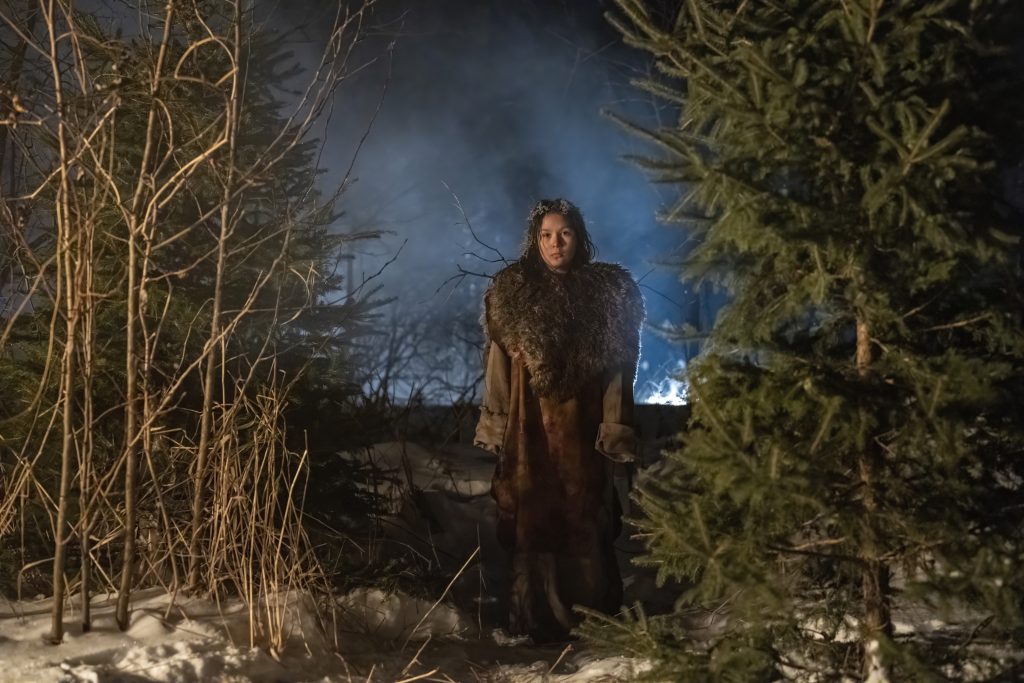
After Hoover and his compatriot Ryan escape from a tented stockade, the pair face a daunting journey, unsupported and on foot, back towards the safety of their force’s frontline. The film focuses on the vital help that the fugitives receive on the way from sympathetic locals.
Civil War ‘reenactment societies’ remain extremely popular in the US. It makes good sense for period filmmakers working with a modest budget to take advantage of this enthusiasm. The larger such societies, composed of dedicated enthusiasts, can provide access to authentic costumes, firearms, horses and extensive experience of staging battle sequences in the field. The producers of Union Bound avail themselves of exactly that sort of backing, which means that the opening and closing skirmishes between Union and Confederate troops are realised to decent effect. But the bulk of the film is a more intimate, small-scale affair, focusing on the plight of the isolated escapees.
The fugitives’ journey back towards their own lines sees director Harvey Lowry get equally good value from the woodlands, open fields, lakes and rivers of some timeless rural hinterlands. But it’s when attention moves past the film’s visuals that things rapidly go downhill. The quality of the acting delivered by the small ensemble is patchy, and cast members are often defeated by the clunkier lines of melodramatic dialogue. Lowry also struggles to invest the escapees’ flight with much in the way of tension or excitement. The original soundtrack is serviceable enough, but it’s used to saturating effect right across the film to try to inject a sense of atmosphere that’s otherwise often lacking.
But the film’s biggest shortcoming is in the realisation of its central premise. The escaped Union soldiers evade capture because of the bravery and sacrifice of black slaves that shelter and guide them towards freedom. On several occasions, that selflessness comes at a terrible personal cost. Writer John Errington does not challenge the narrative lens of his source material, so the original diarist’s sense of which lives matter the most is retained in his screenplay. This is an historical film light on insight into the times in which it is set and with an oddly skewed sense of who the story’s heroes are.
Union Bound will be available on streaming platforms in August.