Folk tales are constantly being changed and adapted by the culture that they are part of. Old stories tend to only be from a male perspective, and modern retellings tend to put a fresh spin on things that are welcome. One mythological creature that gets a lot of love at the Edinburgh Fringe is the Selkie, an aquatic shape-changer that can turn from a seal to a human by shedding its skin.
On the face of it, The Selkie’s Wife is a one-woman show that retells the tale of The Selkie Wife (also known as The Selkie Bride) from a different perspective. It blends two traditional tales about the Selkie to forge a longer narrative, one that is tragic, personal and distinctly queer. Themes of dysphoria, isolation and marginalisation are brought into the drama, lending a strong emotional punch to the whole affair.
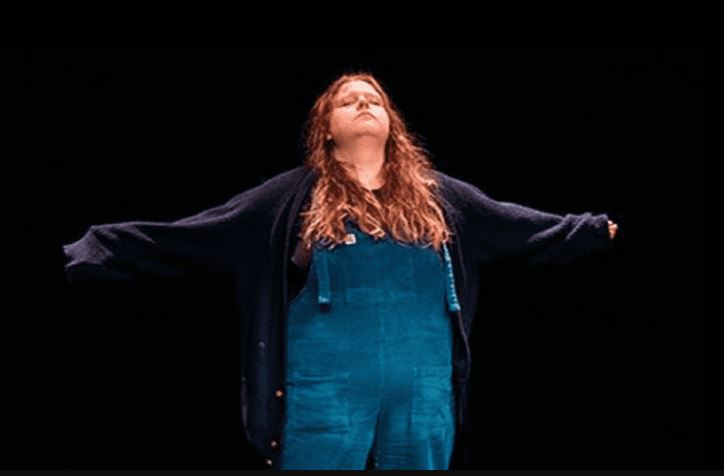
The story-telling style is unconventional. Performer Elisabeth Flett blends storytelling, academic presentation, and emotional polemic with violin playing and a bit of singing. Individually, these are all good, but they don’t combine into one larger show, instead feeling more like a showcase of ideas.
The shifting perspective does make the story quite flawed. For example, the titular Selkie’s Wife has obvious biases, so we only see the fisherman’s character as a brutal, one-dimensional, ogre-like figure. We know nothing about them, so there’s no depth to that side of the story. The original narrative tends to portray female characters as one-dimensional, so turnabout is fair play. Sadly, the story still suffers from the practice of treating a person as something lesser.
This is also called out as part of the show, to an extent, but the impact is lost in the messy narrative. The Selkie’s Wife is a passionate blend of ideas but like many shows on the fringe, something that needs more time to develop. All that said, it’s quite an interesting and entertaining show as it is.
If you’re after a modern and masterful story about selkies, go and read Joanne Harris’s The Blue Salt Road. If you want a heart-felt piece of novel theatre that is as personal as it is clever, then go and see this show.
To find out about potential future performances, check out Elisabeth Flett’s social media here.