CERT: 18 / DIRECTOR: TAKESHI KITANO / STARRING: ‘BEAT’ TAKESHI / RELEASE DATE: OUT NOW
The release of Violent Cop in 1989 found Takeshi ‘Beat’ Kitano embarking on a new direction for his career. A successful comedian and actor in Japan across the 1970s and 1980s, he was cast in the thriller first and, when the original director dropped out, took over that role too. Rewriting the script and able to shoot at his own pace this story of a detective, Azuma, is quite something. The screenplay embraces the clichés of the ‘tough renegade cop’ genre and then spends two hours realigning them, messing with them and ultimately making something new. Kitano has a crumpled, compelling screen presence that keeps you gripped as Azuma spirals further and further out of control. The film sets out his stall too, of apparently straightforward plots twisted into something persistently out of step and uncomfortable.
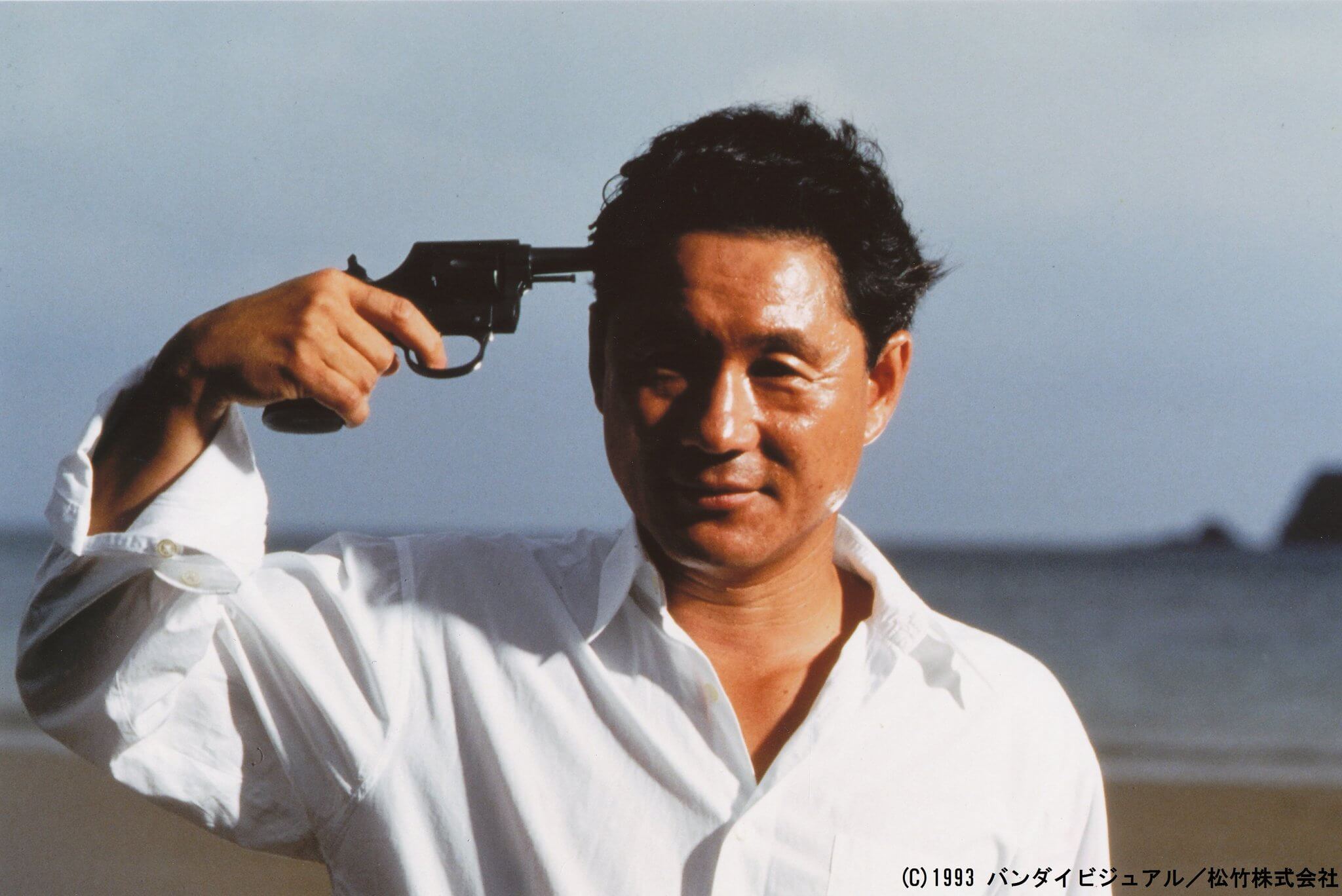
The following year’s Boiling Point follows two young men on a journey to the big city to buy a gun, where they encounter Kitano’s psychotic, cruel and impulsive gangster and fall into his very dangerous company. Here, Takeshi goes even further out into nightmarish territory, where you’re never really sure what is real and what isn’t. The third film presented here, 1993’s Sonatine, is probably the most formal of them all, but again plays with narrative, structure and reality to create something very individual. In each film, flashes of brutal violence punctuate frequent long, silent takes across these meditations on the inevitability of death.
Kitano is a great director with a keen eye for framing events in interesting ways and these prints show that off in fine style. Settings range from the city at night to sun-blasted beaches and everything is sharp and clear. For relatively low budget three-decade old films they are in good shape. Extras on the first and second discs include recent interviews with some of the principal actors. There are trailers and audio commentaries on all three films, which are reasonable and full of information for those who want to learn more. It’s no real surprise Kitano doesn’t take part in any of them as trying to explain the meaning or purpose behind these films or where and how ideas came about could serve only to stop you from interpreting them yourself, something the films avoid. The set also comes with a 44-page book including new writing on the films by genre experts.
For any already established fan of Kitano’s work this comes highly recommended. If you don’t know him, this is an excellent starting point to explore the unique style and genuinely once-in-a-lifetime charisma and talent of a remarkable filmmaker.