 Some say you can build a city on rock and roll, but in
reality it takes an whole lot of science and engineering to cope with the
demands of a vast population concentrated in a relatively small area.
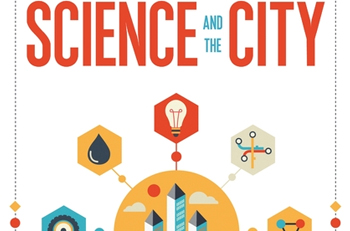
Laurie Winkless guides us through what materials we need
to create a city, how the components of a city work and the technology that has
shaped cities in the past and what might happen to them in the future.
Skyscrapers are a predominant feature of the city, and
they have grown higher and more sophisticated since the first elevator systems
and steel frameworks allowed them to tower over the landscape..
All these structures increasingly need electricity,
water and sewage services. Electricity generation is a continuing issue, since
fossil fuels are non-renewable and a major source of pollution, whilst wind and
solar power are more eco-friendly they are not so reliable. To cope with these
demands Laurie indicates that the current (pardon the pun) grid systems are
inadequate, and in the future more localised grids that can take power from
different sources is the way forward.
The availability of water is a major factor in the
growth of cities. Yet, even today a third of the world’s population doesn’t
have access to clean water. Allied with where we get water from is the problem
is where it and our waste products are flushed to.
From these basics, we move onto the roads and what is
needed to keep the flow of traffic running smoothly and the type of cars we
might use in the future. Another chapter looks at railway networks that also
transport the masses across the metropolis.
Besides the movement of people, Laurie also looks at how
communications and money, food and goods are linked into city-wide networks.
After putting together a city and bringing it to life, Laurie explores what
life there might be like in the future. Will it be as energy saving and
efficient as she hopes, or will, despite all our technological advances, cities
become even more congested and polluted?
Laurie packs in lots of facts, figures and forecasting
in an entertaining and engaging manner. Even though there are a few black and
white illustrations, it would be good to see a full-colour pictorial version of
this book or even a TV programme based on it. Key concepts are featured in
bold, which helps for an easy search through the book, and it also includes an
index and a further reading section. It’s not rock and roll but I like it.
SCIENCE AND THE CITY / AUTHOR: LAURIE WINKLESS /
PUBLISHER: BLOOMSBURY / RELEASE DATE: 11
AUGUST 2016