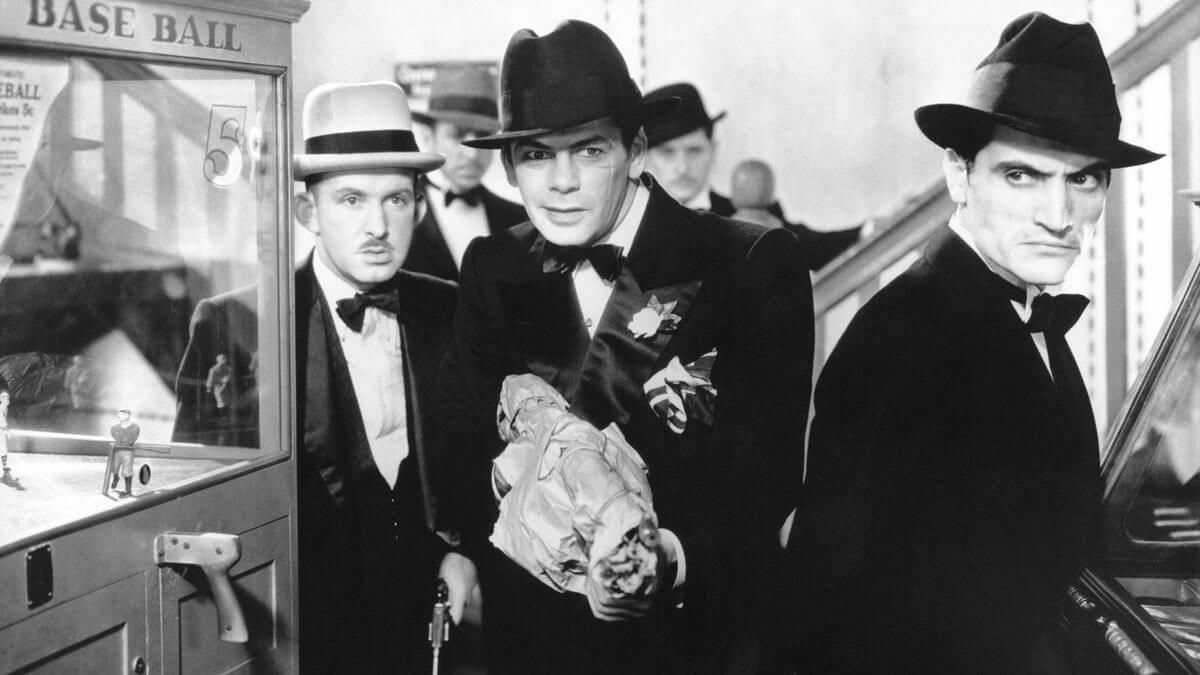
Directed by Howard Hawks and produced by Howard Hughes, this early talky was the blueprint for all gangster movies to come and was famously remade in 1983 by Brian De Palma. You won’t find a mountain of cocaine nor say hello to any little friends in the original Scarface, though. We do, however, rediscover a masterpiece of cinema that has aged like a good whiskey.
Tony Camonte (Paul Muni) is an ambitious Italian immigrant hell bent on becoming the king of the underworld. Characterised by the cross-shaped scar on his cheek and his ruthless nature, he also shows a passion for personal growth and need to be seen better educated than he is (as depicted when he enjoys a night at the theatre with his ‘boys’), although he gets a little too excited at the thought of owning a Tommy gun. He’s possessively protective towards his sister Cesca (the stunningly provocative Ann Dvorak) feelings that come across as incestuous. Starting as a right-hand man to bootlegger Johnny Lovo (Osgood Perkins), he works himself up the ladder of corruption to become the top dog he desires. He finds that being on top makes him a target for the police and those below.
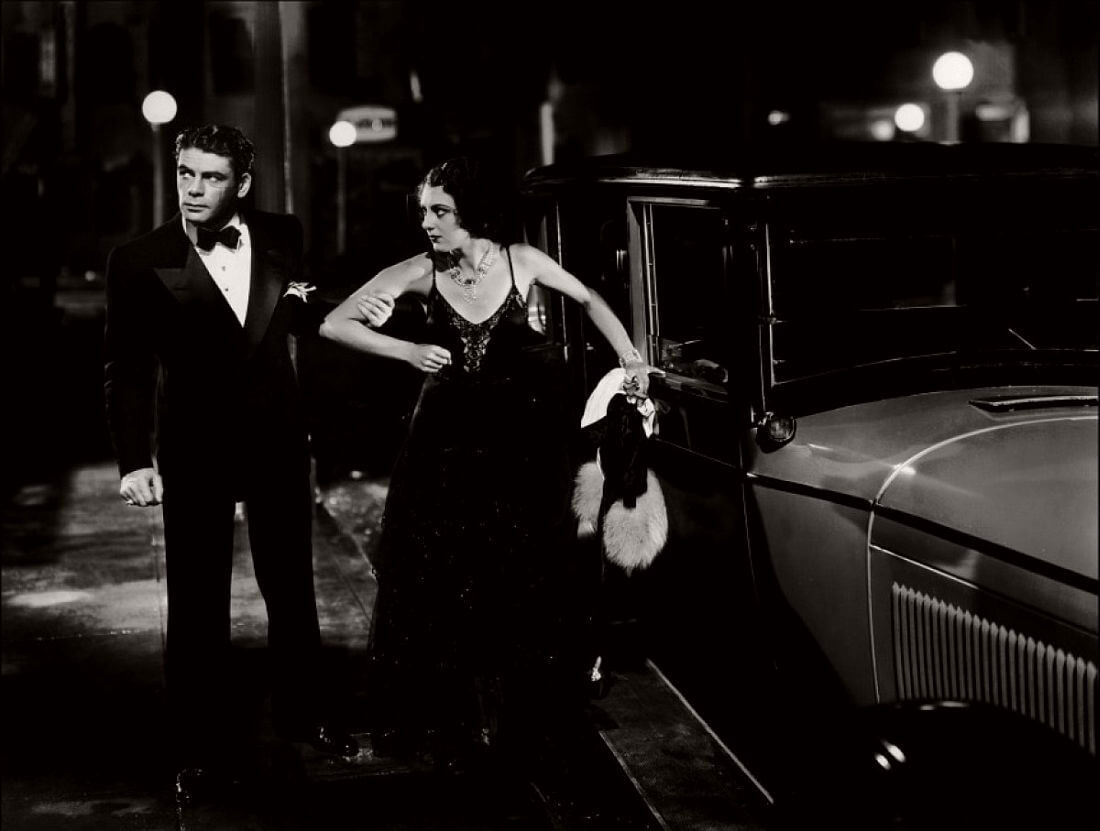
Almost everything about Scarface is wonderful to behold. In particular, the cinematography by Lee Garmes and L. William O’Connell. Working with shadows to great effect, under Hawks’ direction, the film is visually stunning, pulling off set pieces that will be emulated for years to come. The letter X is prominent throughout the film, often appearing whenever someone is killed (if you were to use the motif as a drinking game, you’d be drunk well before the final reel). Muni was one of the greatest stage actors of the period, and here he excels on screen, giving Tony a flawed side that he’s too proud to show. Also in the cast are a coin-tossing George Raft (in one of his first major roles) and Boris Karloff who, despite being second billed on Imprint’s slipcover, plays a supporting role as a thug dispatched by Tony’s men while bowling. If there’s a flaw to be had with the film, it’s the stereotype Italian accents that would make the Dolmio puppets facepalm.
Evidence of the studio’s worry about the film’s subject matter (it was based on Al Capone, who was still a famous figure at that time) forced a jarring introduction, in which the audience is told they are to blame for the rise of the gangster as they voted for politicians that are doing nothing about it. Later in the film, moralising about gun control and immigration is directed straight at the viewers, which we imagine would have been startling at the time.
Australian label Imprint has given the film a glorious release. Not only is the image stunning (it’s hard to believe the film is almost 90 years old) but it sounds much better than any previous release. Extras-wise, the commentary track from Drew Casper is passionate and informative, as are the video interviews with Matthew Sweet and Tony Rayns. The movie itself is presented in both the theatrical release and a cut-down censored version, a result of the controversy the film caused in pre-code Hollywood. An essential movie.