AUTHOR: JAMES MCCULLOCH | ARTIST: ADAM JAKES, JONATHAN SCOTT, NORRIE MILLAR, ROB DRAWS PICTURES FOR MONEY | PUBLISHER: COMICHAUS | FORMAT: SINGLE ISSUE | RELEASE DATE: OUT NOW
Pure Dead Mental is a quartet of short tales from horror writer James McCulloch, each delving into the darkness of human nature and dripping with the nadir of what people are capable of when they let their worst moments consume their present.
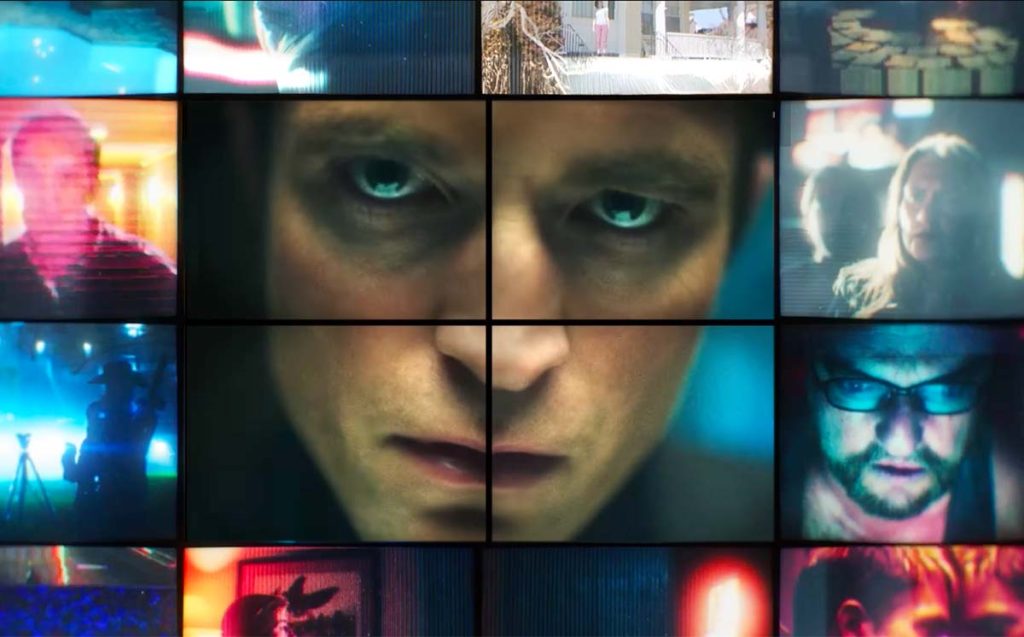
The first tale, Gallery, sees a man with a reluctant guest in an underground basement, exploring the idea that after evil has already been perpetrated, how far is enough before revenge has been truly extracted?
The second, The Letter, is a half-wordless story following a man undergoing a silently extreme reaction to reading something, somnambulistically walking around his home as the extent to which he has calmly but completely lost his mind becomes increasingly clear.
The third, Jonah, features a crazy survivalist living in the woods after a zombie apocalypse, muttering told-you-so vindication towards memories of the mockery he received for his preparation. His unthinking and violent reaction towards any encroachment upon his domain ensures his survival, but raises the question of just how much of his humanity and self-awareness is left to allow him to do so.
The final, Not Today, sees a creepy man following a young woman home from the bus, warring against a voice in his head trying to compel him into succumbing to his horrific impulses, unspecified upon but straightforward enough to imagine. Of the four stories it evokes the most tension since you know exactly what’s going on and what could happen, and are fully aware there’s an equal chance it could go either way.
The tales are brief bursts of people’s fears becoming manifest, and the different ways in which they react to the extreme pressure of forces both physical and psychological. Each is a mere six pages long, but in that time manages to efficiently set up a scenario, build interest in what’s going to happen, then deliver a slight twist before it ends. They deal with themes of vengeance, regret, fear and desire, all at their basest level where people’s reactions are at their most primal and higher thought barely gets a look in. Recognisably different artwork aids in separating each story, creating snapshots of human misery and suffering that draw you in then spit you out, uncaring whether or not they might have affected you.