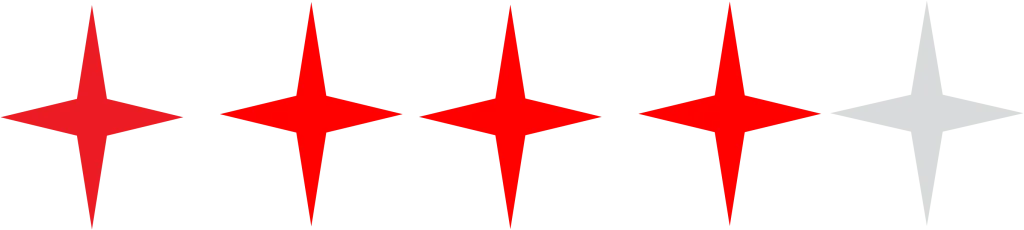
PLATFORM: PC, PS5, XBOX SERIES (REVIEWED) | RELEASE DATE: OUT NOW
Following a couple of successful remasters over the last few years, Way of the Sword is the first brand new entry in the Onimusha series since 2006’s Dawn of Dreams. Long-awaited by fans of the demon-slaying samurai, its release comes after a stunning run of incredible Capcom games that already includes two 2026 Game of the Year contenders in Pragmata (which would win, if it were up to us!) and Resident Evil 9.
Way of the Sword casts players as Miyamoto Musashi who, after winning a duel with a master swordsman, falls foul of the Genma, the supernatural demonic entities who will be familiar to series veterans. Waking up to find an unusual talking gauntlet strapped to his arm, Musashi is lead to a nearby temple where his mission is revealed – to cleanse a series of sanctuaries by killing the Genma and closing the rifts that they use to transport themselves to earth through, in order to keep the gates of Hell closed forever…
The story that plays out over the 20+ hours of the game remains engaging throughout, mainly thanks to Musashi himself who is extremely likeable. The surrounding cast of characters is equally affable, and there’s a lot more humour than you might expect from the game’s dark fantasy olde-worlde Kyoto setting, with plenty of witty dialogue and off-the-cuff remarks that hit their targets more often than not, although some might find that the British accents used for the English dialogue seem a little out of place and that the Japanese dialogue feels much more immersive.
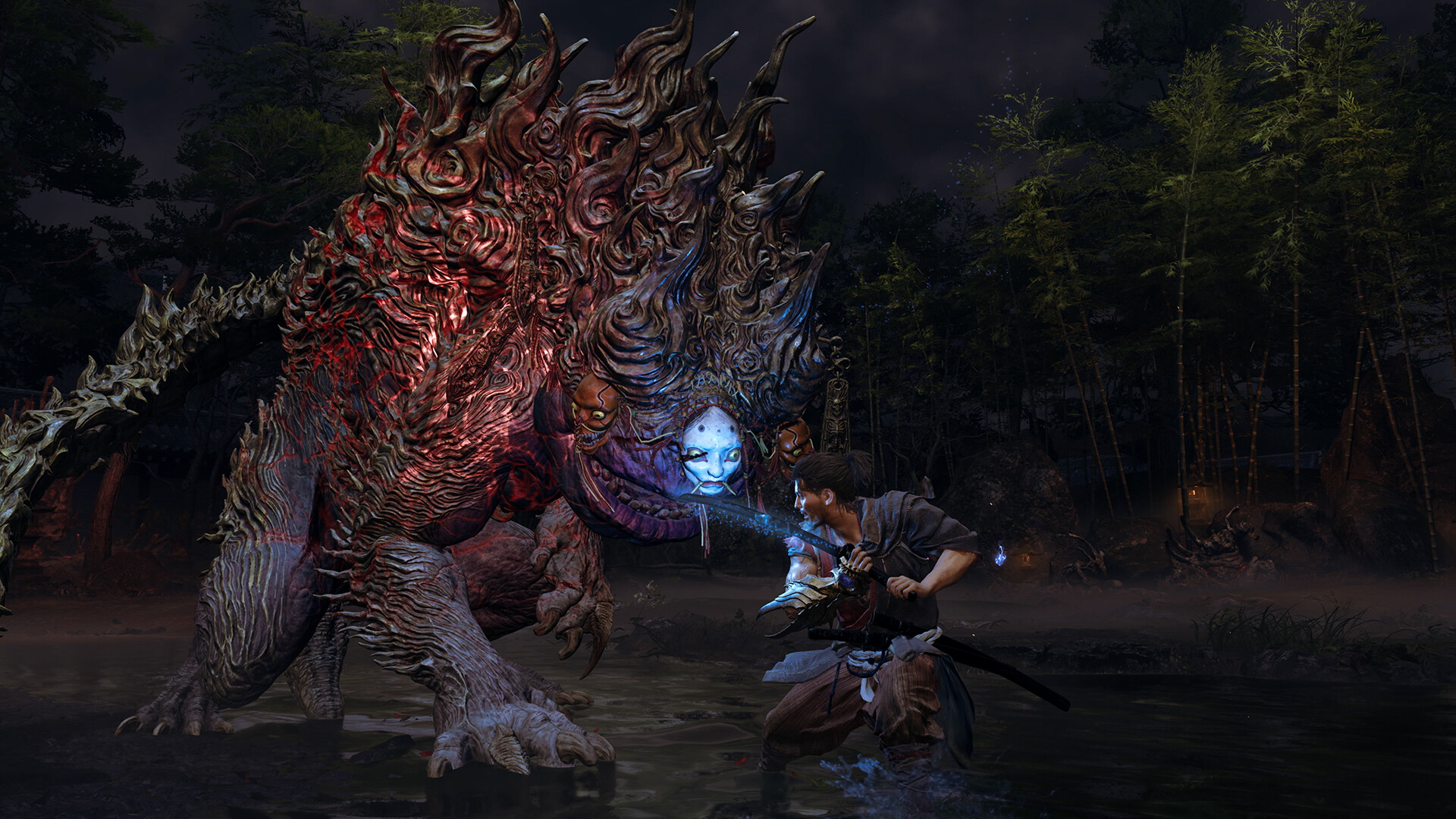
Onimusha‘s main draw, though, has always been its combat, and Way of the Sword really excels here. The melee-focused swordplay feels fantastic right from the start, and only gets better as you progress through the game. Basic one / two-handed sword strikes deal most of the damage, while a focus on parrying, dodging and deflecting enemy attacks allows you to either dash in with a devastating Issen counterattack or stagger your foes to the point where you can move in for a brutal execution move. Your Oni bow can be used to take enemies out from afar, while you’re also able to aquire half a dozen Oni Armaments during the course of the game which allow you to deal massive damage with special attacks. Enemies react to all of your movements and attacks in more ways than many other games seem to manage, comically stumbling around and taking damage as they collide with objects in the environment (some of which can also be picked up and used to your advantage in various inventive ways), giving the sort of feedback that makes combat feel extremely responsive and satisfying.
Musashi’s weapon and skill upgrades are handled by two different skill trees which are slowly unlocked as you gain Oni Stones and Power Stones which can either be found in the environment or earned from defeating enemies, while equipment can be upgraded using materials found on your travels. While WotS is mostly a very linear game, its main hub area is set in a large open world area of Kyoto which allows for exploration, sometimes involving a little bit of light puzzling as you figure out how to get into areas that, at first glance, seem to be inaccessible. It’s also in this hub area that you’ll find short side quests and slightly more lengthy Curious Cases, which tell stories of mysterious goings on and usually involve Musashi heading to a Genma-filled location or boss encounter.
As well as its fantastic combat system, Way of the Sword‘s visual style is another of its highlights. Environments are stunning, from Kyoto’s city streets to the surrounding temples, forests and mountains, everything looks absolutely beautiful. Enemy design is similarly excellent, with plenty of grotesque abominations and momorable bosses that will stick in your mind long after the end credits have rolled (one in particular is especially notable for both his outlandish appearance and insane personality). If there were one slight drawback, it’s that many of the lesser enemies are very easy to defeat and the difficulty only really ramps up during boss fights, but an additional difficulty setting becomes available at the end of the game which will test those who feel like they need a bit more challenge. All in all, Onimusha: Way of the Sword continues an incredible run of Capcom games that doesn’t seem to show any signs of slowing down. Whatever they’re putting in the water over there, it’s working very well for them indeed!