CERT: 15 / DIRECTOR & SCREENPLAY: RAINER SARNET / STARRING: REA LEST, JORGEN LIIK, ARVO KUKUMAGI, DIETER LASER / RELEASE DATE: OUT NOW (EUREKA VIDEO)
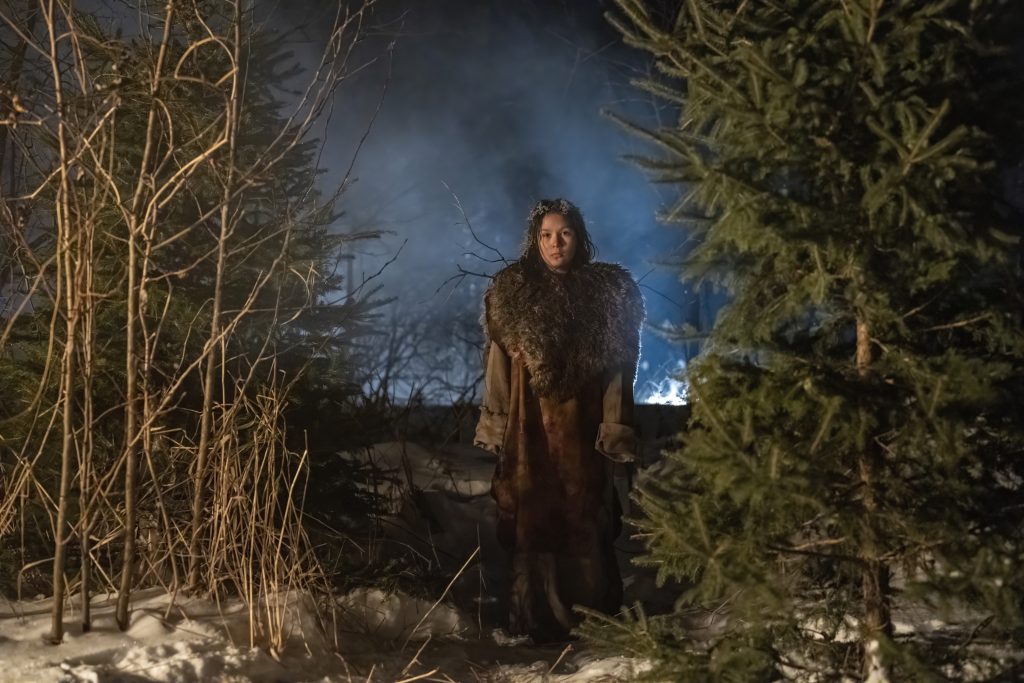
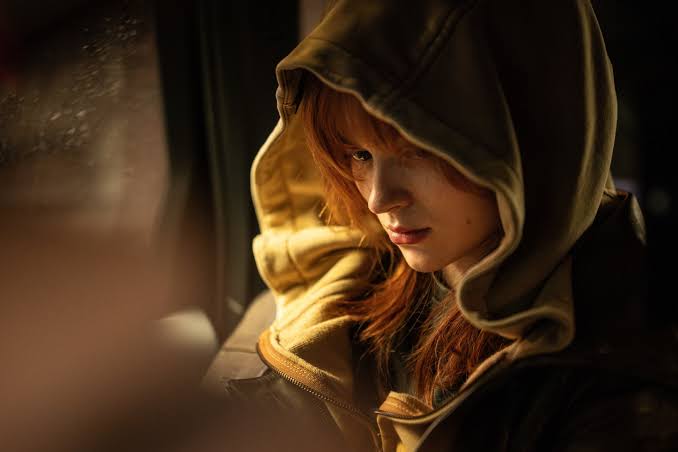
Hailing from Estonia, Poland, and the Netherlands, Rainer Sarnet’s November is a fantasy-tinged Gothic epic and a rare tour through eastern European folklore. Taking us back to a nineteenth century Estonian village, November follows a love triangle between a peasant girl, a village boy, and the daughter of the local baron. With the onset of winter, hard times strike and the people turn to magic and superstition in order to survive.
There just aren’t enough folk horror films out there. You could argue November falls more into a triage of folk, gothic and romance before it ever feels like horror, but Sarnet’s latest is a genre offering nonetheless. Its tastes are dark, its humour black, and the cruel hand of fate, or Satan, holds a tight grip over the narrative. Young lovers vie for each other’s affections, the spirits of deceased relatives return from the dead for a nice family meal, and the local baron struggles to stop his daughter committing suicide whenever there’s a full moon. Those who don’t have the manpower to work their fields in the long winter can sell their souls to Satan so he’ll animate a Kratt: a hodgepodge of tools not dissimilar from a wooden robot. Unfortunately, without constant orders, a Kratt will murder its owner. Aside from all this, the Black Death, personified in numerous forms, stalks the quiet, terrified town. It’s a dangerous and alien world.
For many, the allure of November might be the involvement of German performer Dieter Laser, most famous for his turn as sadistic surgeon Joseph Heiter in The Human Centipede and Bill Boss in the black comedy The Human Centipede 3. Here, Laser is significantly more reserved as the local Baron, cutting about the village in all his finery rocking a head full of stark white hair. Sure he can do eerie when he needs to, but there’s some gorgeously tender, if short, scenes between him and Jette Loona Hermanis.
The charms of November are many, though. The gorgeous white-washed monotone cinematography is dreamy, the conversational surrealism is befuddling and alluring. Characters are lovably honest. The humour is wicked but the affection is sincere. Sometimes November almost feels like an anthology film and, yes, some segments aren’t as intriguing as others. However, there’s so much on offer that a little downtime is just the ticket. It feels like an epic bedtime story, not mean or cruel, just straight. Rainer Sarnet has crafted a unique gothic folk oddity full of vibrancy and soul. November is not to be missed.