by Vicky Lawrence
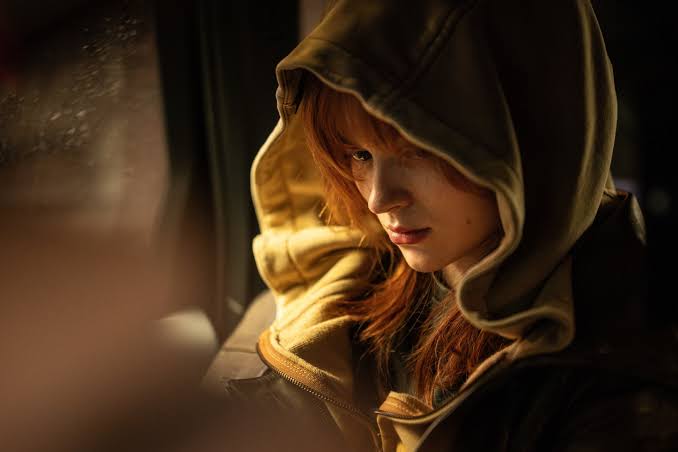
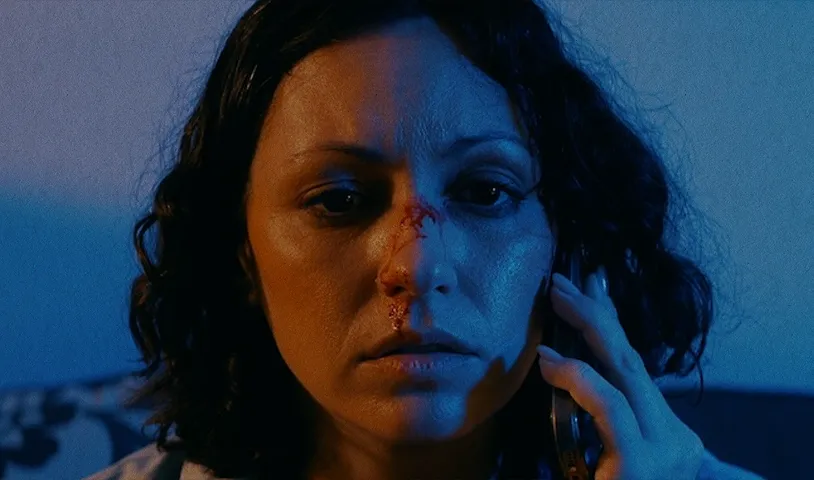
Medusa is an incredibly modern take on the Medusa allegory that makes commentaries on religion, gender stereotypes and life in Brazil, with nods to classics like A Clockwork Orange and Eyes Without a Face and inspiration taken from Argento and Lynch. Medusa is a fresh insight into the monstrous feminine. Filled with religious iconography, deep colour theory, a stellar soundtrack, and a mind-bending plot, it has everything a cult film fan wants.
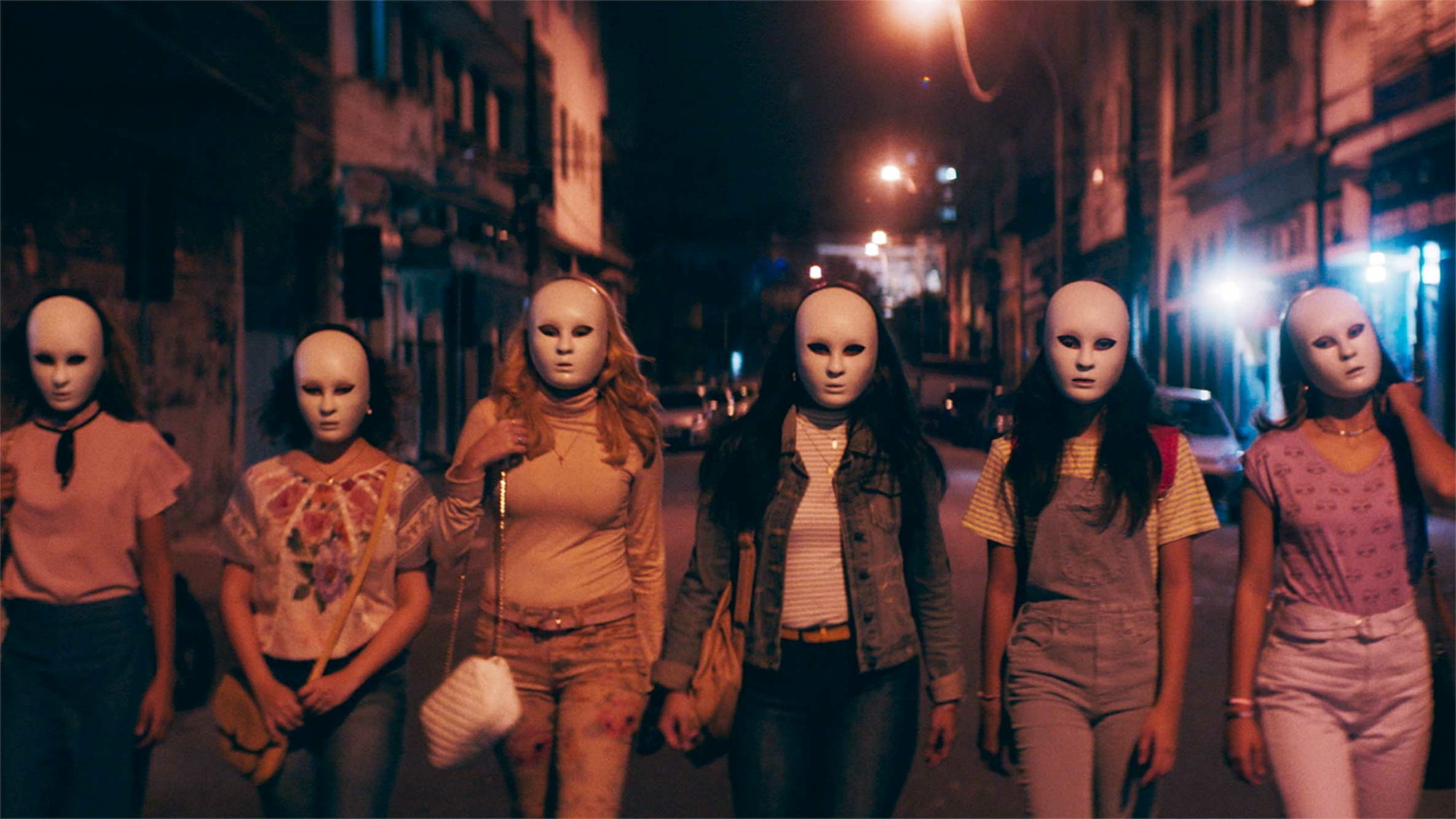
The entire film plays on incredibly interesting ideas, mainly focussing on this idea of the monstrous feminine – where if a woman is seen as sexually liberated, worldly, and goes against the words of men, then they are classed as a sinner and, in turn, monstrous. They are depicted as creatures, morbid and evil (something the actual Medusa was depicted as). It’s a theme that has been played around with through the likes of Ginger Snaps and Jennifer’s Body. The title and premise of the film solidify the Medusa allegory, giving it a fresh face and bringing to light not just the injustice against women but the reality of violence against women both in Brazil and globally. There is also a huge focus on gender stereotypes, where women are there to be looked at and glamorised, and the men are there to protect when in reality, it is the other way round. The feminine rage throughout this film is incredible, culminating in a fantastic final scene that makes you want to join in.
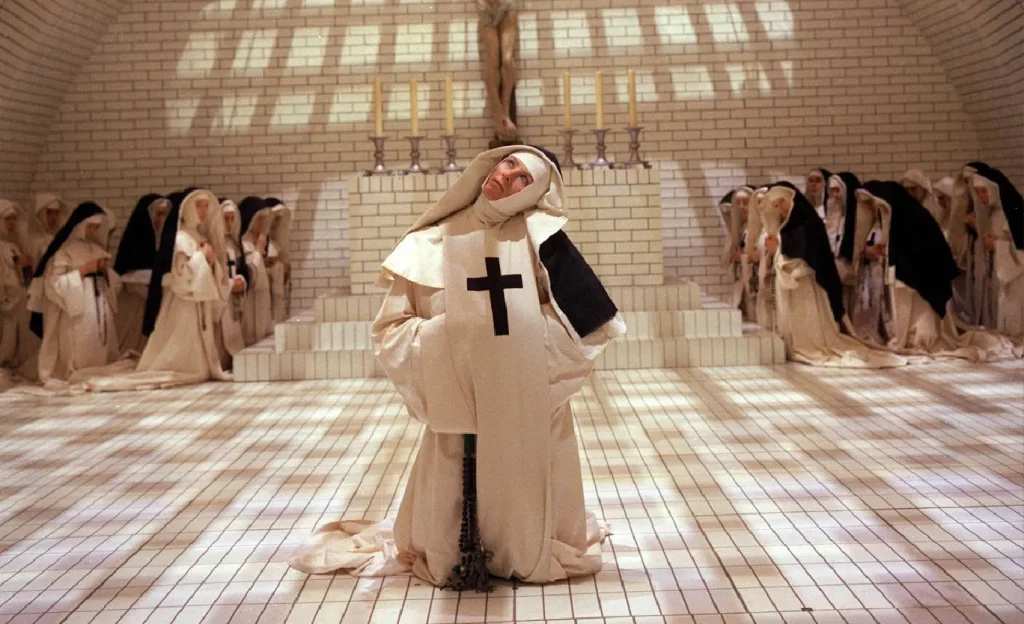
The film is full of religious iconography relating to the cult (their logo) that continuously flashes up to keep it at the forefront of your mind (almost in an attempt to brainwash the audience like the members of the cult). However, we also see a huge amount of serpent-like imagery, such as Biblical iconography of the serpent and the apple, too, in a sense, subvert the religious imagery of the cult; it hammers in the idea of giving into the temptation of the world but also solidifies the medusa allegory of the abuse these and those women not in the sect endure throughout their lives.
Medusa is beautifully shot from start to finish; it has these gorgeous colour palettes that aren’t dissimilar to Argento’s Suspiria, camera angles that are reminiscent of Brandon Cronenberg’s work and the most incredible synth-wave soundtrack. It was a treat to watch this film from start to finish; it felt like an out-of-body experience that felt so familiar. Its Lynchian plot gave you so much to think about but quickly subverted it into the unexpected – in a sense, you expected the story to go one way, and instead, it flipped it on its head and took you somewhere else. The dread and rage that Anita Rocha da Silveira has conjured in this film is something this writer has never experienced before and is worth mentioning; I either had a cold chill down my spine or wanted to scream in solidarity with my sisters.
In my opinion, Medusa is a worthy entry into the category of the Monstrous Feminine, with the parable of sexually liberated and worldly women seen as deviant and monstrous. It has a great in-depth look at how women are expected to keep up with appearances, obey their male counterparts and devout themselves to God. The rage behind the women featured is a feeling that will resonate with most; it will make your blood boil, but you will have a laugh at times. It has everything you want in a film, a twisty plot, a great soundtrack that serves the finest synth-wave, feminine rage, and it’s shot beautifully. This is a must-watch for anyone interested in the monstrous feminine.

Medusa is on at selected cinemas in the UK now.