PLATFORM: PC, PS4/5, SWITCH, XBOX ONE/SERIES (REVIEWED) | RELEASE DATE: OUT NOW
Mascot platformers were all the rage in the mid-90s, with the likes of Spyro, Crash Bandicoot, Banjo-Kazooie and countless others hoping to grab the public’s attention and become the next in a long line of immediately recognisable – maybe even iconic – creations. Klonoa might not be the first name that comes to mind when thinking about such characters – the critical acclaim received by the first entry in the series all the way back in 1997 didn’t quite manage to translate to commercial success – but there’s a lot of endearing charm to this slightly strange-looking cat / dog / rabbit creature’s weird and wonderful adventure that still holds up pretty well today.
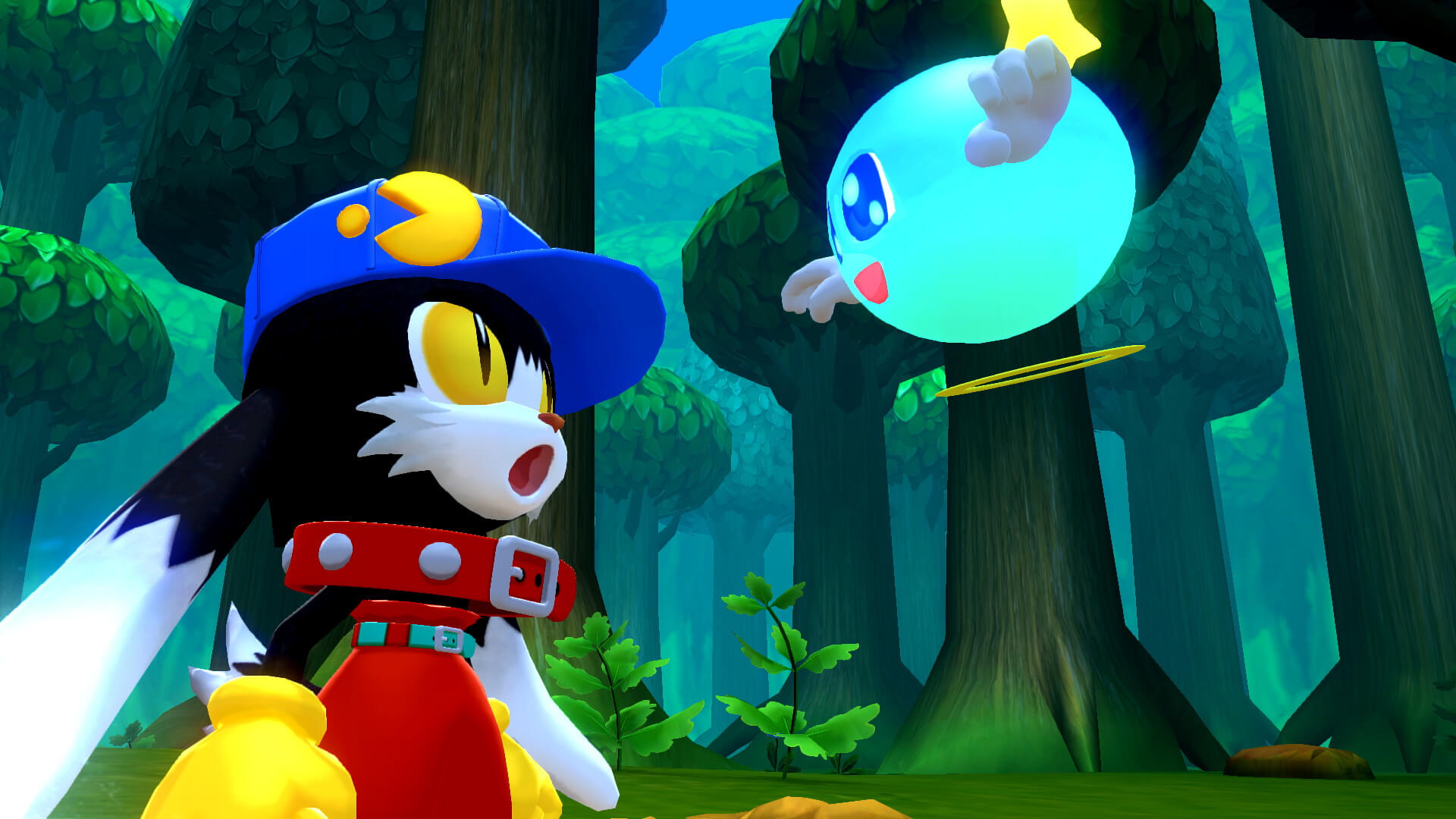
Klonoa Phantasy Reverie Series includes the first two Klonoa titles, Door to Phantomile and Lunatea’s Veil. Originally released on the PS1 and PS2 respectively, these 2.5D side-scrolling platformers have been fully remastered to coincide with Phantomile‘s 25th anniversary, giving both games a modern coat of paint and a handful of quality of life improvements to make things more palatable for today’s players. Both games involve traversing a variety of dreamlike 3D environments on a 2D plane – you’re only ever moving from left to right, but Klonoa is able to interact with enemies, collectables and switches in the foreground and background, which allows for some unique pathways and puzzles that need to be dealt with in order to complete each level. Klonoa only possesses a couple of abilities (jump, flutter in mid-air, and catch/throw enemies) so there’s nothing too taxing to deal with, although a little bit of experimentation and / or careful platforming are required to reach some of the more well-hidden nooks and crannies.
Both games in this collection are fairly short – Door to Phantomile can be completed within a few hours, while the slightly higher difficulty and more elusive collectables of its sequel make Lunatea’s Veil a little more lengthy. The overhauled visuals bring the game to life in ways that the original fuzzy polygons could never quite achieve, but the rather limited gameplay (by today’s standards, at least) means that it’s still a very old-school experience. Hopefully this collection will bring new eyes to an oft-forgotten series – great fun for those with a fondness for the games of yesteryear, and it would certainly be great to see later games in the series receive similar treatment in the future.