CERT: 12 / DIRECTOR: RICHARD LESTER / SCREENPLAY: CHARLES WOOD / STARRING: MICHAEL CRAWFORD, JOHN LENNON, ROY KINNEAR / RELEASE DATE: OUT NOW
Think of director Richard Lester and it’s very likely that A Hard Day’s Night, Help or Superman II spring to mind. Take a gander at Lester’s back catalogue and one will find it to be littered with stone cold genre classics, made with such notable luminaries as Spike Milligan and Peter Sellers, Sean Connery and Audrey Hepburn. Amongst the hits, there are sadly a great many misses. How I Won the War sits guarding that latter camp.
Scriptwriter Charles Wood based the film on his (banned) stage play Dingo, borrowing heavily from its themes and characters to provide what Lester called an ‘anti-anti-war film’. This, Lester insists, meant he set out to critique the war film and provide audiences with a narrative that shows how the concept of war is profoundly at odds with the basics of humanity – whether the war film is showing ‘good’ or ‘evil’. Unfortunately, this grand vision does not exactly play out on screen.
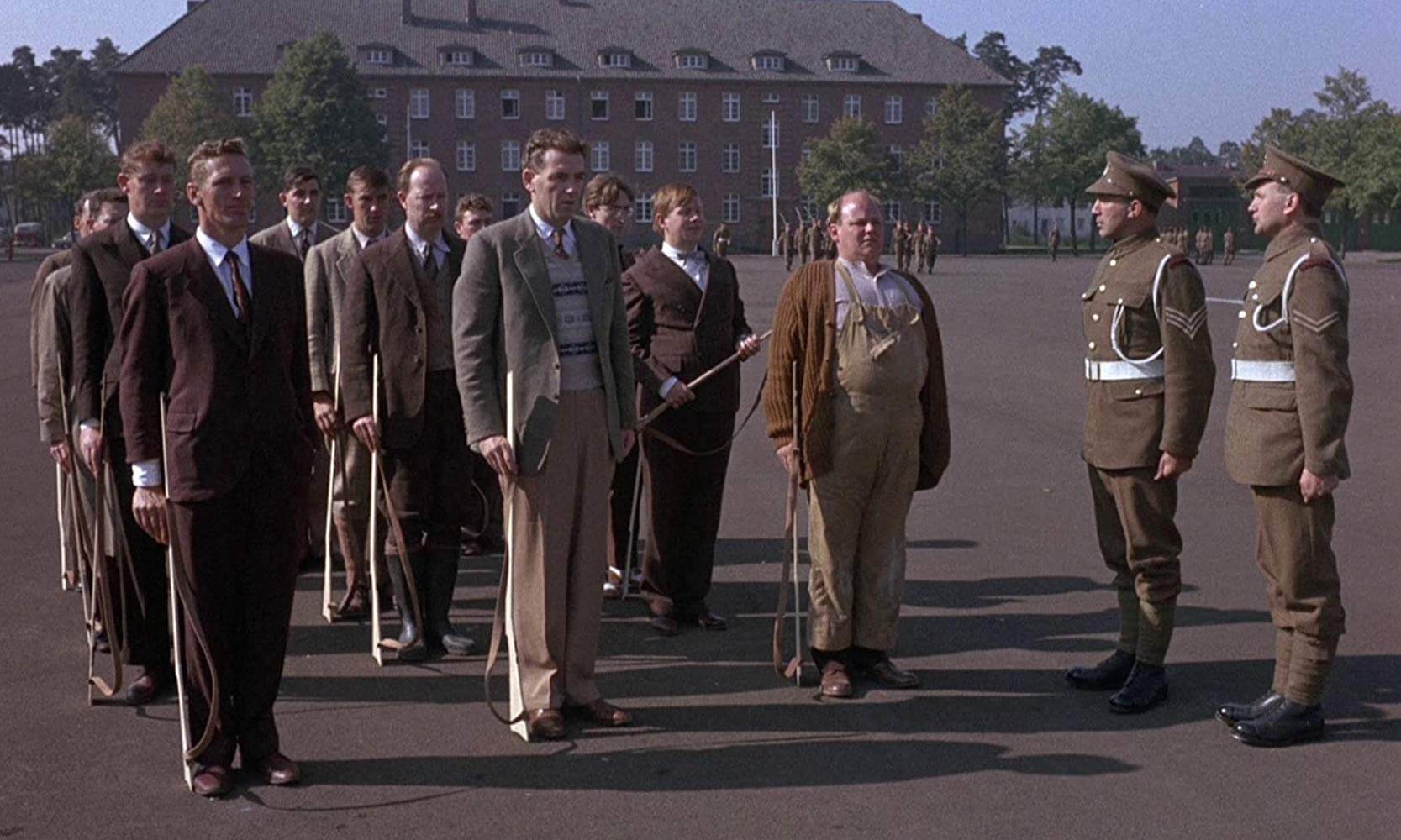
In brief, 3rd Troop, the 4th Musketeers, are charged with setting up a cricket pitch behind enemy lines during the Second World War. Michael Crawford heads up the regiment as Lieutenant Earnest Goodbody, a proto-Frank Spencer, so inept as a commander that his regiment often try to kill or rid themselves of him. While the film is packed with the cream of British TV and stage talent, the most notable player is a Mr J. Lennon of a hit beat combo of the time. This is his only serious acting role outside of The Beatles’ movies and certainly a small role at that, not that you would think it, as after the film’s release and critical mauling his face was plastered all over subsequent releases to coin in a little more cash off the back of the Fab Four’s popularity.
It is often posited by reviewers that a film is ‘all over the place’, but it is this film for which that phrase was probably coined. The problem is not in the comic stylings of the film nor its absurdist and avant garde portrayal; it is that it throws every one of the aforementioned tropes at the screen hoping something will stick. Here we see documentary, straight to camera, parody, pratfalls and ‘pithy’ one-liners, all coupled with Sassoon-esque dialogue, to the point where it becomes incredibly jarring and looks like an incoherent mess, unequipped to express the grand intent of its director.
Perhaps this is too ‘of its time’ for a modern audience, or maybe we’re missing the point. Either way, this is destined to remain a curiosity piece for Lennon aficionados. Stick to Lester’s masterworks, even perhaps Robin and Marian.