This collection of hard-hitting dramas from legendary director Sidney Lumet showcases a triumph of cinema and the power of storytelling.
Australian boutique label Imprint has made a great name for itself with collectors, and this set only adds to that reputation. Lumet is a director whose output spawned many genuine classics. And there isn’t a dud among the six included here.
The most famous, perhaps, is the Al Pacino-lead Serpico (1973), which is based on the true story of an NYPD cop who doesn’t like the underhand dirtiness of the force and testifies against his colleagues. It’s still as brutal as it was when released, and naturally, Pacino is mesmerising as the titular hero.
The Offence (1972) sees Lumet in England with a very psychological drama about a detective (Sean Connery) who kills a suspected child killer (Ian Bannen) in custody. Working backwards, we see how Connery’s character’s mental state plays a massive role in his eventual actions. The UK setting makes it all the more gritty, and it’s full of bleak housing estates and a genuinely tense atmosphere.
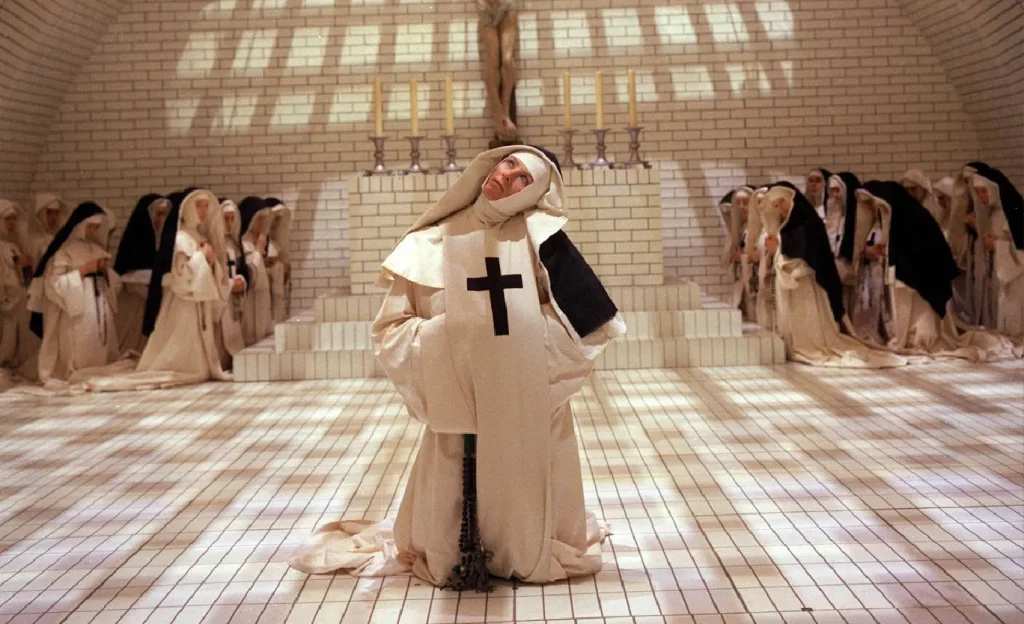
Child’s Play (1972) has nothing to do with a talking doll but instead centres on a strict Catholic boarding school, where newcomer (and former alumni) Beau Bridges tried to understand the spate of violent incidents that were occurring. His former teacher and friend, Dobbs (Robert Preston), is empathetic and approachable, while the Latin master, Malley (a fantastic James Mason), is bitter, dogmatic, and believes Dobbs wants him out so he can take his job. The film is less a mystery but more compelling as a brooding drama that occasionally borders on manipulative horror.
The Deadly Affair (1966) also has a standout performance from Mason, this time as a version of the George Smiley character from The Spy Who Came in from the Cold (Paramount owned the rights to the name), as this is adapted from author John le Carré’s first novel. He searches the London streets for seedy characters to help his investigation into the apparent suicide of a Foreign Office official. It’s impressively compelling and has aged rather well. It also boasts a great cast of British character actors.
The Group (1966) is less thrilling but contains no end of drama. Following a clique of girls from graduation to middle age, it’s a fabulous look at jealousy, backstabbing, and liberation. The ensemble (which includes Candice Bergen, Joan Hackett, and Jessica Walter) is superb, each possessing a different, relatable (if sometimes annoying) personality. It’s a bold piece that makes the most of its female cast and is only let down by the somewhat dated staging.
The earliest movie in the collection is 1964’s The Pawnbroker, in which Rod Steiger’s titular character attempts to live a quiet life in New York after surviving the Holocaust. The bleak but crisp black-and-white photography matches the film’s tone, and it’s a powerful amalgamation of acting and direction that respects the subject matter while keeping the drama on point.
Containing a mix of well-known and lesser-known titles, Volume 1 of the Lumet collection doesn’t have a duff film. Where it’s let down is in the special features department. Only a few discs boast commentaries or extras, but there are a few gems in there, including a bonus disc with a feature-length documentary about Lumet and his work.
Watching these films is a masterclass on cinematic excellence. Unmissable.

DIRECTED BY SIDNEY LUMET, VOLUME 1 is out now from Imprint.