Adapted for television from Pamela Sykes’ 1973 novel, Come Back Lucy reflects many themes common to children’s literature of the era. Produced for ATV in 1978, the six-part series has a decidedly melancholic atmosphere. The story takes the tropes of a traditional Victorian ghost story, adds in elements of a classic time-hopping adventure, and blends both into a drama that touches on the themes of childhood loneliness, and the awkwardness that can accompany the transition to adolescence. If that all sounds quite ambitious, Come Back Lucy pulls off the combination very successfully.
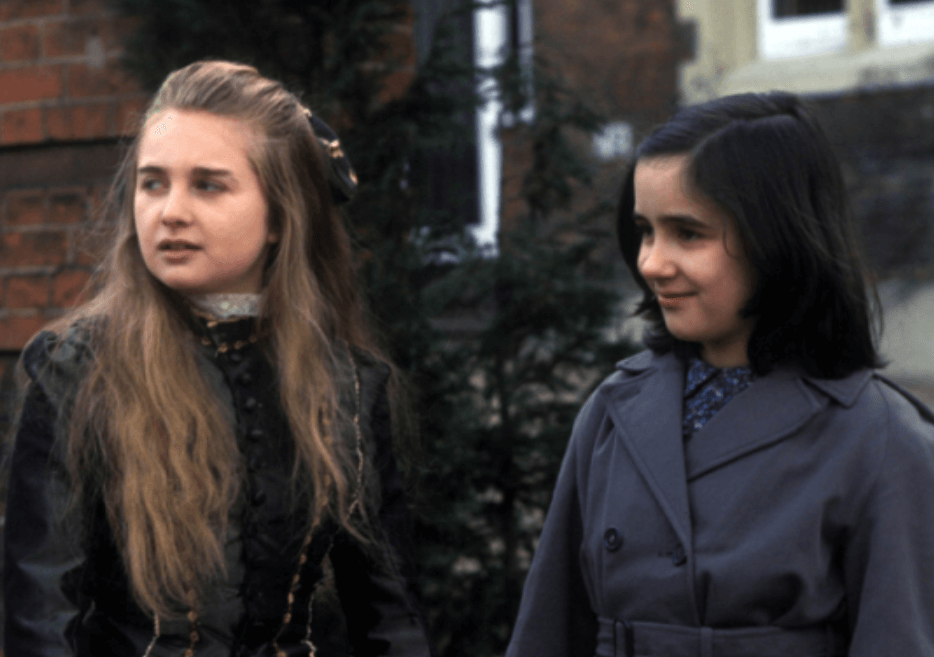
When her kindly aunt dies, the grieving young Lucy is fostered in her cousins’ family home. The household is loud and a little chaotic, and a place where progressive, liberal parents give Lucy’s three extrovert cousins great latitude. Lucy feels out of place and unwanted. When she glances into an old mirror in the attic she finds herself transported into the house’s history and into the company of Alice, a precocious Victorian child. Lucy is initially pleased to have found a secret, mischievous friend. But Alice becomes more insistent about Lucy staying with her permanently, just as Lucy recognises that her new family truly cares for her. As Alice’s mood darkens, Lucy risks losing control over her own fate.
With a strong ensemble cast, and great performances from the young female leads Emma Bakhle (Lucy) and Bernadette Windsor (Alice), Come Back Lucy is both an entertaining and at times a disconcerting watch. The challenges of loss, alienation and disconnection are all prominent in what’s a pleasingly unsettling example of 1970s’ kids’ teatime fantasy fare. Some interesting talking-head special features complete this package.
COME BACK LUCY: THE COMPLETE SERIES is available on DVD from NETWORK