Burn, part of this year’s Edinburgh International Festival, is an attempt to reveal more about the Scottish National Icon Robert Burns, performed by X-Men star and Scottish National Treasure Alan Cumming.
At 57 years old, some twenty years older than Burns was when he died, Cumming brings passion, gentility, and anger to this attempt to unravel the complex story of a man whose life has been sanitised for popular consumption. Robert Burns’ life and work are irrevocably entwined in the Scottish National Identity, and as well as his own legacy of work, his writings and ideas influenced generations of Scottish writers and poets.
This examination of Burns’ life is brought to life in an exceptional and often challenging piece of storytelling, which is epic in the scale of its ambition. Ongoing research into Burns’ life and work is allowing his legacy to be re-examined in the light of new understandings of mental health, and how Burns appears to have experienced what we would probably now refer to as depressive episodes. It’s by using that research as a key point of re-contextualisation that this production has come to fruition, several years after Cumming first conceptualised the idea.
Your understanding of Robert Burns very much depends on where you’re coming from: the stated aim of this project is to ‘challenge the “biscuit tin” image of Robert Burns’ – a mission in which it surely succeeds.
Burns’ story isn’t neat and simple, although certainly outside of Scotland that is often how it is presented. As Burn opens, that perceived simplicity is represented by an almost bare space, with merely a bare desk and a pile of papers on stage. By the end of the performance, chairs and papers are scattered, other props litter the stage, and the pile of papers has been transformed into a representation of Frances Anna Dunlop, the Scottish heiress and distant relative of another Scottish icon, William Wallace.
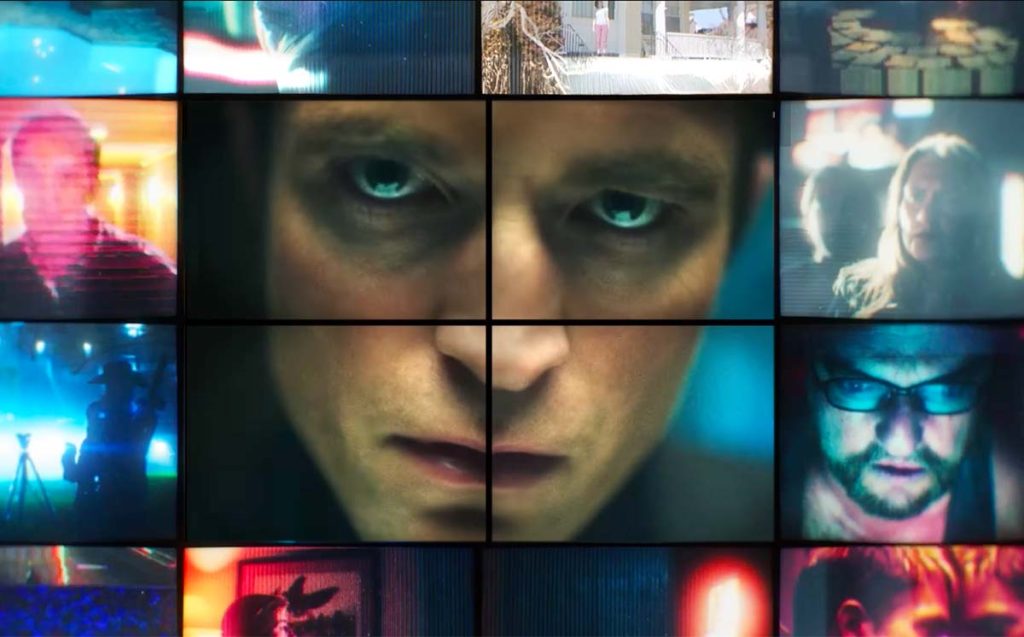
In terms of the technical aspects of the performance, this production is astonishing: automation, video, lighting effects, and some good old-fashioned theatrical trickery combine in a classically Scottish mode of storytelling, where the story we’re being told is placed before the audience, with any concerns for the traditional boundaries of medium ignored. Like Burns’ life, this production isn’t perfect – it’s occasionally messy and scrappy, and there are a few moments that feel disjointed. But this will always be the case when you try to cram all of the events of one man’s life into one hour of theatre.
Cumming addresses the audience directly, and somehow manages to make the enormous stage of the King’s Theatre feel intimate, and never empty.
His performance is superb throughout, as he blends Burns’ own words into a tale of poverty, riches, love, lust, rejection and acceptance. In the final moments of the performance, after the first round of applause, Cumming steps in front of the now closed curtain, sits on the edge of the stage, raises a glass of whisky, and recites the first verse of Auld Lang Syne. It’s a spine-tingling moment at the end of sixty minutes of emotive and emotional theatre, and it completely reclaims a verse that is probably best known in the UK for being sung raucously, and without thought for the meaning of the words, just after the bells of Big Ben ring in the new year.
Whether you will enjoy this very much depends on how you feel about slightly avant-garde theatre, told through movement, verbatim poetry and prose use, and an incredible soundscape. If that sounds like the sort of storytelling you enjoy, then this comes highly recommended. At a time when Scotland is asking who it is as a country, and, perhaps more pressingly, who and what it wants to be, this rollercoaster ride through Burns’ life forces us to ask ourselves how much complexity is sacrificed from a person’s story to make that person an icon, rather than just a man, and to what extent a personal story can become that of a nation.
Photo credit Tommy Ka-Gen Wan.