PLATFORM: PC, PS5, XBOX SERIES (REVIEWED) | RELEASE DATE: OUT NOW
FBI agent Saga Anderson and her partner Alex Casey are called to Bright Falls, a small coastal town in the Pacific Northwest, to investigate a series of ritualistic murders. The victims had all disappeared in 2010, although their recently-deceased bodies have been found at various times over the intervening years. One of the agents’ first clues is a typed manuscript page that details their very own investigation – details that nobody else could possibly know. Nobody, that is, except Alan Wake, a famous author trapped in the otherworldly Dark Place after the events of the first Alan Wake game all the way back in – you guessed it – 2010, desperately writing and re-writing story after story in an attempt to escape this twisted realm where fiction becomes reality. Throughout the game, Wake and Anderson’s stories intertwine in the sort of mind-bending ways that are rarely seen outside of David Lynch’s finest tales, but the finer details are best left for you to discover yourself – much like Lynch’s classic Twin Peaks, it’s best to go into Alan Wake II as spoiler-free as possible.
Both protagonists’ stories are played separately, with players choosing which order to play through the game’s 19 chapters. Saga’s chapters, based in the real world, are heavy on narrative, with bizarre events unfolding one after the other. By piecing together evidence in her “Mind Place”, she gets closer to separating fact from fiction but learns a few uncomfortable truths along the way. There’s a hefty amount of exploration to be done across three small but densely-packed (and incredibly beautiful) locations, and there’s surprisingly little combat, although cultists and “Taken” (entities from the Dark Place) will need to be dealt with throughout the game.
Meanwhile, Alan’s chapters are set in the Dark Place, an alternate version of New York City. The emphasis here is more on puzzle-solving than exposition, redistributing light between different sources and using Alan’s “Writing Room” (his version of Saga’s Mind Place) to “re-write” scenes, changing the world around him to access new areas. Both Saga and Alan’s stories are impeccably written, and while both are given some standout moments, Alan is afforded one of the most unexpected, crazy, and most importantly well-done sequences in gaming history. That might sound like an overstatement, but seriously, there’s nothing else quite like it. Absolutely jaw-dropping!
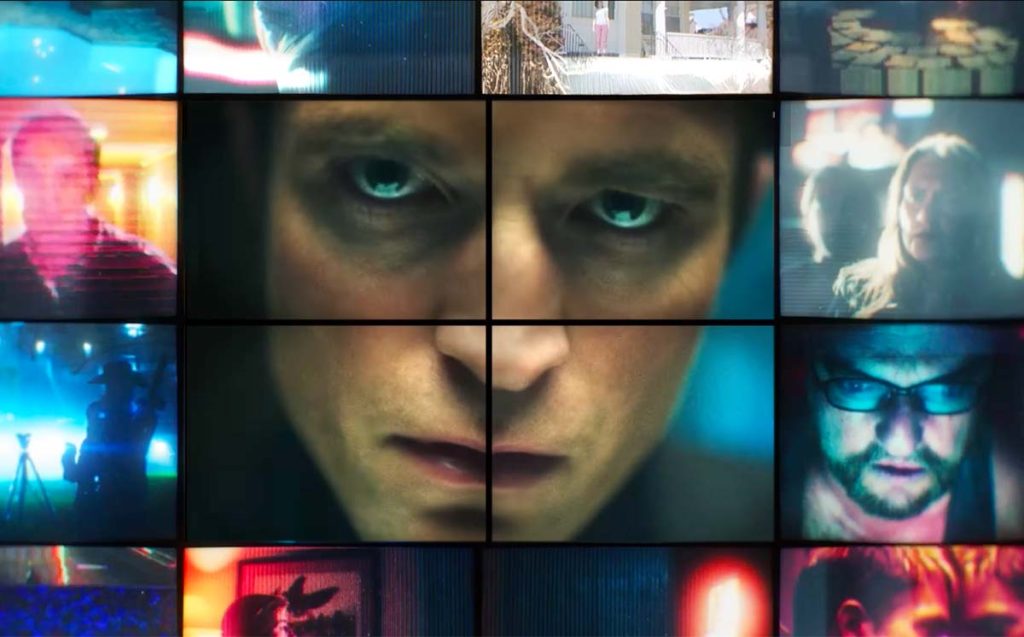
Alan Wake II feels like playing a cross between a supernatural horror movie and a noir thriller, with visuals that very much add to the cinematic atmosphere. More realistic than anything else seen on consoles so far, scenes featuring real life actors regularly appear throughout the game, with their CGI counterparts looking almost uncomfortably close to the real thing. Two gripping storylines, magnificent art direction, tense survival horror gameplay and a couple of particularly outstanding chapters unquestionably make this a must play, and for those who have been following Remedy’s “connected universe” since 2010 (including the original Alan Wake and 2019’s Control), the links between all three mean this is absolutely essential.