PLATFORM: PC, PS5, XBOX SERIES (REVIEWED) | RELEASE DATE: OUT NOW
Souls-inspired games have become fairly common in recent years, with many taking inspiration from Miyazaki’s masterpiece to varying degrees of success. One such title was 2019’s Remnant: From The Ashes, which looked to shake up the tried and tested Dark Souls formula by incorporating gunplay into proceedings, although many of its ideas didn’t quite sit together as comfortably as many had hoped. Its sequel, the imaginatively-titled Remnant II, goes to great lengths to smooth out some of its predecessor’s rough edges, but might leave players wanting more when it comes to its much-touted “endless replayability”.
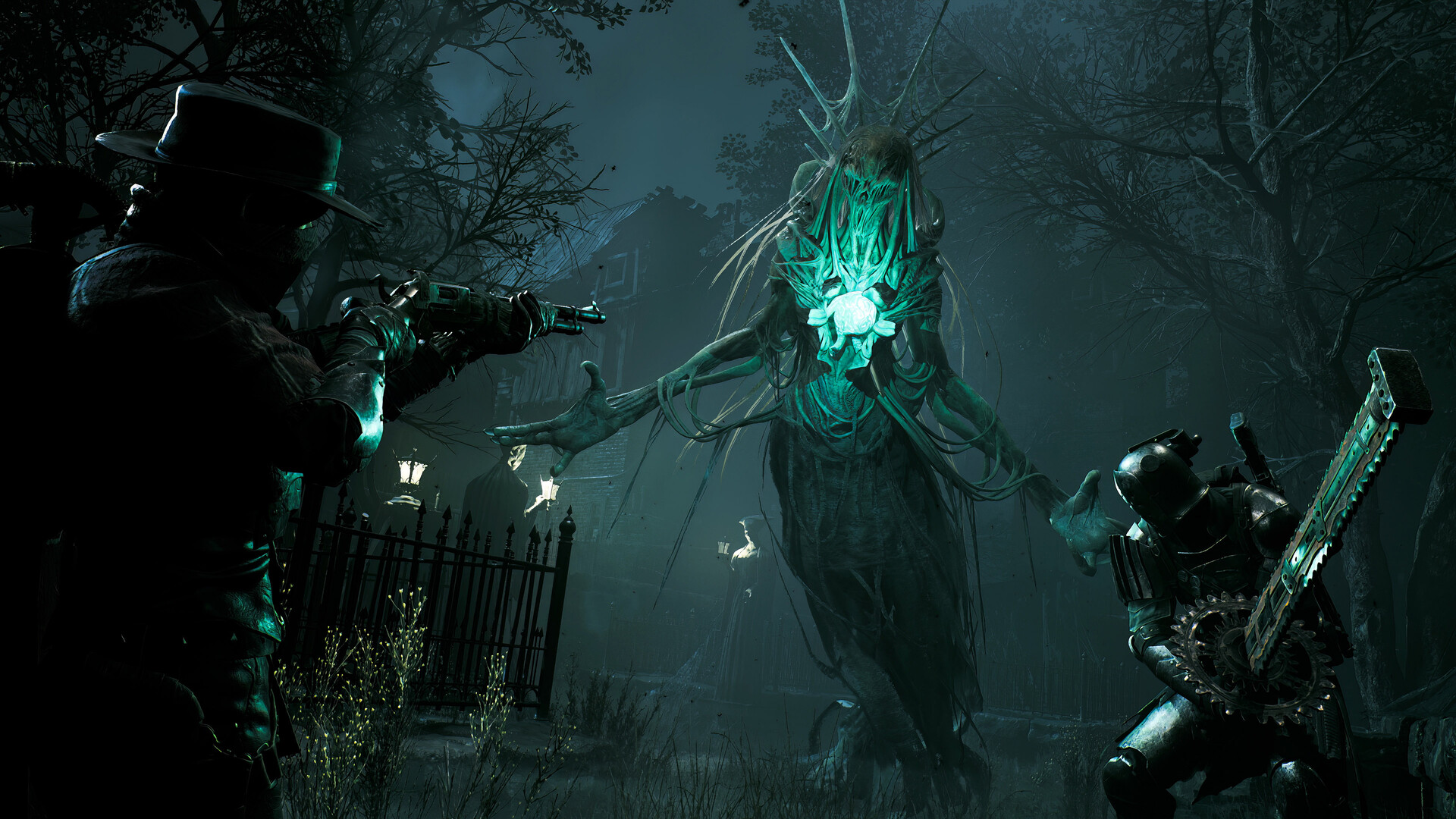
Set in a post-apocalyptic wasteland, you’ll visit three main areas during your adventure, each containing around half a dozen or so dungeons. Thanks to some behind-the-scenes procedural generation, the order that you arrive in each area is randomised each time you start a new game, as are the dungeon layouts and the assortment of enemies that reside within. All of the game’s story-related objectives are perfectly achievable in a single playthrough, but there are countless hidden areas and secrets that take multiple runs to discover, with multiple difficulty settings increasing your chances of scoring high-level loot to make dispatching the assortment of otherworldly creatures a little less stressful.
Your first task is to choose from one of five “archetypes” which dictate the skills and perks that are available to your character (with at least five more becoming available later in the game, if you’re able to figure out where to find them). Whichever archetype you choose, you’ll soon reach a point where the game allows you to combine the attributes of a second archetype, giving you the opportunity to mix and match skills to best fit your playstyle. As your character levels up, traits are unlocked that boost your abilities even further, and the variety of guns and modifications that you gain access to allows for plenty of creativity in the way you build your character.
The original Remnant was often described as “Dark Souls with guns”, which still rings true in the sequel, although the difficulty level here is much more manageable than many other Soulslikes (at least when playing on the game’s recommended starting difficulty). If you take the time to explore, you’re likely to see the final credits within around 20 or so hours, after which you’re able to revisit previous areas to seek out any missed secrets or re-roll the world as many times as you like in the hope of finding additional dungeons that didn’t appear in your previous game. Or you could bump up the difficulty and aim for the high-level loot, although one drawback to this is the rather low cap on how far you can upgrade your abilities – when you’ve reached the limits of your preferred archetypes’ abilities (which is likely to happen by the end of your first run) there isn’t anything else to really aim for in terms of character progression, and much of the loot that’s on offer – despite giving you access to some rather nifty mods and powers – can unfortunately seem a little underwhelming. You may even find yourself sticking with your starting weapons for the entire duration of the game…
Remnant II‘s supremely enjoyable campaign and weighty gunplay make it well worth the effort, although it does fall down slightly in terms of replayability. It’s still early days though, and we’ve all seen how things can change as player feedback informs a game’s future updates. If Gunfire Games can introduce something to increase the game’s longevity then we’d certainly be looking at a surefire 5-star classic.