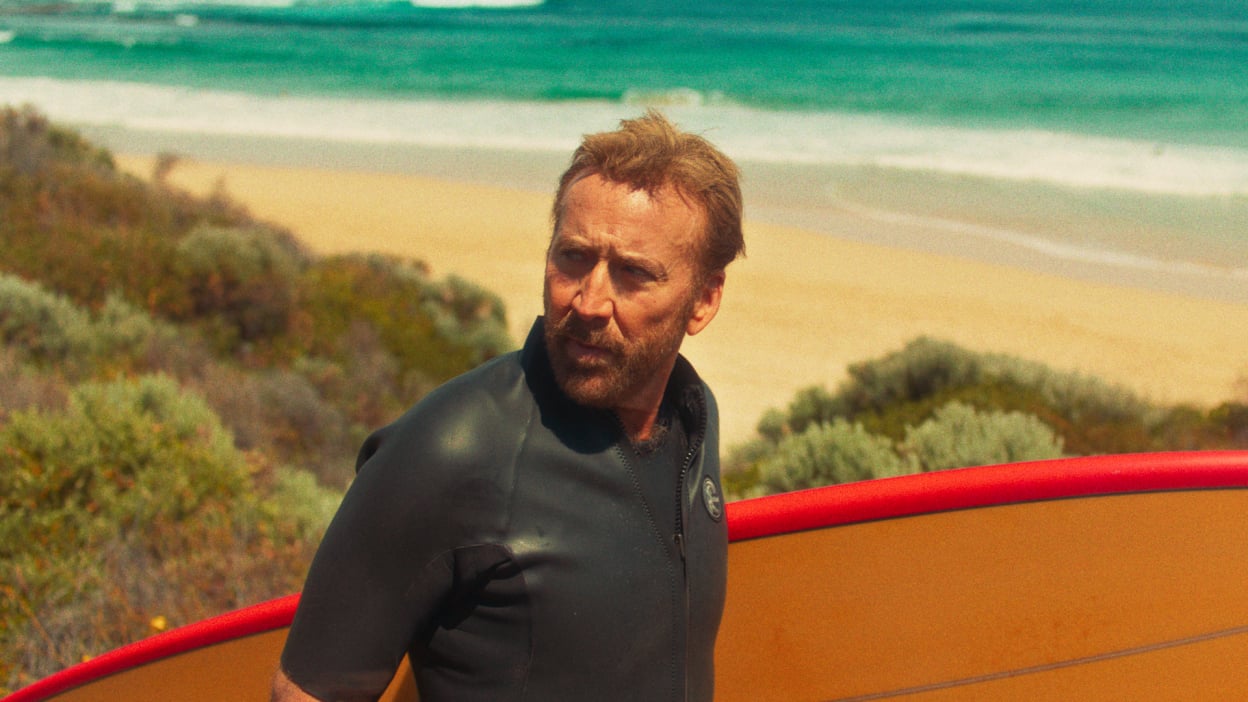
In a recent interview, filmmaker Lorcan Finnegan opened up about the creative choices behind his latest project, The Surfer, a psychological thriller that dives deep into themes of isolation, identity, and the fragile nature of masculinity. Known for his atmospheric storytelling and sharp social commentary, Finnegan has crafted a film that contrasts the untamed beauty of Australian nature with the unravelling psyche of its protagonist, played by none other than Nicolas Cage. It’s a story about a man trying to piece together his fractured identity while the world around him shifts and crumbles — a fitting metaphor for a life caught between nostalgia and harsh reality.
In our conversation with the filmmaker, Finnegan discussed the challenges of capturing this experience on screen, the power of casting an actor as iconic as Cage, and the dark allure of nostalgia that threads through the thriller. Read on for a deep dive into the making of The Surfer and the rich themes woven into its sun-soaked, sand-scoured frame.
The film explores themes of isolation, identity, and psychological erosion, all set against a backdrop often associated with freedom and tranquillity. Did you intentionally play up that contrast, and what inspired this approach?
Lorcan Finnegan: The story itself really inspired everything. The script and characters drive the world you have to create, and that world needs to feel real. It’s about finding a location and visual language that conveys that subjectivity, where the audience experiences the film through the main character’s experience. For example, if Nicolas Cage’s character starts becoming dehydrated, delusional, and confused, the audience should experience that too.
The landscape plays a huge role in this. We chose a location that was both idyllic and menacing — turquoise waters, golden sands, but also with its tangled, dry, and at times violent nature. Even the soundscape reflects this, with the low, anxiety-inducing pounding of the waves. It’s about bringing the audience on the same psychological journey as the character, pulling them into that unravelling mental state.
Speaking of Cage, his casting feels particularly potent. He brings a kind of mythology and history to the role. Did his involvement shape the narrative, or was the character already fully formed?
Lorcan Finnegan: The role was largely formed before Cage came on board, but obviously, his presence changes it. I remember reading the script and picturing him in every scene — it felt like a perfect fit. The role required a broad range, from drama to comedy to action, and he can pull all of that off.
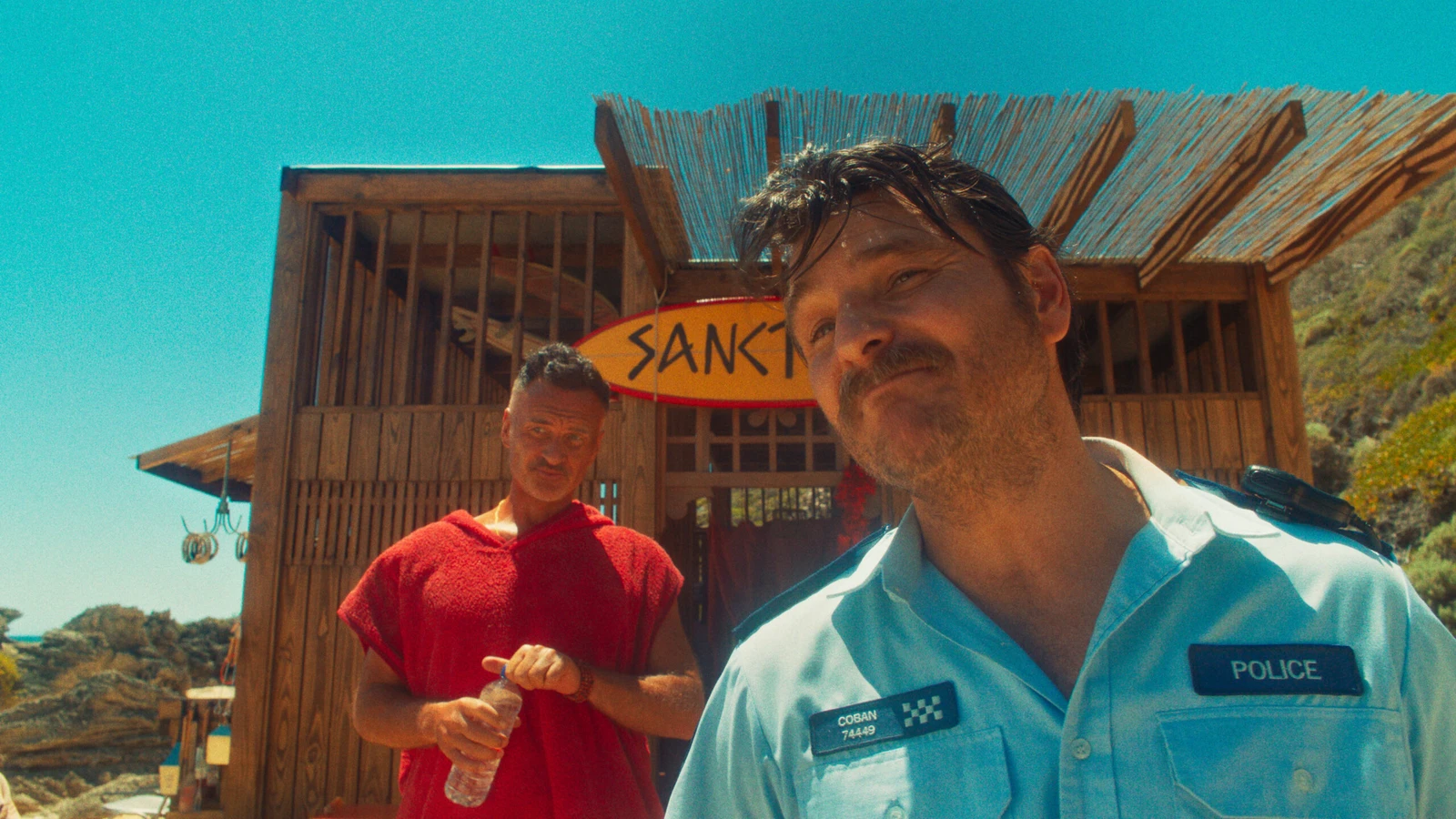
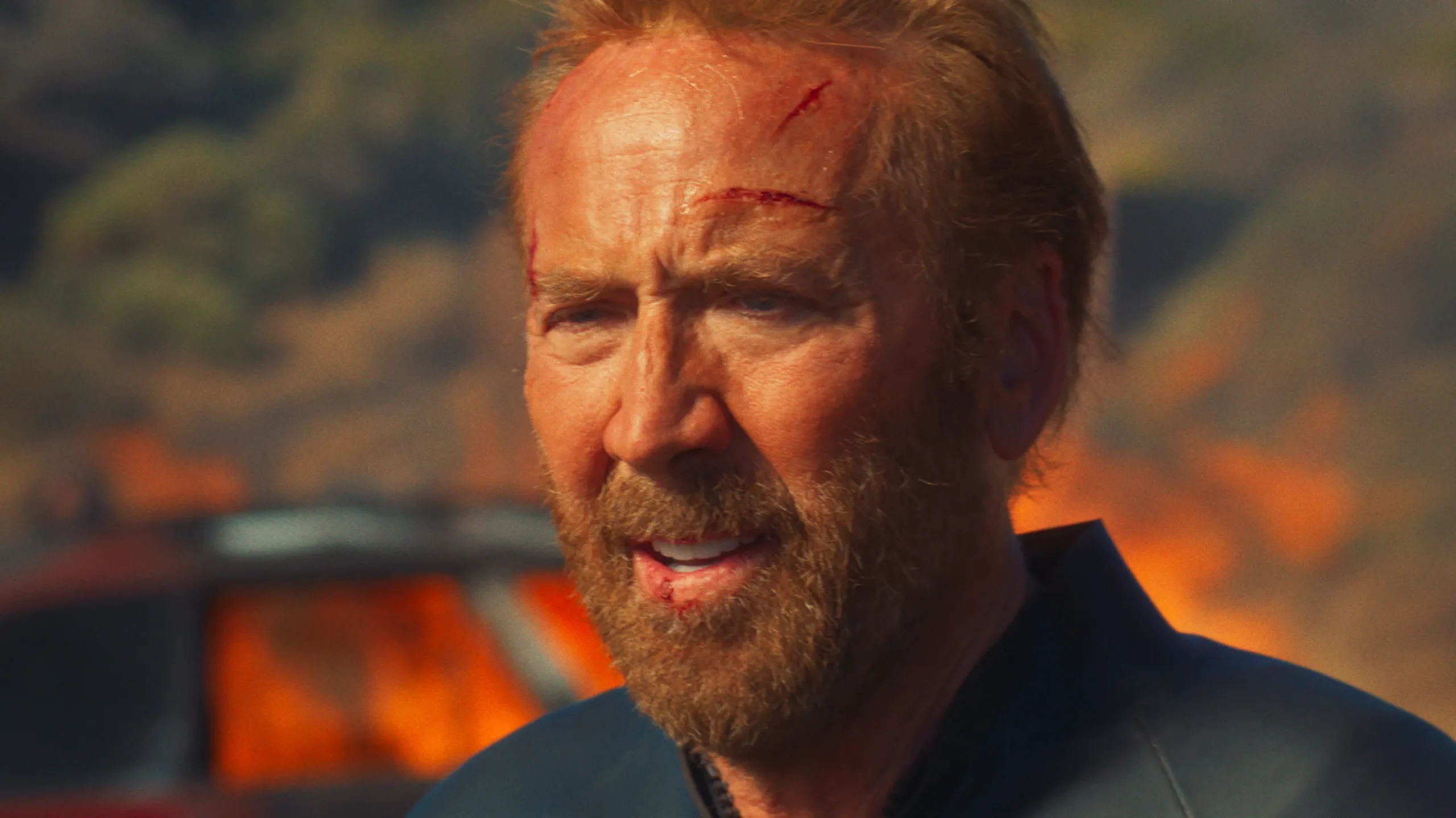
I also wanted someone with an interesting, expressive face, because we use a lot of long-lens shots in the film. I even asked the actors to grow out their nasal hair, ear hair, and eyebrows! The idea was to use their faces as landscapes, contrasting the physical setting with these raw, unfiltered portraits of masculinity.
Do you see Cage’s character as a tragic figure or more of a cautionary tale?
Lorcan Finnegan: It’s more of a character study. He’s a man in his 50s, relationships crumbling, trying to hold onto material things like cars and watches, thinking they’ll fix everything. He’s chasing a nostalgic dream, thinking that buying a house will repair his family, without realising the deeper issues. And he’s imposing that on his son too, in his desire for his son to have the same experiences he had growing up.
There’s a Jungian journey here, stripping away materialism and his ego to confront the shadow self. He loses everything, only to come out the other side with a clearer understanding of what he truly needs, rather than what he thought he wanted at the beginning of the story. As a character, he’s an optimist and a dreamer, but it’s also his downfall.
There’s a strong sense of nostalgia in the film. Does this extend to a critique of traditional masculinity, especially given the tension between primal, tribal masculinity and more constructed, performative versions?
Lorcan Finnegan: Absolutely. The film explores masculinity in crisis, but from a contemporary perspective. Julian McMahon’s character is like a modern influencer type — someone who taps into primal, masculine instincts but then returns to the office. It’s a more subtle, coercive kind of masculinity compared to the raw, physical portrayals you’d see in New Wave Australian films like Wake in Fright.
We didn’t want to condemn this entirely but rather explore it from multiple angles. There’s this idea of men looking for belonging, for a sense of identity, and often finding it in figures who are manipulative and charismatic, but who have these philosophies promising clarity and power. These guys want a leader; they want someone who tells them what to do and how to think, so they can be in this club together.
It’s interesting, from a primal perspective, that these tribal, masculine gatherings are almost required for this group of people. They can play nice with their lovely families when they’re public-facing, but there’s this dark underbelly to society, especially among men, that we’re exploring in this film.
The film also touches on themes of belonging and identity, especially in the context of place and ownership. How did you approach this?
Lorcan Finnegan: That theme emerged naturally. There’s a sense in the film that no one truly belongs there, despite their claims to the land. It’s a subtle nod to Australia’s colonial history. Miranda Tapsell, an Indigenous Australian actress, plays the only character who genuinely belongs in the setting. She’s the only one who offers Cage’s character any kindness, even as she tells him he doesn’t belong there. But everyone is claiming ownership of this beach, even if none of them truly belong there.
We trimmed back some of the more overt references to colonisation and Indigenous erasure in earlier drafts to keep the focus tighter, but that undercurrent is definitely there.
THE SURFER will be released in UK and Irish cinemas from 9th May.