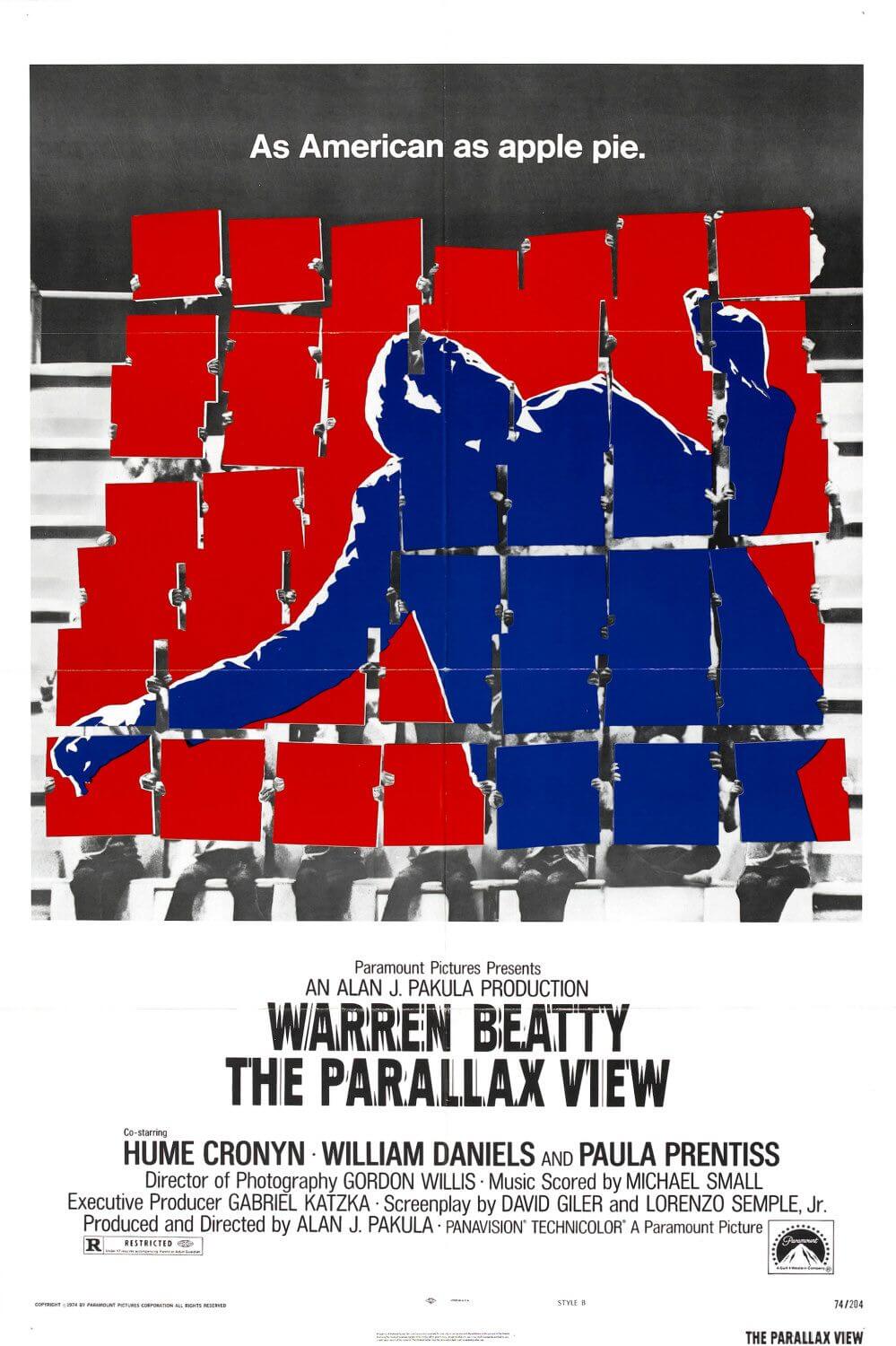
In early May, Cinema Paradiso Recordings presented the first-ever vinyl pressing of Michael Small’s score for the 1974 political thriller The Parallax View. Notably, the new reissue features the complete audio introduction to the ‘Parallax Test’, one of the film’s most striking set pieces, To secure that audio, the company needed to secure permission from whomever voiced it, but the mysterious voice was unknown until Cinema Paradiso reached out to writer and producer Jon Boorstin who at the time, worked as director Alan Pakula’s assistant.
It was Boorstin who revealed that the dialogue was spoken by director Pakula himself, a fact little-known for nearly 50 years. Thus, we reached out to speak with Boorstin about his work on the film and this new vinyl release of the score.
STARBURST: Working as the assistant on the film – what did that entail for you, in terms of your involvement in the creation of this film?
Jon Boorstin: I was getting paid a $50 a week as AFI intern and I was watching Gordon Willis shooting, who just shot The Godfather and they wanted him to now shoot The Godfather of political thrillers. As the intern, you sit around and you learn. You’re supposed to watch, but you have no responsibilities, which is a difficult thing to be on a movie set because everyone’s standing around and they have a lot of responsibility and they’re very proud of what they do, so you’re just watching them watch what’s going on and that creates a certain amount of, say, aloofness on their part.
I had trouble breaking in, getting people’s attention, until Gordon Willis decided that I was a good, careful watcher and he befriended me a little bit and then I became part of the camera crew and helped. I could watch with them. We were up in Seattle and the first the thing we did together was we went to see Deep Throat. That was just in the theaters. This is before video, of course. So it was interesting to watch Gordon watch Deep Throat because you see, he was learning something from what he was going to use, if not in our movie and the next movie.
I was completely innocent about that, but I loved documentary films, so I had an experience with filmmaking on a much simpler level. It was a fascinating experience and it opened my eyes to what Hollywood could do, but it was also actually famously chaotic. Gordon ended up saying that it was the most chaotic movie he’d ever worked on because it was shot during the writer’s strike.
That must have been hard…
They were rewriting the movie and they had half a script! That will generally create chaos. The script supervisor, for instance, will give the scenes ‘X’ numbers, which meant she didn’t know where they would go on in the movie, which can confuse everybody, including the editor.
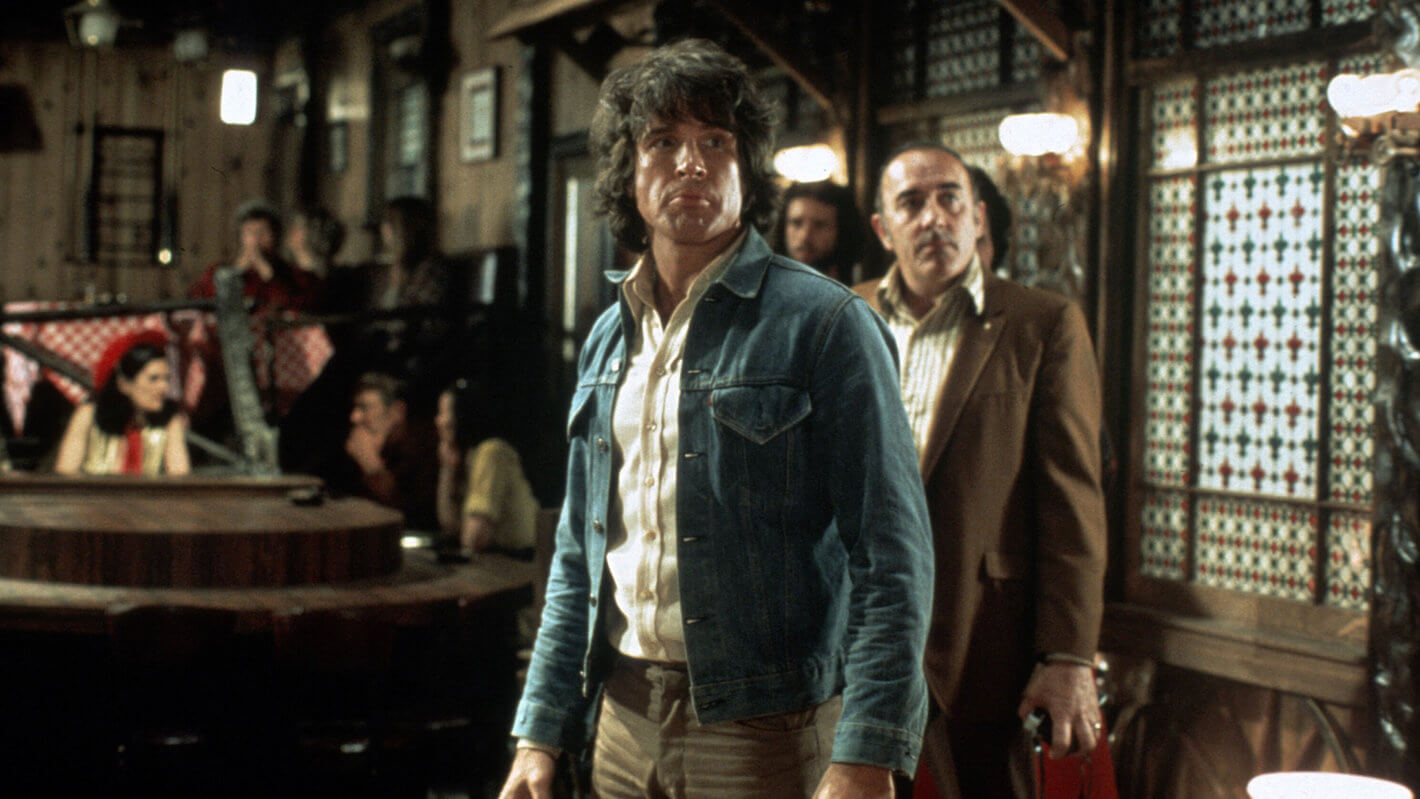
In spite of all that, the movie came together pretty well, and it has a life. Pakula had this gift, he actually thrived on chaos and pulled it together and found it, partly because the movie itself was about disorientation and being lost and the paranoia. We were living through it in our own way. They would sit around – sometimes for hours – during the morning while the thing was being rewritten and then they would shoot it. They couldn’t stop shooting because Warren Beatty was on pay or play, which meant they had to pay him no matter what. He wouldn’t let them delay and rewrite the script. He said, “Well, we’re shooting now,” so they had to shoot it while he was available and were around him, which they did anyway.
The whole chaos behind it does seem like it fuels the mad energy. It is a film that really never stops.
Yes, one thing that Gordon Willis realised that was the only way that movie would work because it wasn’t structured well enough or strong enough to stand up if you stopped and waited and thought about things too long. There’s something that Hitchcock called refrigerator logic, which is: you get up in the middle of the night and you go to the refrigerator for a glass of milk, and you say, “You know, why didn’t she just call the cops?” Hitchcock’s answer was, “Well, if she called the cops, it wouldn’t have been a movie,” so it was a little bit of that going on in this movie too. Nonetheless, it has the momentum and what Alan had the great ability to do was create a kind of zeitgeist. He captured a feeling that was in the air. That was very important and, and oddly enough really, really resonates today. Remember, this is early ’70s. This is a very paranoid time. John F. Kennedy had been killed. his brother had been killed. Martin Luther King had been killed. Freddie Hampton had been killed. Malcolm X had been killed, and there was never really a good explanation of why these people did it. You never felt you really understood the real story.
There’s a scene where Warren Beatty opens a drawer in the dead Sheriff’s house and he sees in it, the application for the Parallax Corporation and that’s going to start the whole plot going, because he tries to join that as a killer. While we were shooting that scene of him, seeing that set, we were watching Richard Nixon with this big stack of blue folders, which are the transcripts of his tapes, saying “I am not a crook” on TV. That was the environment we were working in with Alan. What Alan managed to do was find a way of taking the feelings we had there and making them about something that was fantastical enough and fictional enough that we could give ourselves up to those emotions without being crushed by them.
That was one of the things we were going to ask but you just addressed it very well: the idea of filming a movie about political assassinations coming after a decade where there were so many. We hadn’t even thought about the idea that you’re shooting it in another politically-fraught environment and what that might bring to it.
What we were describing was really wacky, when you think about it, but also very real and Alan was very conscious of that. He didn’t want to make it political in the sense of being left wing or right wing. If you notice, one of the people who’s assassinated in the beginning could have been a John Lindsay, a liberal mayor type guy who’s up on the Seattle tower, but then the guy was shot at the end is a sort of Southern cracker, Texas redneck guy. The implication here is the Parallax Corporation doesn’t have politics. It’ll just kill whoever they want to kill. They’re there to do their job and they do it well, so there’s this brooding thing outside this organising and running our lives in spite of ourselves which is it what it felt like at the time.
They just put out the vinyl of the score and Michael Small had a great option for music, because what you’re trying to do is convey a kind of a certain kind of thing, you know? It’s a complicated emotion because – don’t forget, this was at the end of Vietnam. We were living through the disaster of Vietnam and we were going from being weak before Vietnam. We were telling ourselves that Americans were the heroes from World War II and such, but with Vietnam, we were facing a higher reality and it was a great nostalgia for those good those days when we used to be the good guys and a dread of what we saw was coming. We wanted reassurance we could never get in the real world, so we watched this paranoid fantasy that we knew wasn’t true and felt the emotions that we didn’t allow ourselves to feel in real life to wash over us in the movie and Michael Small evoked those remarkably.
Michael Small’s filmography is so reflective of those sorts of things. He does these movies that have ambiguous endings, like The Parallax View and The Stepford Wives or have this certain sort of moral paranoia to them, like Marathon Man or The China Syndrome. Even Walter Hill’s The Driver is very much that sort of same thing with The Parallax View where it’s about, one man on his own, beset on all sides.
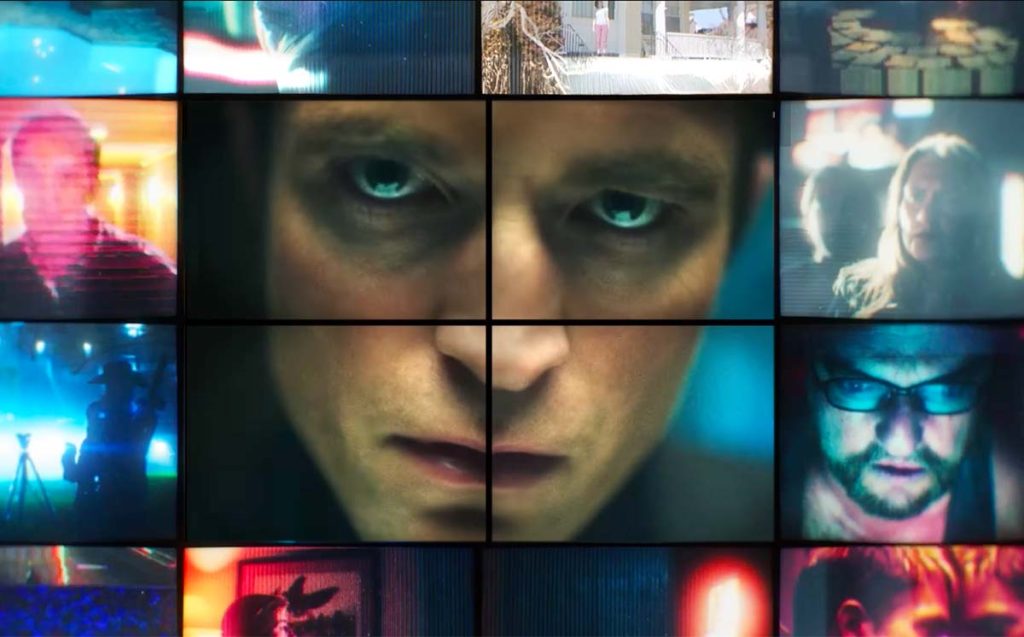
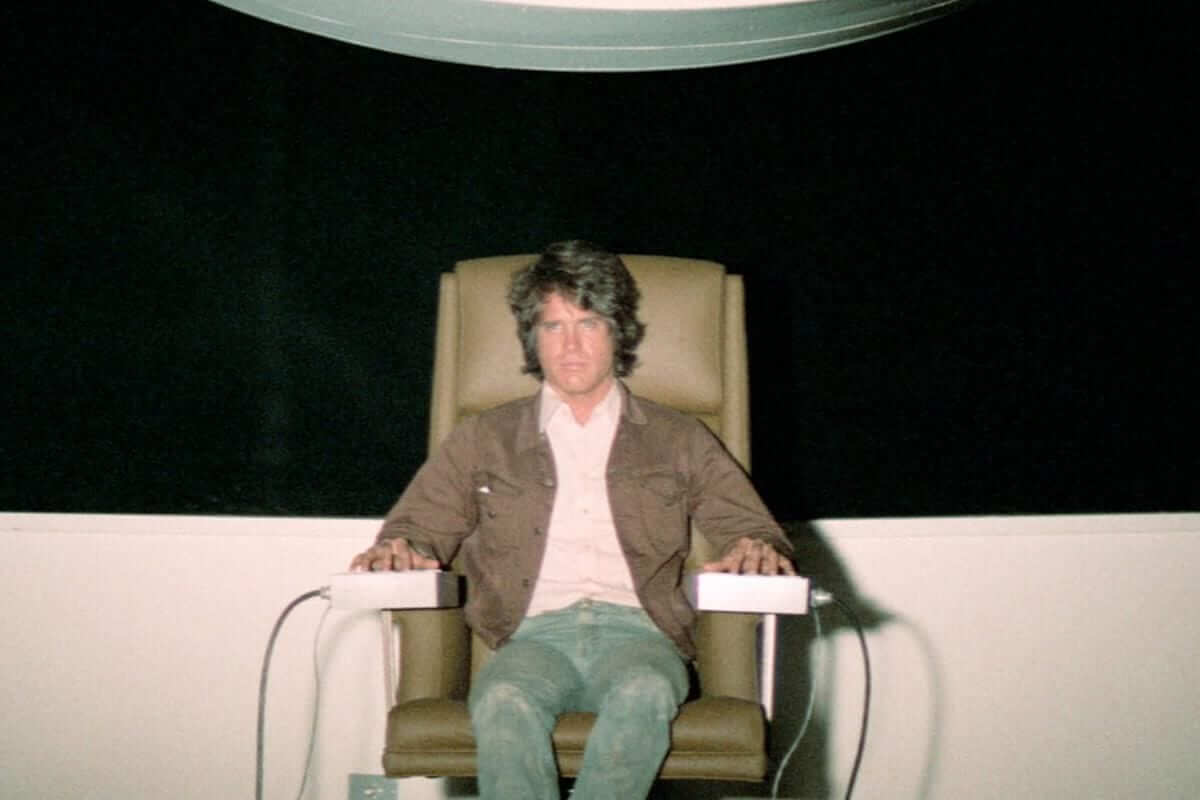
And that sense of unresolved panic that you could evoke. I personally think that he did a beautiful job on all of those, but I think that his masterpiece was the three minute so-called ‘test sequence’ in this movie. The Parallax View has something that a composer almost never gets. There’s a movie within a movie in The Parallax View where Warren Beatty’s trying to convince them he’s an assassin and they give him this test. The test they give him – as we did it, was, he sits down and he puts his hands down and they read his galvanic responses while he’s been watching a series of images, which is scored and has no dialogue. This is Michael Small’s chance to write a three and a half minute paranoid paean to the glories of America and the need to kill people to preserve it. This is what he ended up doing and it’s an amazing piece because it captures both the nostalgia for what a wonderful place America is and all this terrific potential, but also the mind of the assassin, he feels frustrated and angry and deprived and this has been taken away from him and he has to get it back and he has to get the people who kept him from having it. Michael caught that all beautifully. And, of course, the point of the movie is that Warren Beatty really has a mentality of an assassin. I mean, he passes the test. That investigative reporters, which is what Warren Beatty’s playing, have a kind of a similar mentality of ‘take no prisoners’ and ‘get to the bottom of it’ and unreasonableness and assertiveness that these killers have. The movie is really about that odd kinship and it doesn’t demonise the killer. It makes him a kind of a victim.
Michael Small essentially gets to do his own take on that very famous scene from A Clockwork Orange where Malcolm McDowell’s Alex gets his eyes stuck open with all the scenes of violence set to Beethoven, but he gets to do his own music for that.
The thing is, if you look at those two together, there’s a big difference, but at the same time, it was the same sort of gestalt. If you look at Kubrick’s, you’re watching it through Malcolm McDowell’s eyes. In other words, you watch some of the movie and then you cut back. It’s McDowell’s reaction with his eyelids propped open and what’s important isn’t the movie itself. It’s what it’s doing to him, but what Alan decided to do wasn’t that at all. He decided, “I’m going to make the audience Malcolm McDowell.” You are going to sit there and you were going to take this test and you are going to see that you maybe are going to think, “I’m an assassin too,” because you’re going to have the actual emotion of sitting through this whole test, and the driver for that was Michael Small’s score. It creates those emotions in you, just the music does, but of course, the pictures ratchet that up.
It certainly does.
That’s the difference and that’s why this was the key moment in the movie. This is what saved the movie from being a confusing half ass thriller because there’s this bedrock experience there that holds it together. Interestingly enough, when the script was being written, this wasn’t in the script. What was in the script was a scene in which Warren Beatty goes to a bar. He doesn’t know he’s being tested and there’s a bartender there and there’s a little cute little kitten on the end of the bar and everyone’s playing with it. The bartender takes his bottle and he smashes the kitten’s back and throws the kitten away. And then you look: “How’s Warren Beatty going to react to this violence?” Well, nobody liked that. Let’s not kill a kitten and use that as a test. But they didn’t know what to do, so we had this big hole in the movie. So Alan shot this thing with Warren Beatty where he sits in the chair, and he looks at this amazing screen, and that was it. We shot him looking, but not having any reactions, just a blank stare, looking at the screen. In post-production, we made this little three and a half minute movie that we stuck in there. We didn’t cut back and forth to one. There’s no Warren Beatty at all in the whole movie. You would see him sit down, you see the movie, and then he gets up. That’s a very daring thing to do. This is where Alan had the real nerve. He often made movies where he didn’t know how they were going to end and he put himself in that corner and then pulled something out like that.
2021 has been a very good year for The Parallax View. It received a Criterion release in February and now it’s got this soundtrack release a couple of months later. What’s it been like for you, seeing the renewed interest in this film, 47 years on?
I have a strange relationship to it, as you can imagine, because it’s what got me into the movie business. You know that moment when he discovers the Parallax application, and Warren Beatty pulls open the drawer? That’s actually not him pulling open the drawer. That’s me pulling it open. The drawer is another secret. He wasn’t there. We needed a hand model to shoot the closeup. The rest of me doesn’t look like Warren Beatty, but my hands looked like Warren Beatty, so that worked and that’s me. So I have this personal feeling. I still get $10 a year for that from the Actor’s Guild. The thing is, this is a time that’s eerily similar. We’re at another moment where we don’t know what’s happening. Things seem to be spinning out of control. The whole democratic process seems to be at risk and we don’t know what’s happening or what’s going to happen next. So people seem to be looking at this movie and finding the same kind of reassurance now that we found in it.
The Parallax View soundtrack is out now on limited edition vinyl from Cinema Paradiso Recordings.