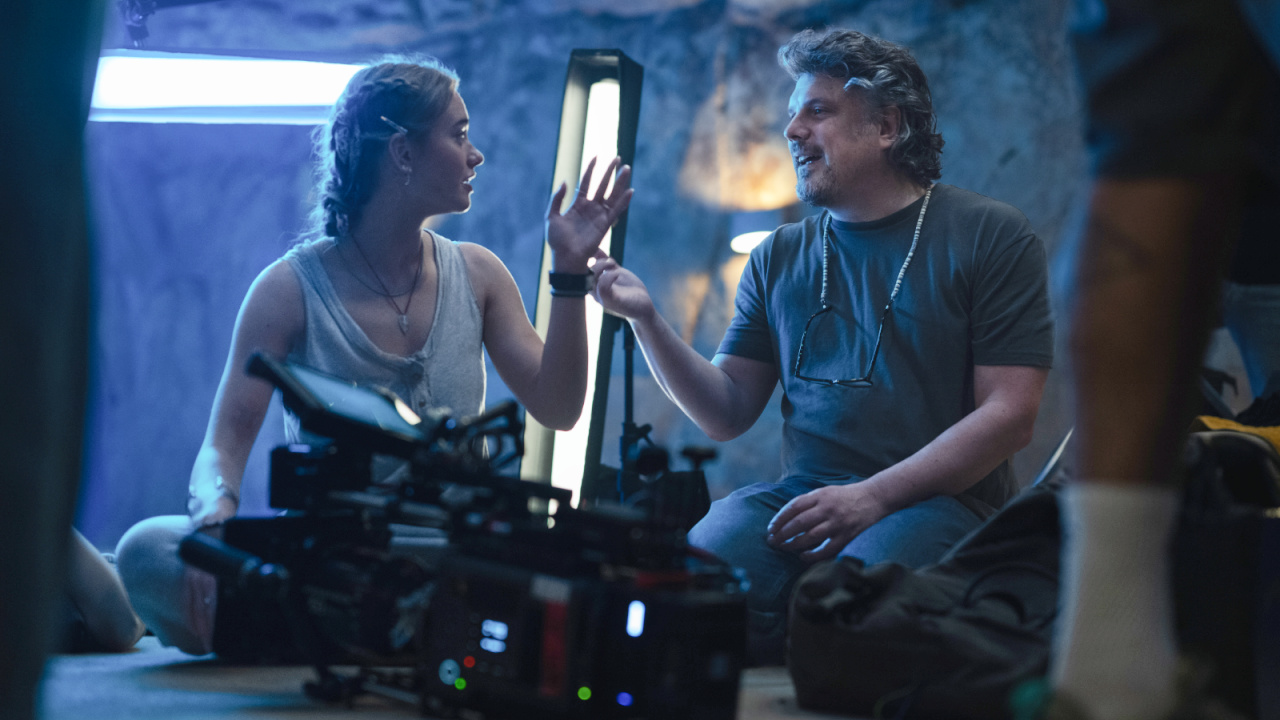
Johannes Roberts has never been much interested in playing it safe. Whether he’s gleefully unleashing sharks, monsters, or very human traumas, the British writer-director has built a career on taking raw, primal fears and pushing his audience right to the breaking point. With Primate, he may have gone further than ever before.
Mean, tense and unapologetically feral, Primate sinks its teeth into ideas of evolution, violence and what happens when the thin veneer of civilisation finally cracks. It’s a film powered by sweat, blood and bad decisions, blending nasty creature-movie thrills with the kind of sharp, stripped-back filmmaking Roberts excels at. Ahead of the film’s release, we spoke with Roberts about his enduring love of horror cinema, this film’s unexpectedly emotional undercurrent, and why the scariest thing on screen is often how close the beast feels to home.
As we sit down to talk, the writer-director is wearing a Cujo T-shirt — a fitting styling choice, given that Stephen King’s killer-dog classic looms large over his latest film.
STARBURST: I’ve heard Cujo was a major inspiration for Primate.
Johannes Roberts: Very much so. Cujo is one of the films that made me want to be a director. I actually wrote the first version of this script about twelve years ago, and originally it was about a dog. Over time, that dog became a chimpanzee. But Cujo is just a phenomenal piece of filmmaking.
So how exactly did the story evolve with the move from dog to chimp?
Roberts: There were a lot of versions, but initially it was very pragmatic. The script ended up at Netflix, and they said, “We like this, we want to make it, but dogs don’t work on our algorithm.”
So I said, “Chimpanzee?” And they went, “Fine. Great.”
They ultimately didn’t move forward with it, but when I met producer Walter Hamada, he loved the chimpanzee idea immediately. And it really did change the film; not so much structurally, because the beats of the script stayed almost identical, but in terms of personality.
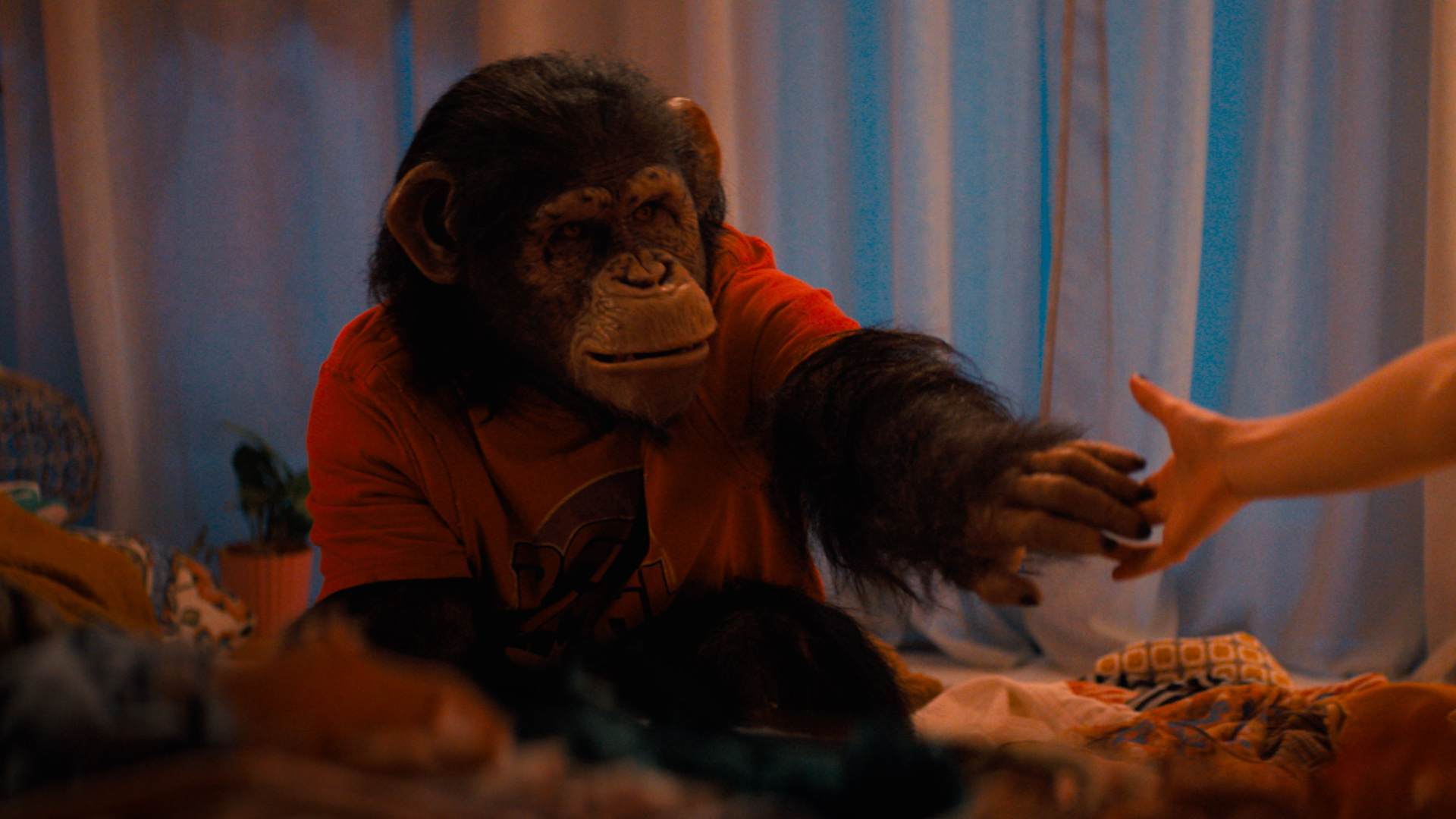
Of all the films I’ve made, this one is almost exactly what was on the page. But what Miguel [Torres Umba, a movement specialist who played the titular character] brought to Ben, by going practical and actually performing the character, was something you simply couldn’t get with a dog. The malevolence he has is extraordinary. When I watch the film, that’s what makes it: that pure sense of menace.
You’d also lose those deeply creepy moments when Ben communicates verbally with the tablet.
Roberts: Exactly. The chimp really opened the film up spatially and emotionally. There’s an uncanny valley quality to him — he’s almost human. He can almost speak. I find that incredibly disturbing.
And to think Netflix’s algorithm-first approach worked for good, for once.
Roberts: And now they’re doing a Cujo remake. You think, what is this world? But hey, good for me.
Films like Cujo and Primate are grounded in very real, everyday fears. Why do you think that kind of horror remains so effective, especially in a genre saturated with supernatural threats?
Roberts: What really works for me is taking an ordinary situation and letting the audience fully settle into it. In 47 Meters Down, it’s going on holiday. In Primate, it’s a pool party. You tell the audience, “This could be you.” Then you turn it into a nightmare.
Everyone’s taken a wrong turn on a trip before. Everyone’s had something familiar turn dangerous. With Primate, it’s a pet — something close to you, something you love — that suddenly goes wrong. That invites a level of identification you don’t get with aliens or ghosts. There’s always a barrier with those. This removes it.

Water has become a recurring motif in your films. In 47 Meters Down and Resident Evil, it’s a threat, but in Primate, it becomes a sanctuary. Was that intentional?
Roberts: I wish I had a very clever answer for that. The truth is, I love water. I’m a scuba diver. I’m obsessed with sharks and the deep ocean. I find it endlessly beautiful and mysterious.
After making the 47 films, I also realized I love filming in water, despite the fact that it’s technically the worst place in the world to shoot. Boats are a nightmare. Everything moves. Everything’s difficult. But water is free. The way light moves through it, the way the camera interacts with it… it’s just beautiful.
In this film, water being safe wasn’t a deliberate contrast to my earlier work. If you’d given me ten minutes to think about it beforehand, I could’ve given you a very Hitchcockian answer.
Going into the film blind, someone might think you’d used a real chimp. It feels too tactile to be CGI. Why was it so important to go practical and use an actor in a monkey suit?
Roberts: “Tactile” is exactly the right word. This is a very intimate film: one location, very close relationships, a tight-knit cast. Ben represents the end of childhood, the corruption of something once safe. You couldn’t do that with CGI.
You couldn’t love Ben if he wasn’t physically there to hug. You couldn’t feel sad for him if he was just ones and zeros. And you couldn’t be truly terrified without feeling his physical presence and his strength.
What surprised me was how much it changed the character’s personality. Instead of hiding Ben, I started bringing him forward. Letting him laugh. Letting him play. He just radiated menace. At a certain point, we said, “Let’s see him. Let’s really see him.” And Miguel made that possible.
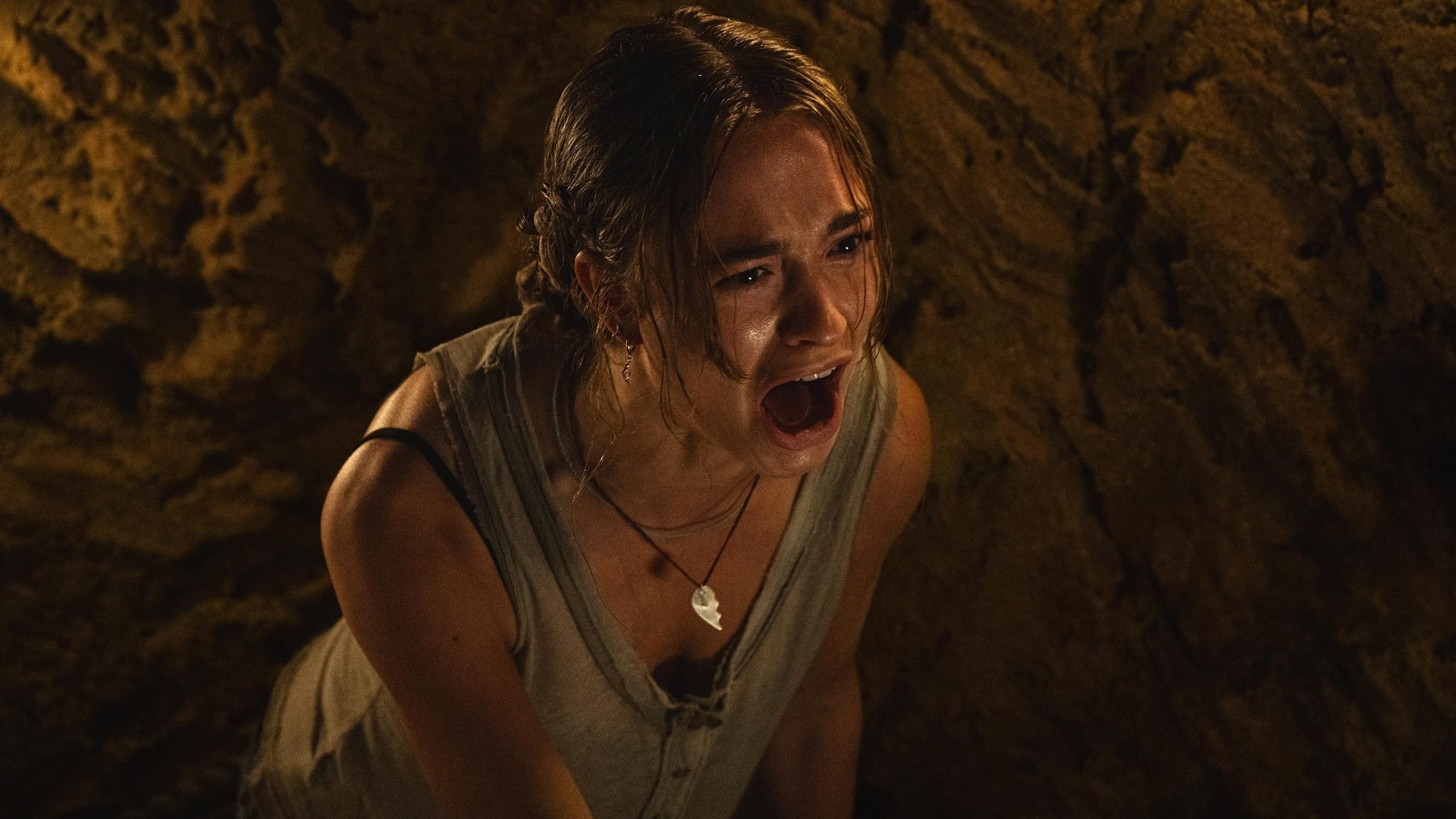
Ben starts out gentle, almost like a younger sibling. How did you balance that empathy without making the audience feel too sorry for him by the end?
Roberts: That was one of the biggest fears going into the film. There were a lot of conversations about whether people would feel bad for Ben — and they don’t. Once the turn happens, particularly after the first major death, he becomes a full-blown arch-villain. I love watching audiences react to how angry they get with him.
I love horror and I love scaring people, but I don’t like leaving them feeling disgusted or emotionally poisoned. This is the most extreme film I’ve made, and there’s some nasty stuff in it, but there’s also joy.
Ben is Freddy Krueger. There’s a fun, horrible delight in what he does. It’s terrifying, for sure, but you’re also enjoying it.
If you had to sum up the thematic through line of Primate, what would it be?
Roberts: At its core, it’s about a girl coming home to find that everything has changed. Her mother has died. Her best friend is moving on. She’s clinging to childhood, even as that’s slipping away.
Ben represents that. He embodies her grief, the darkness of it. She has to confront that darkness to grow up.
There’s also a strong theme of communication. This is a family that doesn’t communicate and is falling apart. The mother was a linguist. Ben’s relationship with language matters. When you put the pieces together, there’s this constant push around who can speak, who can’t, and who’s being heard.
For me, it’s almost a coming-of-age story, just an extremely violent one. It’s about the end of innocence.
Interviewer: I’m very glad most people don’t grow up quite like this.
Roberts: Me too.
Primate releases in UK cinemas from January 30th.