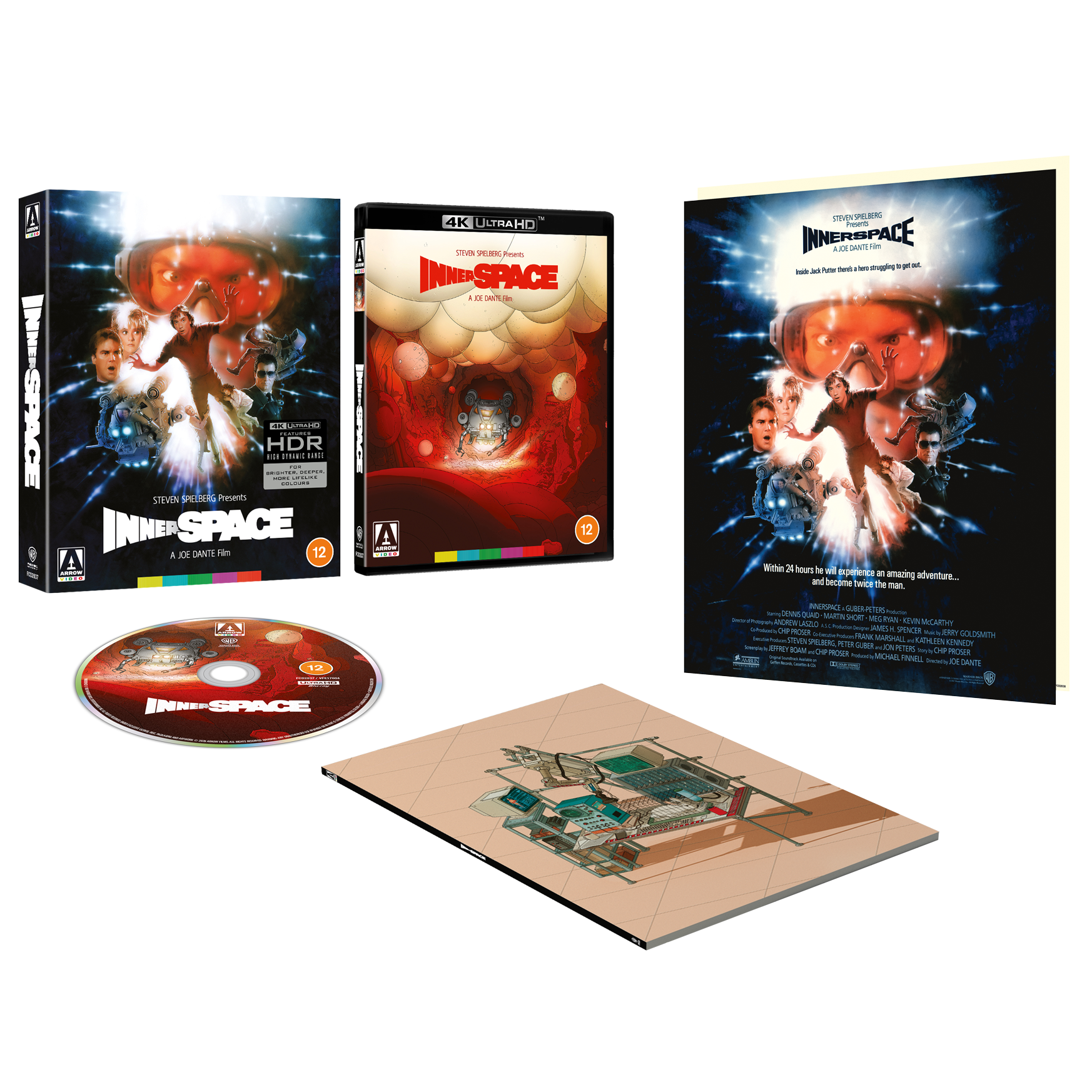
With the recent 4K release of the 1987 sci-fi comedy INNERSPACE, we spoke with the film’s legendary director JOE DANTE to discuss the movie…
STARBURST: Was the script already in place when you came on the project?
Joe Dante: I was offered a script by the producers that was a serious treatment of the same story. I said, “People are going to laugh at this. This is really ridiculous”. And so I went away and did other stuff. In the interim, Steven Spielberg got hold of it, and he hired a writer, Jeff Boam, who went on to write Indiana Jones and the Last Crusade. Jeff had the idea to turn it into a comedy. His premise was ‘what would happen if Dean Martin was shrunk down and ejected into Jerry Lewis’. I was a big Martin and Lewis fan when I was a kid, so I obviously related to that. So I said, “Yeah, OK, I can do this”. I was coming off a movie called Explorers, which was a career ender. I thought I should just try to make a mainstream movie. You know, not full of weird stuff like I always do. And by the time I was done with it, it turned out to be just another weird Joe Dante thing. I couldn’t help myself.
Did you have in your head that you were going to make your version of the Fantastic Voyage?
No. In fact, I was trying to differentiate it from Fantastic Voyage because I was very disappointed when I saw it, even though I was a big Richard Fleischer fan. It just didn’t it didn’t work for me. It seemed overproduced, and I knew immediately who the villain was. The casting was so obvious. I appreciated it for what it was, but it just didn’t do much for me, so I didn’t think of this as an offshoot of that.
What was the biggest challenge with the miniature effects?
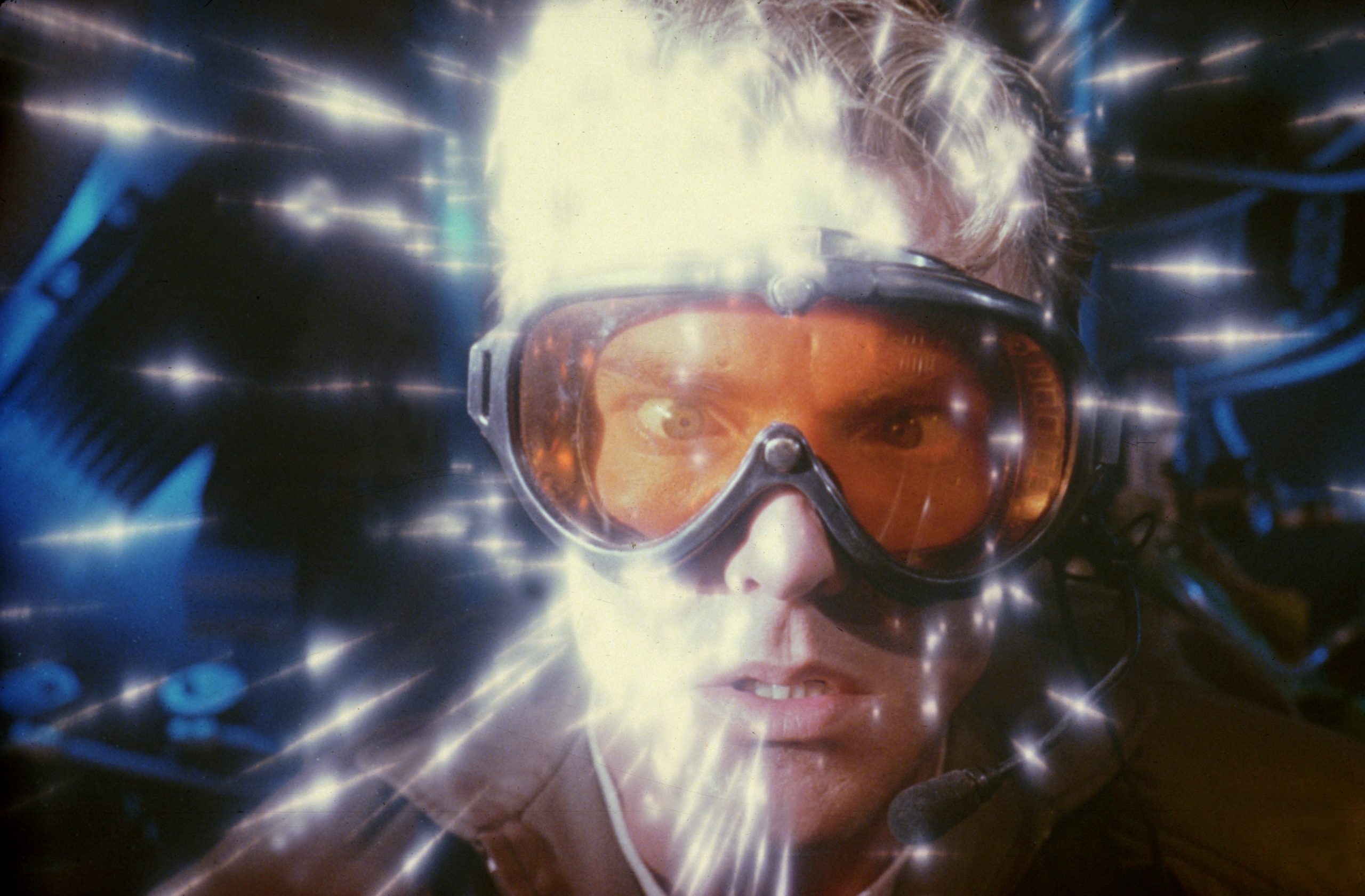
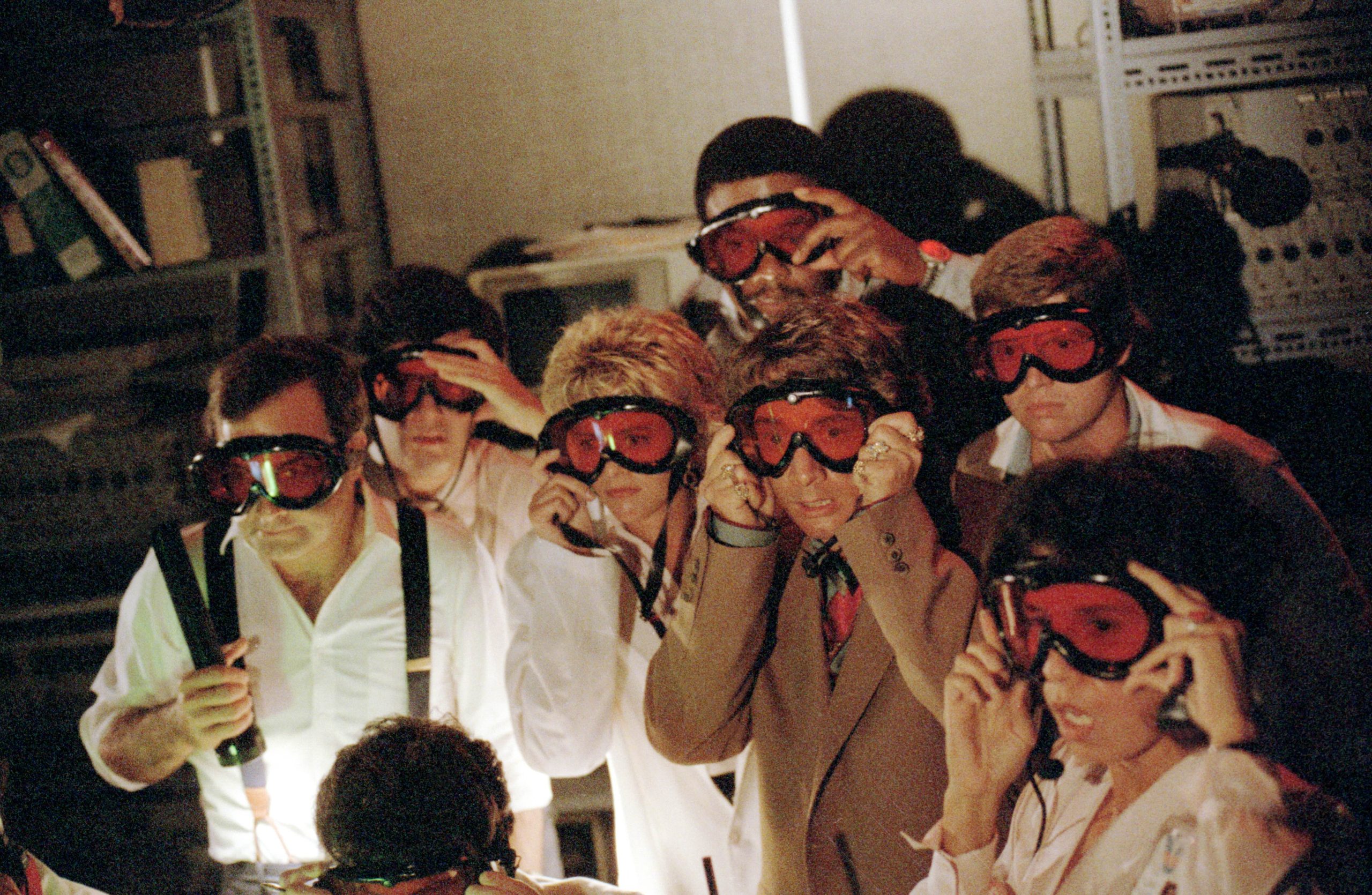
Well, the team at ILM won an Academy Award for this, and they had to create an entire human body interior, all without CGI or anything like that. It was pretty impressive. I’m told that there’s a lot of material on the 4K disc about how this stuff is done. And some of which might surprise me because I wasn’t there while they were working. One great example was at the end of the picture, there’s a big car chase where the lead characters are in the car and behind them are the two villains, but they’ve been shrunk to half size. And to do that, Dennis Muren, who picked up the award, suggested we use a technique called the Schüfftan process, which involves placing the camera at a particular spot and building larger sets farther away, so they appear smaller because of the way you’re shooting it. And you can’t move the camera off the nodal point, or it destroys the illusion. Your eye is fooled into thinking that what you’re watching is actually on the same plane as opposed to being far away. So our actors in the back of the car had to correlate with the people in front of the car. And they had to be choreographed in a way so that it looked like they were actually near them, because in fact, they were actually far away. It was very challenging but a lot of fun.
Martin Short is perfect as Jack. Did you allow him much improvisation?
You don’t allow Martin Short to improvise. You enjoy his improvisation. Take one is going to be different from take five. And take five is going to be different from take ten. So the more takes you do, the more the character will embellish itself. He would beg for more takes in the voice of Katherine Hepburn. [Imitating Hepburn] “Joe, one more. Just one more take, please!” And it would always get better and better. The problem with working with an actor like that is that sometimes people who are in the scene with him have already given their best performance at take three. They’re running on fumes for the rest of it. But since they’re not the lead characters of the movie, you really have to go with the main character. And very often we would use the first take, even though he did a whole lot of great stuff. But he was constantly improvising, making the scenes better. Luckily, because of the way we shot the movie, even though he and Dennis Quaid are never in the same scene, they were always on the set together. So they could talk to each other and they could improvise and they could overlap each other and not have to be doing it to a pre-recorded track. A lot of their camaraderie comes from the fact that they were actually able to interact in real time.
We guess that made it easier for you as a director as well?
Oh, absolutely. If you cast the picture correctly and these people know their parts, then they can improvise within the character. And a lot of stuff that they say wasn’t in the script. They just come up with it.
The 4K UHD release of INNERSPACE is out now from Arrow Video.