From directing music videos for The Sex Pistols and The Smiths to his experimental gardening, Derek Jarman had an eclectic life. He’s most admired, though, for pushing the boundaries of gay cinema; a Blu-ray set collecting films from the first half of his career has been released by the BFI.
We start with In The Shadow of the Sun, a collection of Super 8 films shot by Jarman between 1972 and 1974. Though intensely atmospheric with its orange glow and menacing score from Throbbing Gristle, it’s more of a video installation than a film. Play it in the background of a party. If you want to unnerve your guests.
Sebastiane (1976) is Jarman’s first feature, co-directed with Paul Humfress. Though it follows a lesser-known Christian saint, there’s no way this would be allowed in a Religious Studies lesson. Sebastian is banished to a remote Roman military outpost, where soldiers keep busy by taking every opportunity to shag each other. Brashly made for a gay audience, with its provocative nudity, it also has much to say about persecution, aggression and sexuality.
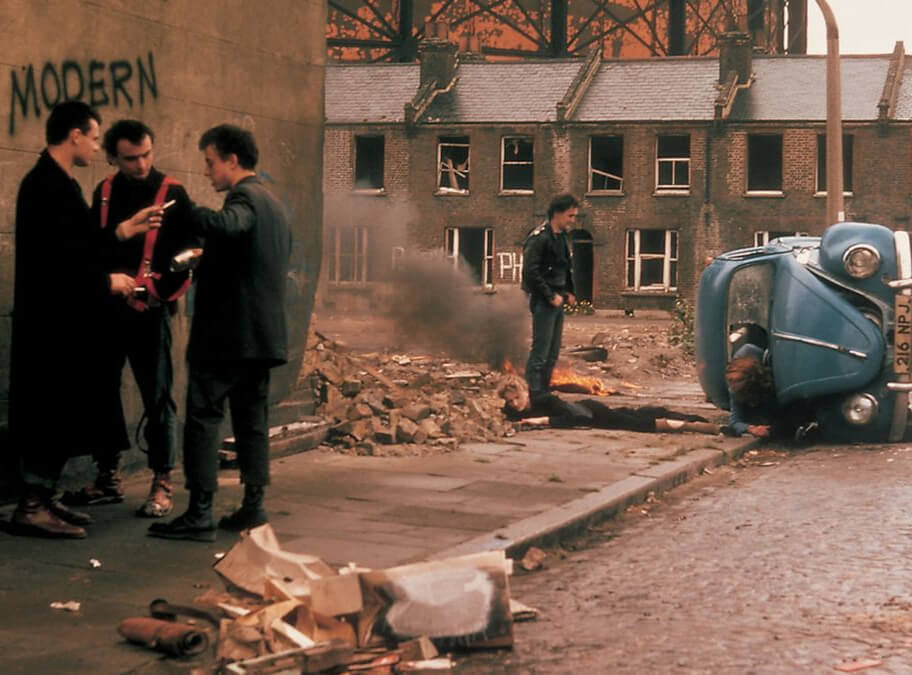
Jubilee (1978) is an odd one. It stars Jenny Runacre as Queen Elizabeth I, who travels through time to a dystopian 1980s in which the monarchy has been torn town and punk gangs rule the streets. Like a queer Clockwork Orange, it’s engagingly anarchic and satirical, though it does suffer from a lack of plot and from too little interaction between the time-travelling Queen Liz and the other characters.
While Shakespeare’s dialogue is intact, The Tempest (1979) nonetheless feels like a Derek Jarman film, with the eerie silences, slow music, and, of course, plenty of knobs and boobs thrown in. Those two styles thrown together makes a very unique watch, though the set design is jarringly non-cinematic – with Prospero seemingly living in a mansion, we never get a sense of the windswept remote island the play is set on.
The Angelic Conversation (1985) is another one for art installations. It consists of slow-moving images, with themes of alchemy, dreamlike rituals, and (you guessed it) gay shagging, along with a voiceover of Shakespeare’s sonnets read by Judi Dench. If you liked that description, you’ll like this. If you didn’t, you won’t.
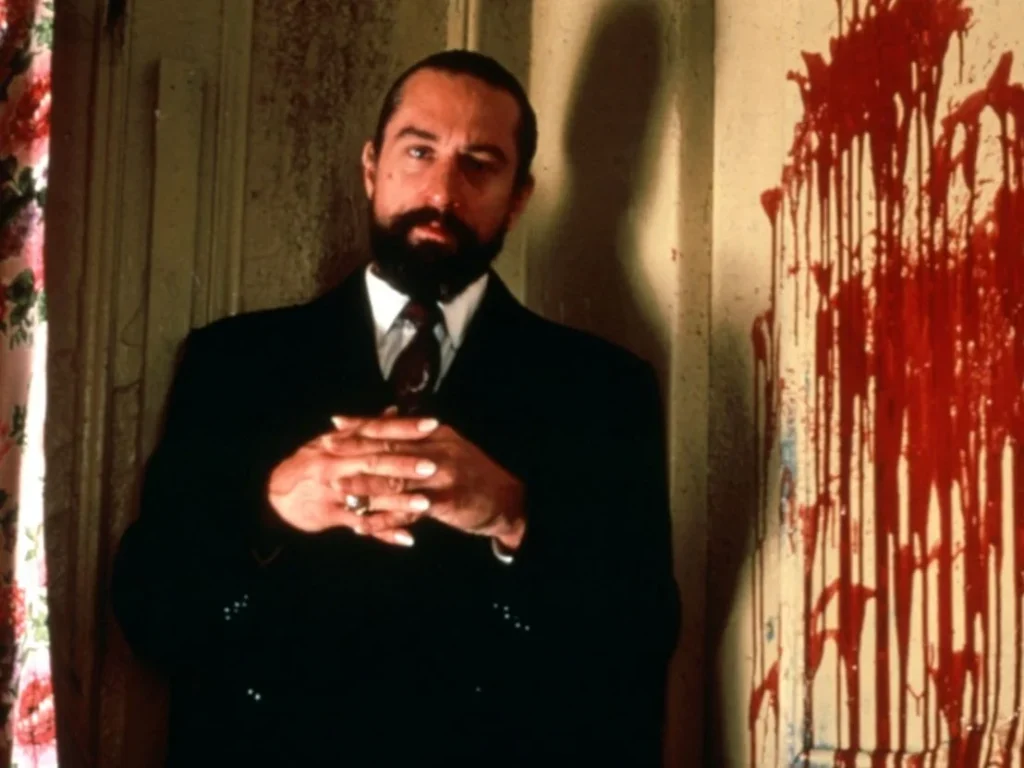
Finally, Caravaggio (1986) is the highlight of the set. A fictionalised biopic of the Renaissance painter, it’s a poetic and heartbreaking bisexual love story of the sexually charged relationships between the painter and two of his models. There are some recognisable faces in here, including the film debuts of Sean Bean and Tilda Swinton, while Nigel Terry captivates in the title role. There’s also the neat (and not too over-the-top) device of including some twentieth-century props, such as cigarettes and a motorbike, just as Caravaggio would paint Biblical figures in Renaissance-era clothing.
The BFI have done an amazing job on this set, with the high definition restorations looking superb. To list the plentiful extras alone would take more than the word count of this review, but highlights include an early black and white print of Sebastiane, new interviews with various cast and crew members, a documentary about Jarman’s Egyptian period drama and sci-fi movie that never got made, and a fully illustrated eighty-page companion book.
Jarman’s movies are sometimes mesmerising, provocative, and powerfully romantic; and sometimes they’re esoteric to the point of putting off most viewers. If you’re a fan of this subversive and groundbreaking filmmaker, however, this box set is essential.
JARMAN VOLUME ONE – 1972-1986 / CERT: 18 / DIRECTOR & SCREENPLAY: DEREK JARMAN / STARRING: JENNY RUNACRE, LEONARDO TREVIGLIO, TOYAH WILLCOX, NIGEL TERRY, SEAN BEAN, TILDA SWINTON, JUDI DENCH / RELEASE DATE: OUT NOW