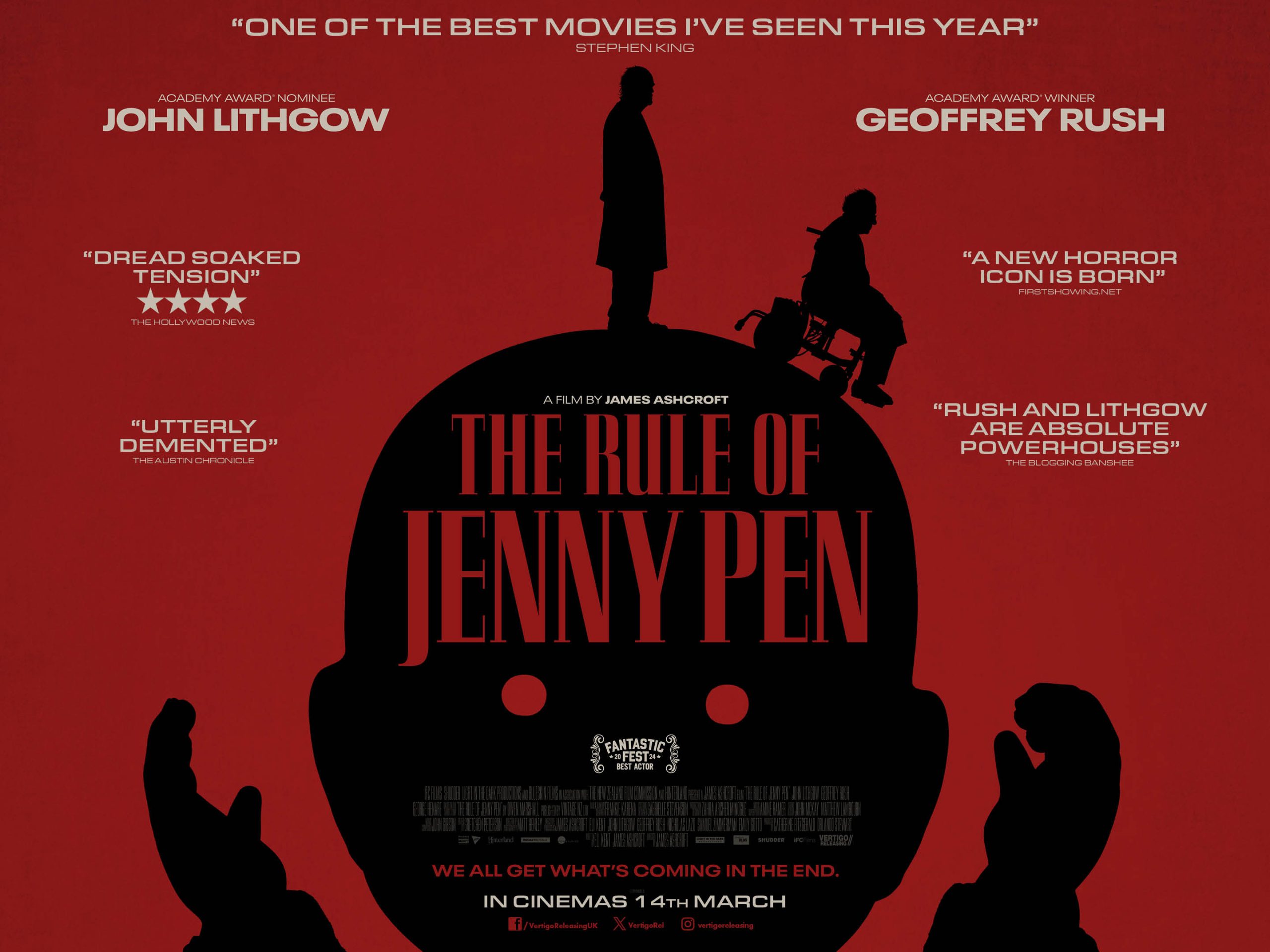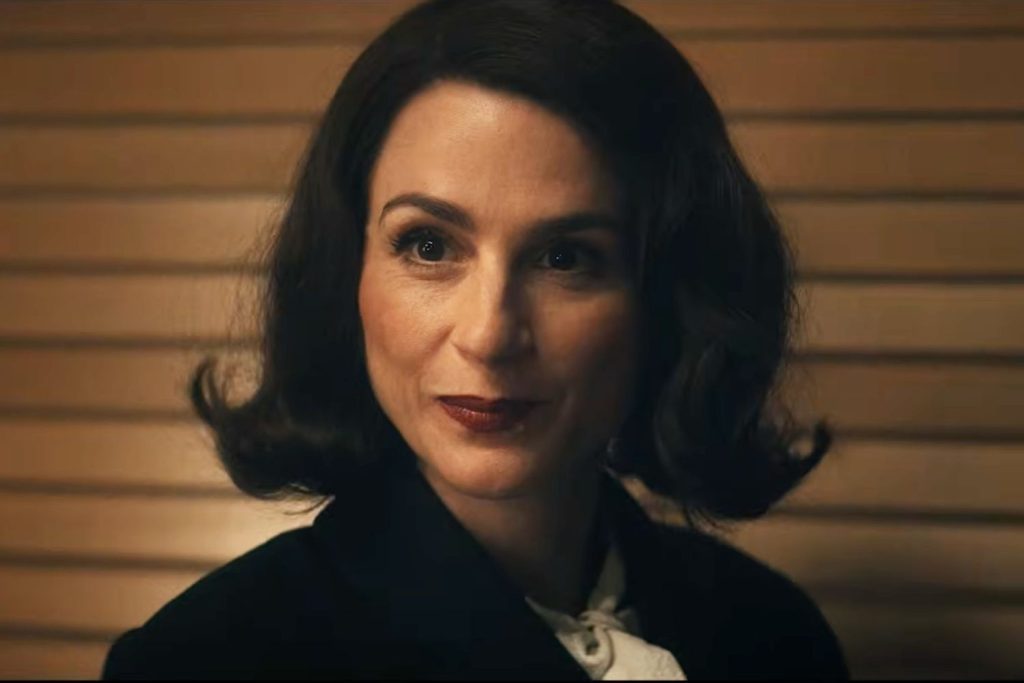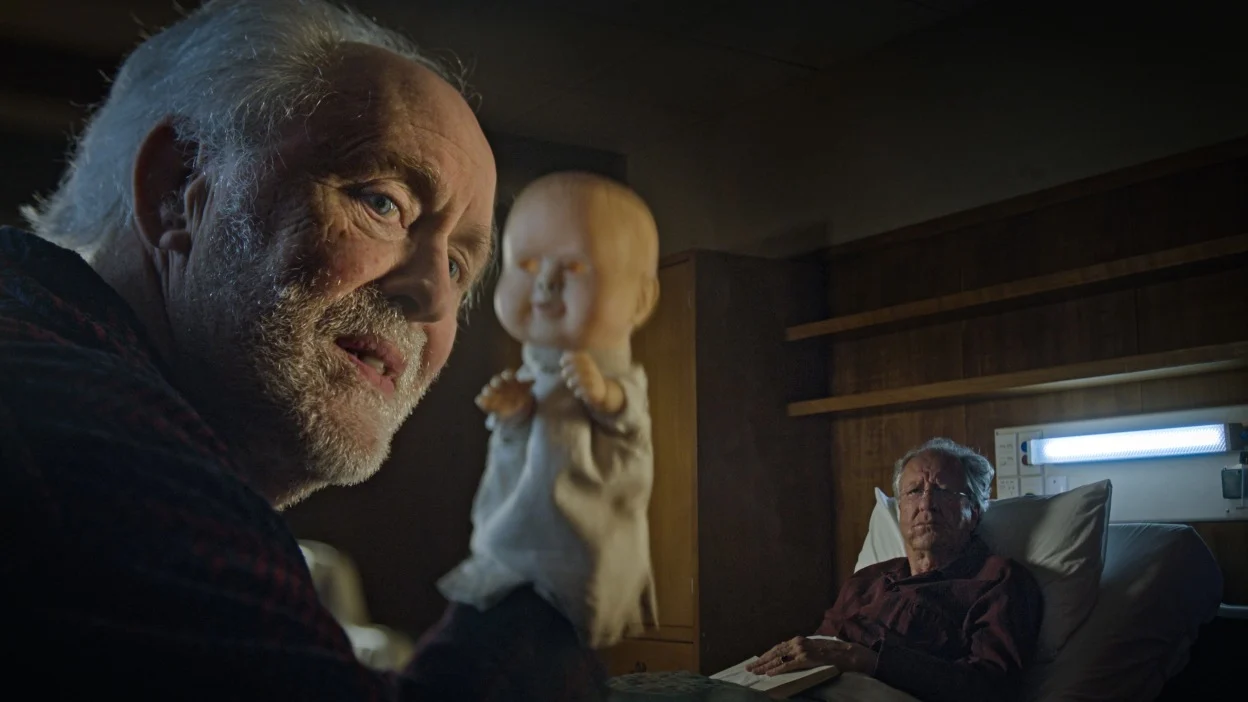
After releasing his feature debut Coming Home in the Dark in 2021, New Zealand director James Ashcroft has terrified the festival circuit with his tense follow-up that has finally arrived in UK cinemas. Starring Geoffrey Rush and John Lithgow, The Rule of Jenny Pen follows Stefan Mortensen (Rush), a judge forced into retirement by a massive stroke that also sees him move to a care home. Once there, he crosses paths with fellow resident Dave Crealy (Lithgow) who has made it his mission to terrorise those around him with the help of his trusty hand puppet Jenny Pen.
Following its premiere at Fantastic Fest in 2024, the psychological horror has been met with rave reviews – with its lead star Lithgow even sharing his terror over appearing in it. To coincide with its release, STARBURST sat down with Ashcroft to discuss the film’s approach to aging, developing the complex protagonist of Crealy, and how its seasoned lead stars approached the more difficult scenes.
STARBURST: How did you develop your idea for the film and get the production rolling?
James Ashcroft: It started with a short story by Owen Marshall, a prolific short story novelist from New Zealand. This story and Coming Home in the Dark which was my first film, were both based on two of Owen’s works. Owen’s written about 60 stories – including two really dark ones – and those were the two that I optioned. This was the first work that Eli Kent, who co-wrote the film with me, started together nearly 12 years ago. We’ve now worked on about 10 projects, things like Devolution and How to Sell a Haunted House, so this is sort of the foundation that’s our relationships built on as well.
We did a lot of research – Eli stayed in a rest home for a couple of weeks, which was a great experience in terms of getting the authenticity and solving some of the structural issues with the script. Once we’d got it all written, we weren’t able to get the budget we wanted because, as a first-time director, it was more than we could imagine, which is why we pivoted to Coming Home in the Dark. The intention was always to do this as the follow-up.
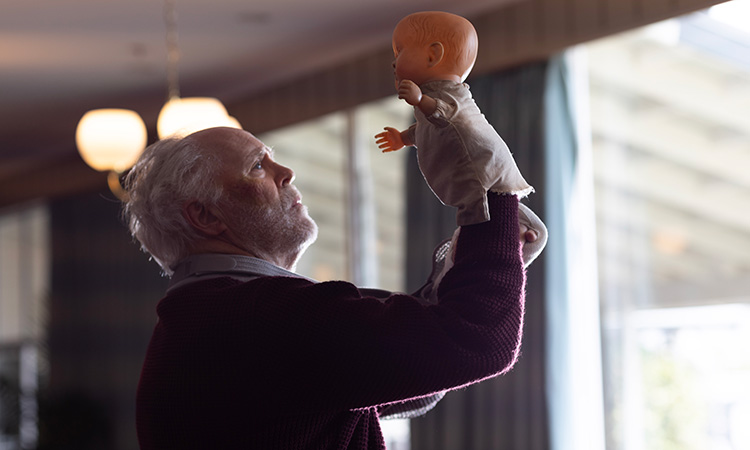
Geoffrey Rush and John Lithgow were incredible in the film. How did they get involved with the project?
Geoffrey Rush and John Lithgow were always in the back of our minds when we started writing as a sort of fantasy. Like, “ Wouldn’t it be great if…” And then when we actually got it [the script] to them. I think John took about a week to respond and had a meeting – he wasn’t going to say yes, it wasn’t in the bag, and he wanted to know who the hell is this weirdo from New Zealand, writing this terrible, terrible stuff. But he signed on immediately after that meeting, and Geoffrey signed on after three days. I always tell them that even back then, before they knew the other was involved, there was this little rivalry going on. Once they were on board, that’s when I started moving forward. I was thinking “Be careful about meeting your heroes, lest they disappoint you as human beings,” because they’ve been long-time heroes of mine and Eli, but they were even better as people than they are as actors.
We see a lot of horror films about the perils of ageing and many are criticised for how they represent ageing and elderly people, but a lot of commented how The Rule of Jenny Pen subverts that and is sensitive while still staying true to its horror. What was important to you for that to come across?
My mother is Māori, indigenous in New Zealand, and my father is English. Growing up within a Māori family, there’s this concept of keeping your elderly with you at home – it’s fundamental to our culture. We built a little house for my parents on our property after the pandemic, because we wanted them to be three meters from the front door so that we can look after them and they have that relationship with their grandchildren. My view of the elderly has always been that it’s not mysterious, and they’re a natural part of your wider family. As your parents or your guardians looked after you when you were most vulnerable as a child, you, in turn, repay that favour. What struck home when I read this story was that, as a parent, I’m aware of bullying. I’m conscious of it in the schoolyard, but I’d never considered that that could be a fate that awaited my ageing parents in a rest home. That’s what scared me the most and what resonated with this story.
Having spent a lot of time with elderly people, I think a lot of people think of the elderly as something to be sort of pushed aside and not listened to, which is completely untrue. Just because you age doesn’t mean things change in terms of who you are and your experiences. As we age, people remove their filter of politeness and become very blunt and frank about sharing those emotions, which I think is a great thing. That’s why a rest home is a hot environment. One pleasantly surprising to learn at one of the homes we went to is there’s probably a lot more sex going on than there is at a college. Those are the sort of conversations that we should be looking at about elderly characters, the community they offer and the liveliness.
The use of the hand puppet Jenny Pen and the title itself danced with the idea of the supernatural being involved, but we don’t go there. Was there ever a temptation to go down that route?
It was never an intention, and it’s not there in the source material. For me, the truly frightening thing that trumps the supernatural is what people are capable of doing given the right circumstances, the right pressure, and the right moment in time. I’m drawn to that light and darkness we always have to negotiate within ourselves. Even though it’s called, The Rule of Jenny Pen and the puppet is a very strong icon in the story, it’s all just symbolic of dictatorship and tyranny. I think people are responding to that given we live in quite tyrannical times at present.
Dave is an interesting character in that he is terrifying, but there are moments when he just seems lonely and craves companionship. What went into developing him as this complex antagonist?
I’m very fond of Dave, as one has to be with their characters. We wanted to cast John specifically in this role because Dave is really a tragedy. His existence is one of isolation, and his footprint in the world is very, very small. He probably didn’t venture further afield from this town where the story is set. He lives with this incredible loneliness, and we can all feel isolation, loneliness, sadness, and depression over time. But those things can mature into something much more insidious things like bitterness, envy, jealousy, and cruelty. We wanted an actor who had a deep sense of joy in their work and their performance because this is about a monstrous person, but if you’re a dictator, you’re having the time of your life. It’s like Richard the III having fun doing these terrible things. And of course, like all dictators, they get drunk on the power and it starts to get messy. The wheels fall off, and as soon as that crown goes on the head, it’s all downhill from there.
John spoke to Forbes Magazine about the film and said he was “scared to death” by it. Were there any scenes in particular you found that he or Geoffrey found difficult?
If you’d had come on set while we were filming, you would have thought we would have made a comedy! It’s always the way – the darker the material, the more fun and laughter there is in the making of it. I think overall, for both Geoffrey and John, the fear that they had about the intensity of the story was around just how far people can go. They abandon all their morals and deal with the consequences, and there are some very confronting moments. The scene in the day room where Dave attacks the woman who has severe dementia and her blind husband was challenging for all the actors. We were always very clear about what the intention was in every scene – even the worst scenes aren’t just about gratuity, there’s an intention and a psychological grounding as to why someone is doing something and what the effect is in the story. That’s all the reassurance actors need, if you’re asking them to bear themselves in that way, you have to be very clear with with the intention and how you’re going to land that.
Both John and Geoffrey appear naked in the film at different points, which they were very adamant about doing because we don’t get to see age in that way. Usually, it’s something that’s that’s either made fun of or criticised in some way. It’s all about exploring those levels of vulnerability, so I think the whole package scared them. But at the same time, I know they had the time of their lives doing it, and they probably slept for a month afterwards because it was a pretty exhausting shoot.
THE RULE OF JENNY PEN is out now.