AUTHOR: MARIKO TAMAKI | ART: STEVE PUGH | PUBLISHER: DC INK | FORMAT: PAPERBACK | RELEASE DATE: SEPTEMBER 3RD
Hot on the heels of DC’s earlier Under the Moon: A Catwoman Tale comes the second original story based on a member of Batman’s rogue’s gallery. This time, we meet the young and impressionable Harleen Quinzel as a teenager.
This is the latest in the line of books published under the banner of DC Ink, an imprint aimed squarely at the 13 – 17 age bracket, making us wonder at what age do people start reading the actual DC comic books these days. These books have so far introduced us to familiar characters in their formative years, before they became better known as the formidable and notorious criminals they would eventually be. They’re set against relatable socio-economic backgrounds that the target audience can relate to and identify with – and this is an excellent lead-in to the characters the readers will presumably encounter when they get to the next level. Or perhaps the idea is to introduce the readers to real-world socio-economic problems by setting younger versions of their favourite characters against them.
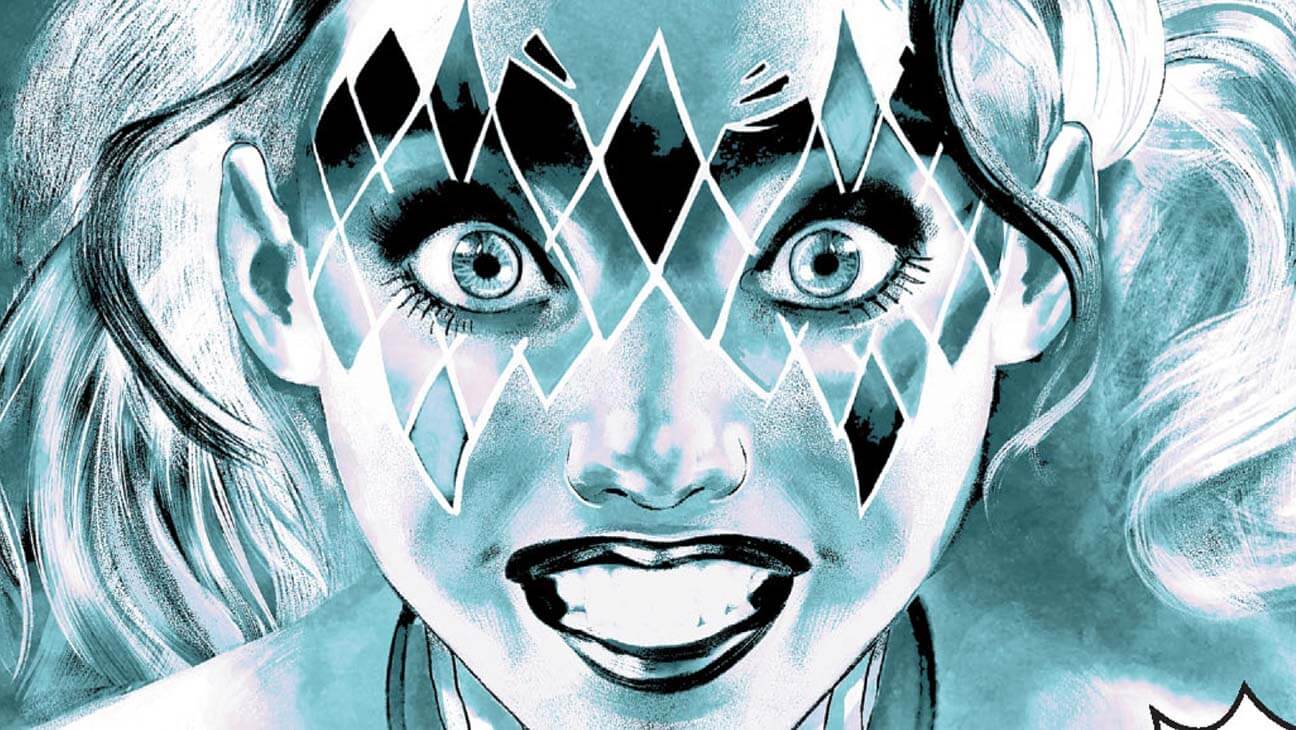
Either way, Harley Quinn: Breaking Glass is an absorbing read. It’s a good story, well told – and after all, what more can a reader expect from a book? Well, if you’re reading a graphic novel, as is the case here – then the illustrations are equally important. The good news is that the story by New York Times bestselling author Mariko Tamaki is strong and powerful, while Steve Pugh’s artwork is clean and detailed to the point of bordering on a level of photorealism that falls just short of Alex Ross’s amazing work.
But whereas it’s a great story, with the conflict of giant corporations versus the marginalised minorities at its heart, it’s not a very good Harley Quinn story. In this tale, Harleen is sent to Gotham City to live with her grandmother, but sadly her grandmother has passed away and instead, Harleen is taken in by Mama, a drag artist who runs a revue show with a small stock company of performers. At school, she befriends Ivy, a young activist championing feminism and community values, especially opposing the Kane Corporation’s plan to demolish and redevelop the neighbourhood, (including Mama’s place) to construct upmarket dwellings for the rich. It’s in Harleen and Ivy’s blossoming friendship and Harleen’s eagerness to help that things begin to go astray. Harleen does the wrong things for the right reasons.
Mariko Tamaki seems to have been given carte blanche as far as Harley is concerned. It’s hard to see the ditzy Harleen Quinzel with the heart of gold we meet here turning into the psychopathic Harley Quinn we expect; the one we know as comic books’ worst case of Stockholm Syndrome, forever trying to please her puddin’, the Joker. But maybe ‘that’ Harley wouldn’t fit into ‘this’ story.