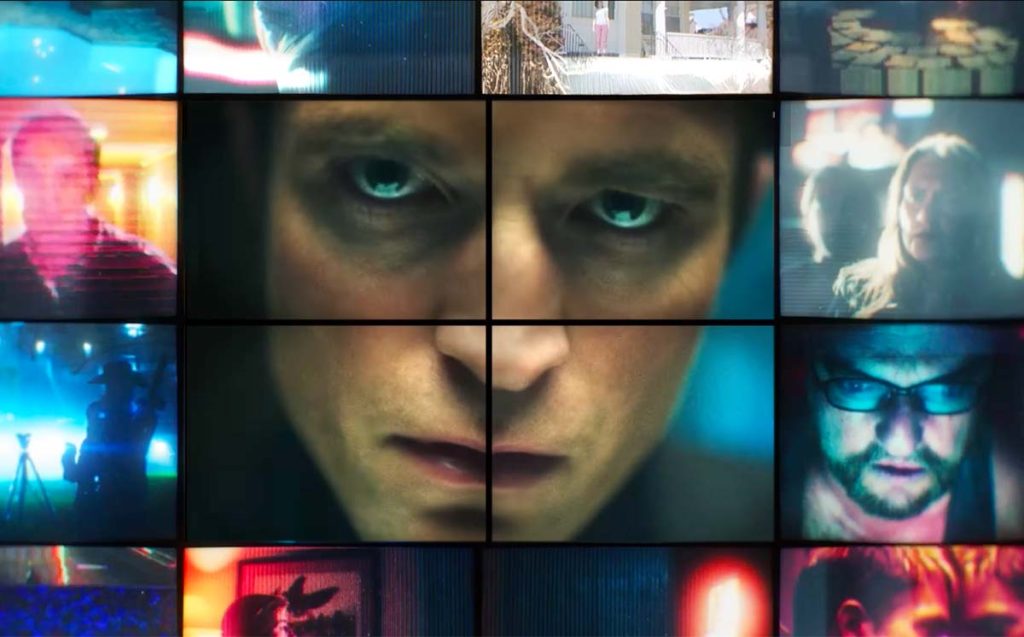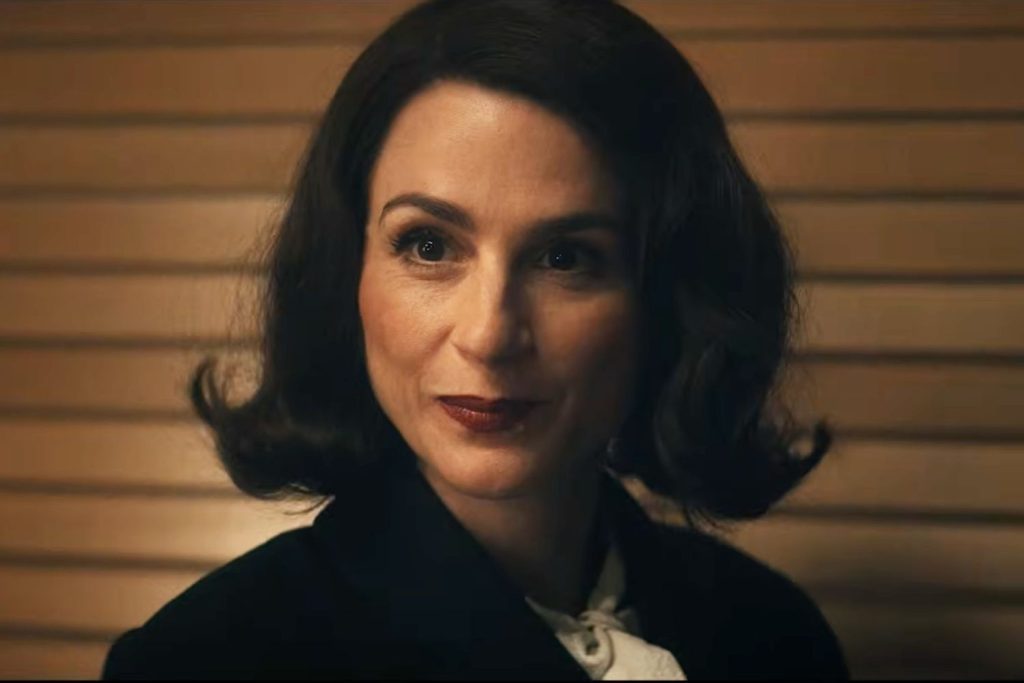
Studios keep discovering the same truth; If a world resonates on a screen, it can thrive in a controller. Television series and films arrive with characters, tone, and lore already established, which lowers the lift for game makers and raises the ceiling for fans who want more than a passive seat.
The result is a feedback loop. Watch an episode on Friday, explore a companion game on Saturday, then rejoin the community on Sunday to compare notes. The rhythm rewards curiosity. When it works, the adaptation becomes a second canon rather than a rerun.
What Carries Over, and What Must Change
Adaptations succeed when they treat interactivity as the headline. A scene that held tension for ninety seconds in a film may need to stretch into a ten‑minute stealth sequence in a game so the player can own the dread. Characters who deliver exposition on television often become quest givers or party members you choose to trust, or not.
Tone is the non‑negotiable. The joke cadence of a sitcom, the cinematography of a thriller, the score that makes your neck prickle. If those elements are cold, all the references in the world will not save the design. Fans feel it immediately.
Case studies across formats
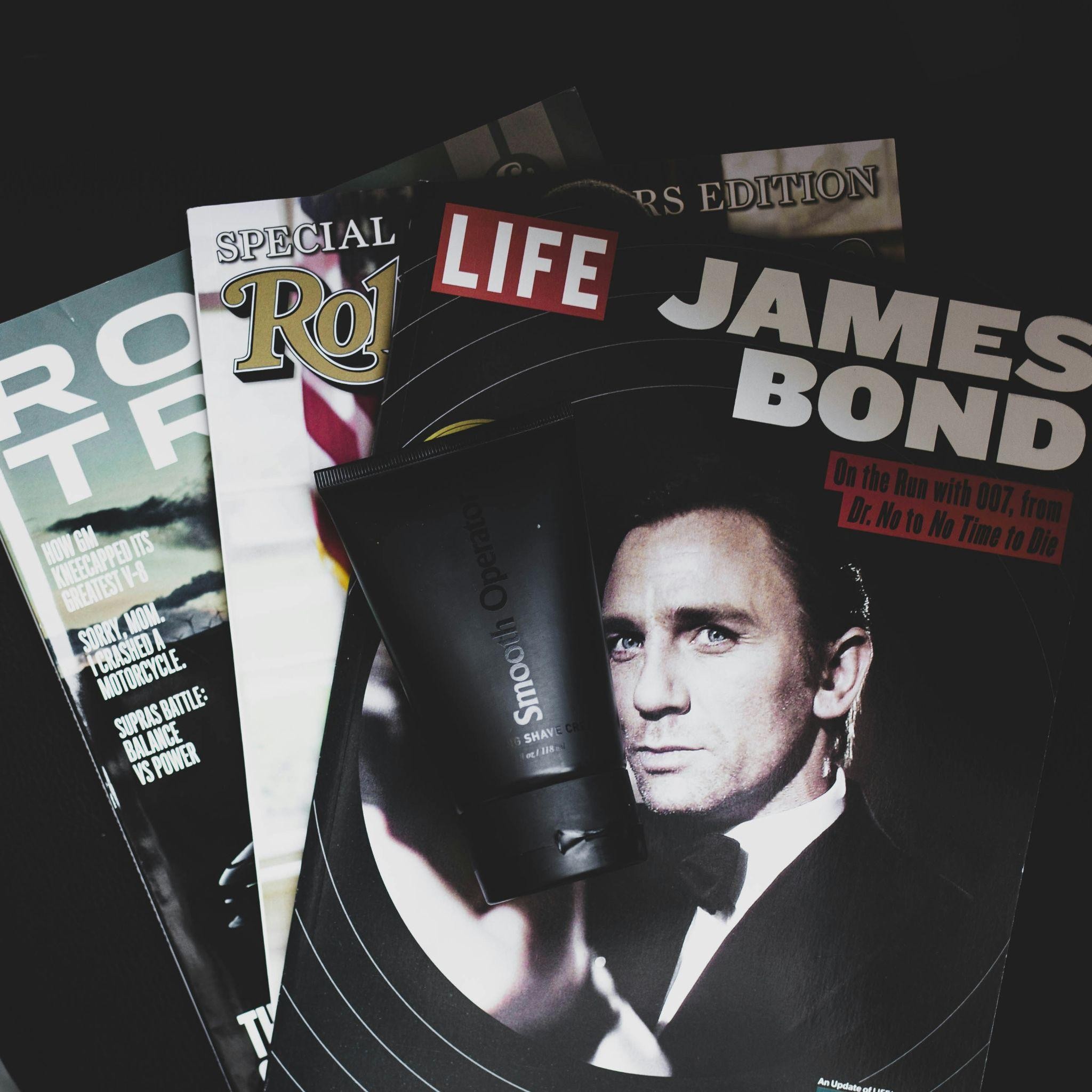
GoldenEye 007 remains a landmark because it translated a James Bond film into a multiplayer ritual. It understood pace, layout, and the thrill of improvisation. The game did not try to be a movie. It aimed to bottle the movie’s energy, then poured it into split‑screen mayhem.
Alien: Isolation took a different route. It studied a single film’s texture, the hiss of air vents, and the emptiness of corporate corridors, then installed the player inside that atmosphere for hours. Survival became a conversation with the setting. The lesson is simple. Fidelity to feeling beats fidelity to plot.
Television, with a playable spine
Shows with strong ensembles and recurring locations migrate well. Stranger Things offers an ’80s palette that fits neatly into small‑scale adventures and seasonal live‑ops. South Park thrives because the voice and timing are intact, letting players steer a comedy that still sounds like the show they remember.
Story‑driven series lean naturally toward narrative games. The Walking Dead and Game of Thrones invited slow choices with visible consequences. Not flawless, but on brand, because the core pleasure is choosing what to say when it matters. The adaptation meets the audience where the series keeps its heart.
Licensed slots and the quick-hit economy
A large slice of adaptation lives inside casino gaming. TV and film licenses fuel a constant stream of themed slots. Short sessions, fast feedback, recognizable art. Franchises such as The Godfather, Vikings, The Sopranos, and Peaky Blinders have appeared as reels and features that lean on quotes, stings, and character cameos.
For players who track new releases, it becomes natural to keep a running list of the best new slot games to sample. The experience is lighter by design. Five minutes, a familiar motif, a nudge of nostalgia. It is still part of the same universe-building.
Why some projects miss the mark
Tight marketing windows can flatten ambition. If the schedule demands shipping alongside a premiere, mechanics get thin, and the project reads like a checklist of references. Audiences forgive rough edges when the idea is bold. They do not forgive hollow replicas.
The corrective is to let the game form an argument. What does play reveal that the show or film cannot? A stealth system that invites patience. A dialogue tree that exposes hidden motives. A co‑op mode that reframes an ensemble cast as interdependent roles. Clarity at that level buys trust.
Emerging Directions
Expect shorter, episodic releases that sync with broadcast calendars. A chapter drops each week, timed to the new episode, offering a side corridor the camera never explored. No spoilers, just texture. The cadence makes return visits feel like a ritual rather than a grind.
Also expect more community‑driven modes. Shows with rival factions or newsroom drama can become social strategy sandboxes where players debate, bluff, and cooperate like characters. The line between watch party and play session gets thinner, which is the whole point.
Top 10 Film and TV Adapted Games
A quick pulse check on popularity and staying power. These releases are not just competent. They are cultural shorthand, used as references at parties, in forums, and in design meetings years later.
- GoldenEye 007 (1997, N64). James Bond reimagined as a multiplayer ritual. House rules, screen peeking, and instant nostalgia.
- Star Wars: Knights of the Old Republic (2003). A sweeping RPG inside a film universe. Choice heavy, full of memorable companions.
- The Simpsons: Hit & Run (2003). TV satire meets open-world driving. Quirky missions, quotable lines, warm Springfield loops.
- Batman: Arkham City (2011). A comic and film world distilled into tight combat and stealth. Fluid movement, confident tone.
- Alien: Isolation (2014). Film grade dread stretched into survival. Slow, patient, terrifying in headphones.
- The Walking Dead: Season One (2012). Dialogue and consequence at the center. Television-level character work you guide by hand.
- South Park: The Stick of Truth (2014). The show’s voice is playable. Sharp timing, jokes you unlock by exploring.
- Middle-earth: Shadow of Mordor (2014). A film and book world with a fresh Nemesis system that players still cite today.
- Ghostbusters: The Video Game (2009). Cast performances, proton streams, and a story that felt like a lost sequel.
- Friday the 13th: The Game (2017). Asymmetric hide and hunt inside a slasher film rules set. Chaotic, social, unforgettable nights.
Conclusion
The traffic between screens is not slowing. Worlds that begin as two hours of cinema or ten episodes of television keep finding second lives as games because the hunger for agency is built into fandom. Hold the feeling of the original, then hand the reins to the player. That is the formula.
Do that, and the adaptation stops being merchandise. It becomes a living annex, a place to return when the credits roll.
Photo by The Nix Company on Unsplash