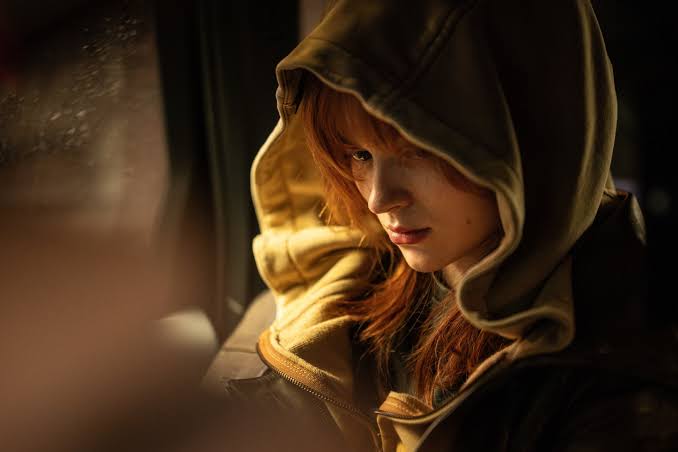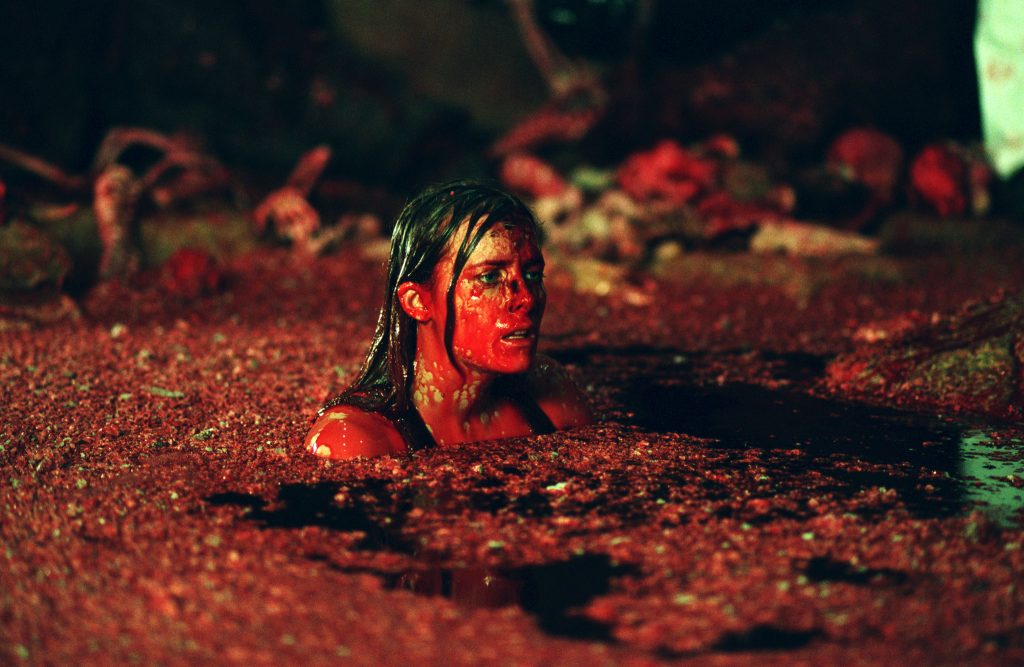
Ho, ho, and, indeed, ho. Joice and rejoice! It’s the TV Zone Christmas Special, an online-only festive treat that dares to look closely at Netflix’s Bodies, goes beyond timey-wimey with Sky Premiere’s Lazarus Project, mingles with the monsters on Monarch and says hello/goodbye/er… to the Fourteenth Doctor in the long-awaited return of Doctor Who… Not a turkey in sight!
I bloody love a good time travel story. It’s probably my favourite type of sci-fi yarn. Well, after a cracking alien invasion story. And the occasional apocalypse. Then I quite like a dystopia too (apart from the real one we’re all living in). Then there are giant monster romps. No, wait… time travel. That’s where it’s at. There’s nothing better than a rattlingly dense, mind-bending, time-paraodoxy time travel romp to really get the old great matter churning and the imagination bleeding. In the last few months, we’ve had two time travel shows that have blown away all my mental cobwebs and kept me at the edge of (or at least very close to) the edge of my seat.
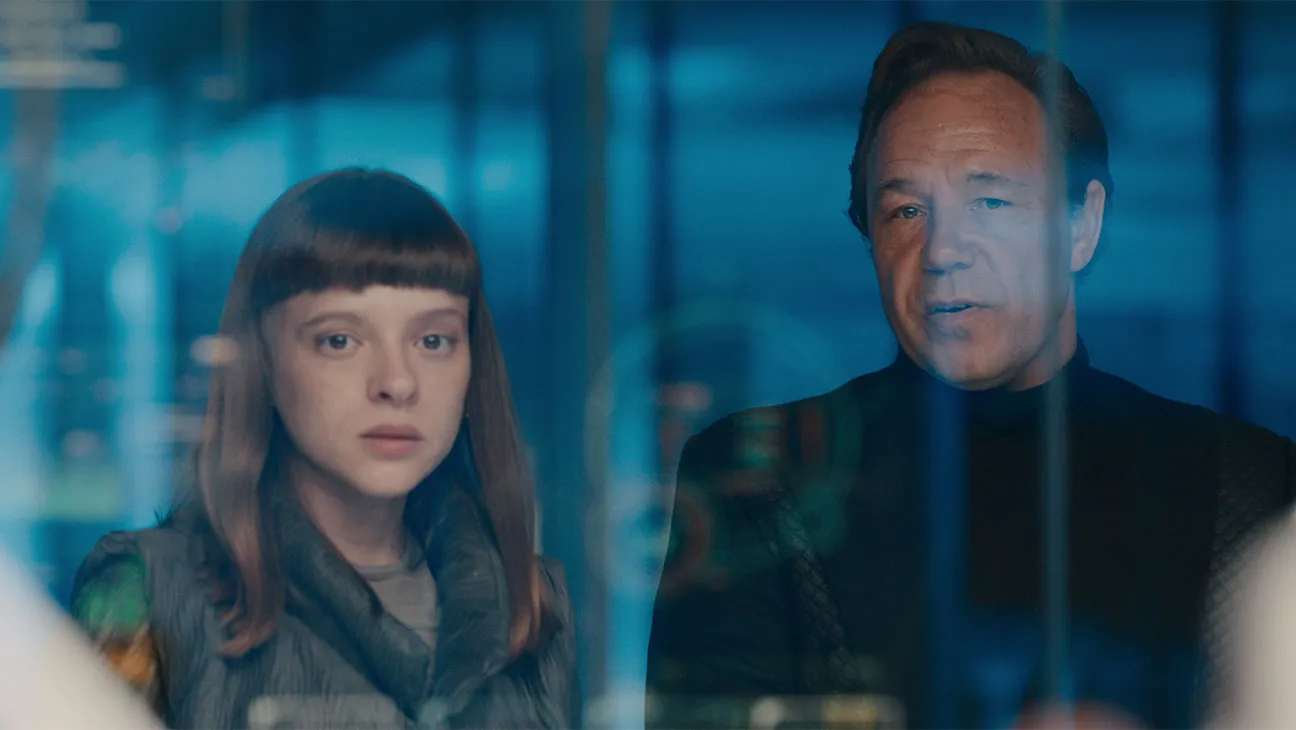
Exhibit Number One: Netflix’s Bodies, based on the 2015 graphic novel from the imagination of the late Si Spencer. Bodies very cleverly marries the great British obsession with detective stories with some very dark, labyrinthine, and quite arcane SF concepts and utilises the now apparently de rigueur fad for narratives unfolding across multiple timelines. Where this can be at best tolerable and at worst bloody irritating, Bodies gets away with it because its timelines are recognisably distinct – they’re virtually characters in themselves – and each of them is populated by an intriguing, complex roll call of dramatis personae all living in beautifully realised period settings. Yet its core story isn’t especially original – fans of The Terminator and even 1972’s Doctor Who serial Day of the Daleks will recognise the conceit here – travellers from the future use time travel technology to change the course of history to prevent their dystopian future world from ever existing.
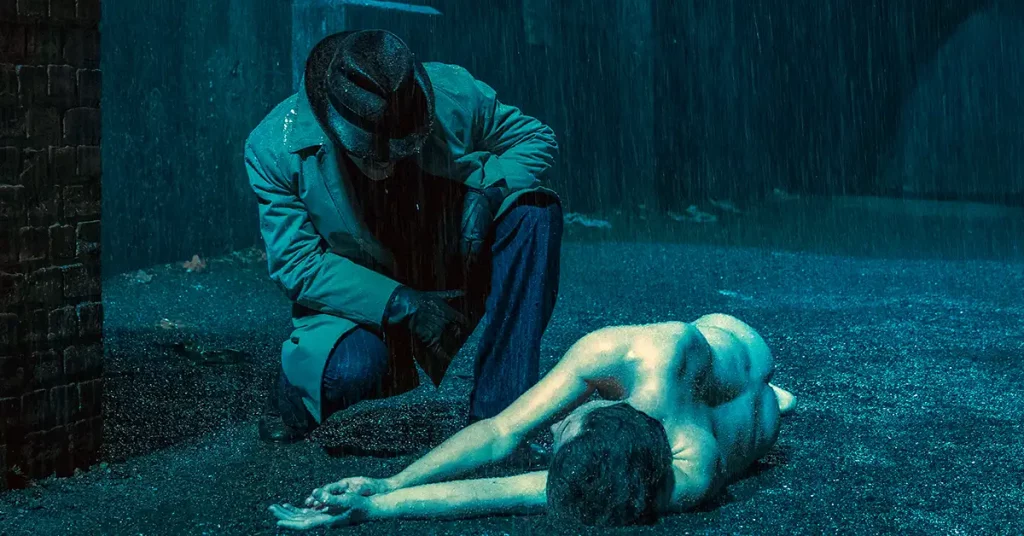
During a supervised protest through London, DS Shahara Hasan (Amaka Okafor) of the Metropolitan Police chases an armed teenager and discovers the body of a naked man with a gunshot wound through one eye and a strange tattoo on his wrist in the remote Longharvest Lane in Whitechapel. Eventually detained, the teenager explains to Shahara that she was meant to find the body – and then he commits suicide after uttering the words “know you are loved”. In 1941, DS Charles Whiteman (Jacob Fortune-Lloyd), working for a mysterious agency that ends its covert telephone calls with the words “know you are loved”, is dispatched to recover an identical body from wartime Longharvest Lane. In 1890, Detective Inspector Alfred Hillinghead (Kyle Soller) is on the scene when another identical naked body is found in Longharvest Lane, and his investigations lead him into contact with rakish photographer and journalist Henry Ashe (George Parker), who will have a devastating impact upon his life. Finally, in 2053, DC Iris Maplewood (Shira Haas) detects an electromagnetic anomaly that leads her to the now long-abandoned Longharvest Lane, where she finds the same man – but here he’s still alive.
What’s going on here? How can the same body pitch up in four wildly different time zones? Who has injured/killed him – and why? What strange conspiracy connects four police officers across 163 years of Time? You’ll really have to watch the eight-episode series to find out – and it won’t be time wasted. Bodies is absolutely gripping from the get-go – and yes, it’s another of those shows that forced me to binge-watch it over a couple of days because once you’re in, you’re in; this is a series that quickly sinks its claws into your curiosity, and your imagination and every episode peels back a layer of the mystery by adding a bit more detail, a bit more light, shade, and colour to its cross-generational characters while simultaneously adding even more intrigue as its story slowly unfolds and winds its way into different, quite unexpected directions. You might well need your own scorecard to keep up with the twists and turns of the plot, especially deeper into the series when the proper sci-fi elements kick into high gear. Suffice to say that the connection between all these time zones, all these identical bodies and all these police investigations involves a devastating incident in London in 2023, which brought about a very different society where ‘United Britain’ is in the thrall of a militia called ‘The Executive’ led by the apparently-benevolent but deeply sinister Commander Elias Mannix (Stephen Graham). The Executive’s slogan is “Know You Are Loved”…
I think that’s all you’re going to get from me on this one. In a year already blessed with some genuinely ground-breaking, hugely ambitious genre series, some of the best of their type ever made, Bodies is effortlessly right up there with the best of them. It’s a real puzzlebox series, beautifully crafted and boasting yet another stellar performance from Stephen Graham, surely Britain’s finest actor at the moment, in addition to a cast of relative newcomers and less well-known performers with some welcome cameos from Greta Scacchi, Michael Jibson, Derek Riddell, Kate (Shaun of the Dead) Ashfield, and Mark Lewis-Jones. Bodies is another big home win for genre TV, a series guaranteed to reward repeat viewings. Even if its story is ultimately mining a familiar science fiction time travel theme, you’re sure to be impressed by the stylishness with which it’s done and the ruthless intelligence and inventiveness of the script, and the framework of the story generally. I’m often to be found bemoaning the lack of genre TV created in Britain in this column, but if nothing else, the voracious appetite of the streaming revolution has forced commissioners and producers to dig a little deeper in their search for content on which to splash their considerable resources of cash and shows like Bodies probably wouldn’t exist without the deep pockets of Netflix. The era of prime, top-quality TV continues, and Bodies is pretty much as good as it gets. If, like me, you were initially wary of its ‘just another detective series’ veneer, be assured this is a series that wears the clothes of a cop show and then adds extra layers of the good stuff. It’s another show that you really can’t afford to miss.
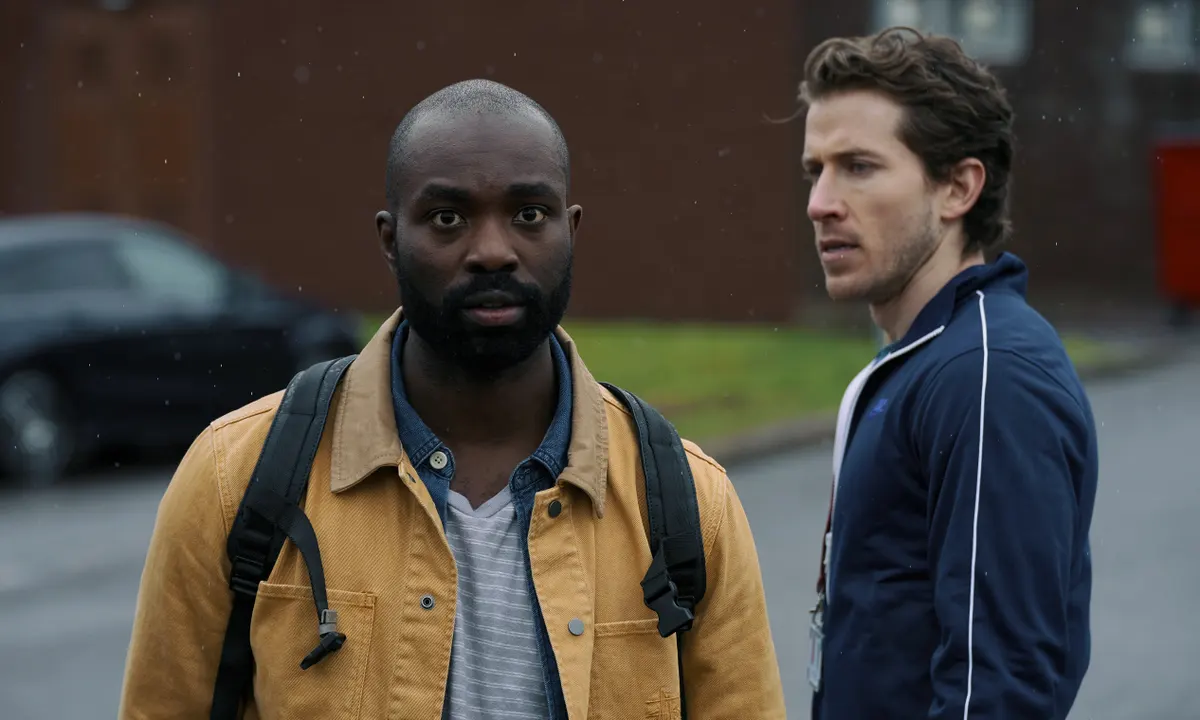
THE LAZARUS PROJECT
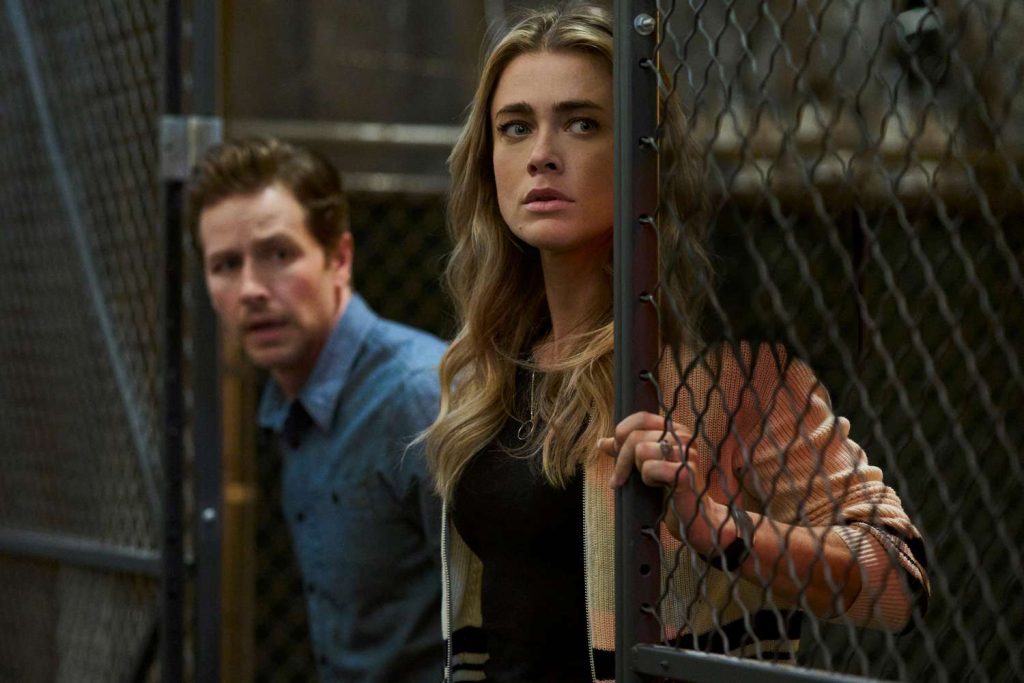
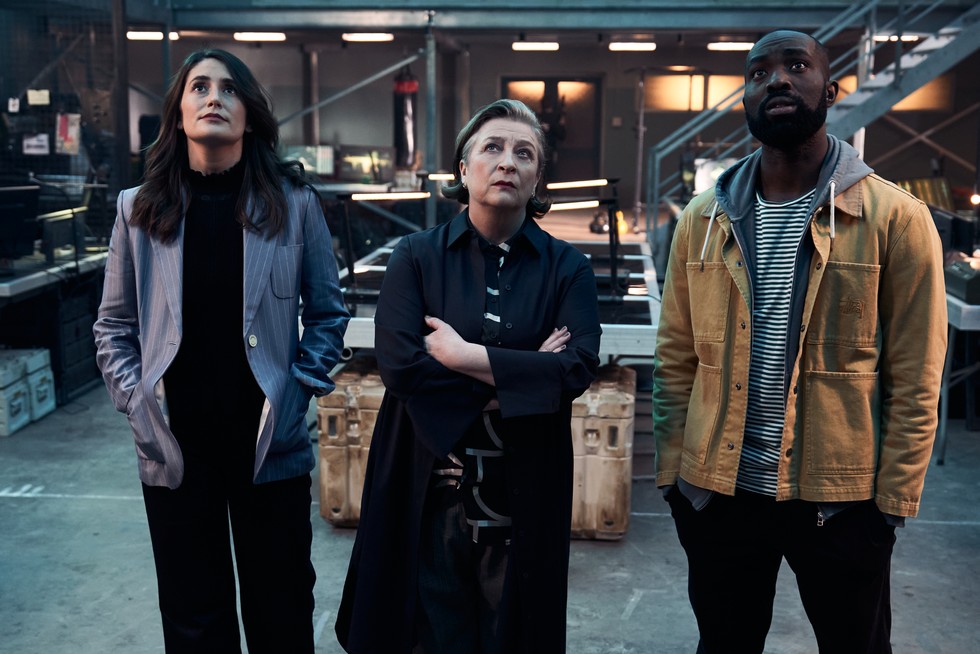
Exhibit Number Two. One of last year’s big hits for Sky Max in the UK has returned for its second season this autumn – and it’s bigger, braver, and much, much madder than it was first time out of the blocks. This is The Lazarus Project, created and written by Joe Barton and starring Paapa Essiedu, Tom Burke, Anjli Mohindra and an on-fire (not literally) Caroline Quentin. If you missed or skipped the first series in 2022, The Lazarus Project introduced us to George (Essiedu), who discovers that he is one of only 0.000001% of the population blessed/cursed with a mutant gene that allows him to recognise that time seems to be constantly reverting back to July 1st. He eventually becomes enrolled on The Lazarus Project, an extremely Torchwood-like top-secret organisation operating in an underground base in London tasked with keeping out a watching eye for possible apocalyptic events and, if it can’t prevent them, resetting time back to the most recent July 1st prior to the devastating incident in the original timeline. George is recruited as a field agent, but when his girlfriend Sarah (Charly Clive) is killed in a road accident, George breaks all the rules by instigating a conflict between Russia and America, which will force the Project to reset to the July 1st before his girlfriend died. The series ended with George disgraced and the revelation that the Chinese have created their own ‘time reset’ facility, which conflicts with the work of The Lazarus Project (are you keeping up with all this? We’ve only just started!) and the universe has somehow been thrown into a never-ending thee-week time loop. Don’t ask me, I didn’t write it.
I’ve always hated it when sniffy broadsheet critics describe sci-fi as ‘hokum’, but by all the gods, The Lazarus Project is hokum. It’s also incredibly entertaining, mind-frazzling hokum, and this latest eight-episode second season elevates the hokum level to the power of at least a dozen. This is now a show that happily doubles down on its new time travel remit, and it’s oddly refreshing to see proper, serious actors talking about time machines and time loops and end-of-the-world scenarios with the sort of gravitas usually reserved for mundane murders and missing person investigations. Series Two is The Lazarus Project dialled up to maximum absurdity Level, and if its dizzying plot contrivances aren’t always easy to keep up with – our heroes find themselves travelling through time in a plane with a time machine device built into it and for various reasons are flung about the place again and again as they attempt to get back to the point in time the plot requires them to be in – it’s never less than hugely enjoyable and wildly ambitious. There are a number of dynamic gun battles and action sequences, and Barton’s insidious scripts have the audacity to revisit events from the first series that viewers might have forgotten to change the very nature of George and Sarah’s relationship. Sam (grandson of Patrick) Troughton joins the cast as one of the scientists responsible for the creation of the proper time machine, running for his life (often repeatedly as time is ‘reset’) as the rest of his group (including the always-excellent Vinette Robinson) are picked off one by one in an attempt, orchestrated by a familiar face from the cast, to stop the time machine being created at all. Caroline Quentin as the Project’s boss Wes reveals a rather different side to her character and is at the heart of some nail-biting tension in the penultimate episode when she faces making the ultimate professional decision and absolutely refuses to do so for the sake of the human race despite the potential consequences for her own family.
Joe Barton recently admitted that writing the second series, commissioned just as the first finished and with a production commencement date set for just two months later, he was driven to distraction trying to keep up with the infernal leaps in logic of the plot he was piecing together. I can’t honestly say whether it all hangs together or whether it all makes sense in the end but it was a brilliant high energy ride nevertheless, and if Sky commissions a third series then Barton only has himself to blame as a cheeky sequence at the end of the credits of the final episode clearly suggest that there’s more story to tell and new directions for The Lazarus Project to explore. Go on, Joe, you know you want to…
MONARCH: LEGACY OF MONSTERS
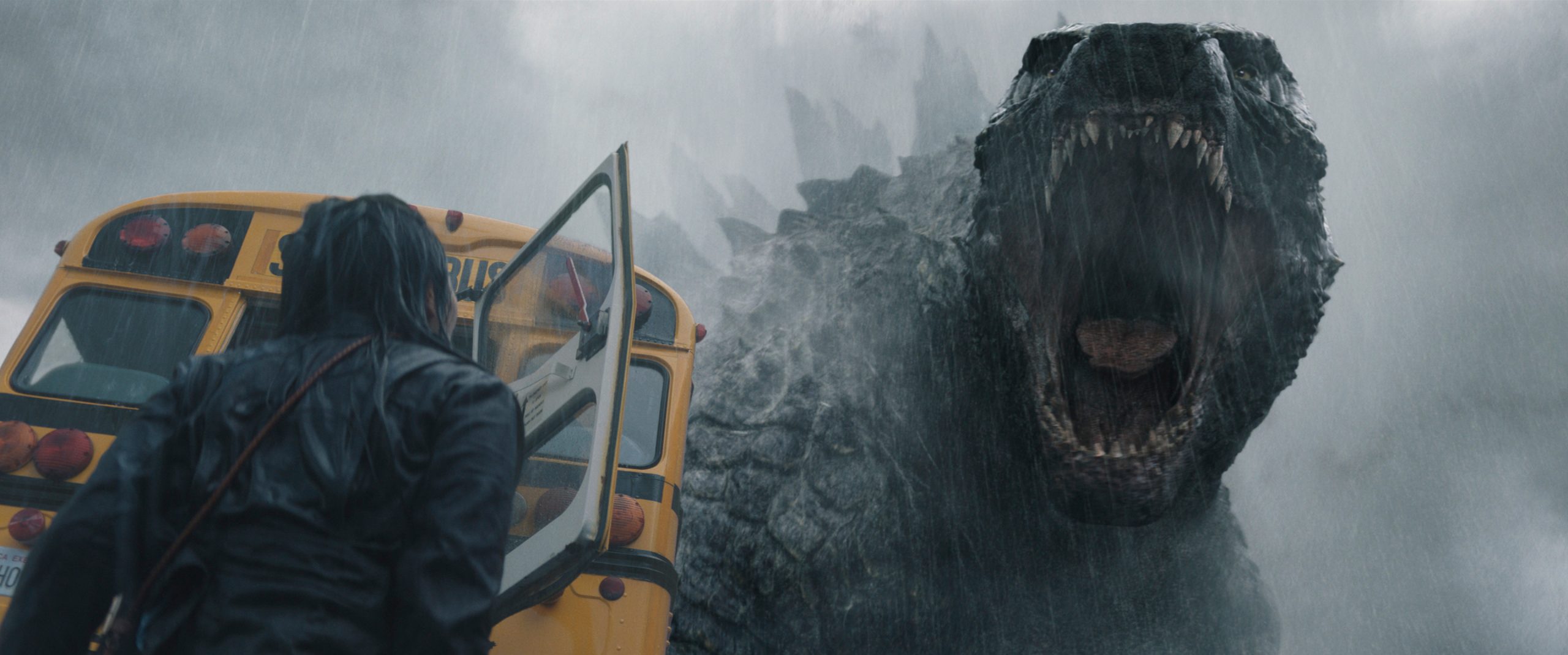
The general consensus seems to be that Legendary Pictures’ attempt to establish a cinematic ‘Monsterverse’, including the likes of King Kong, Godzilla and all his associated creepazoids rebranded as ‘Titans’, hasn’t been an unparalleled success. Whilst Kong: Skull Island (2017) and Godzilla vs Kong (2021) were significant improvements upon the likes of Gareth Edwards’ deary Godzilla (2014) and the genuinely dreadful Godzilla: King of the Monsters (2019), the whole project has suffered from a surfeit of fuzzy, often undercooked monster action and a paucity of investment in the blandly written human characters. I mean, seriously, where the hell was the human interest in King of the Monsters? Fortunately, things are changing; the entirely unconnected Godzilla Minus One (in cinemas now, monster fans!) delivers genuine spectacle and characters the audience can actually care about (gasp!) and Legendary’s ten-part series Monarch: Legacy of Monsters (Apple TV+) is attempting to do likewise and is largely succeeding.
This is another of those pesky ‘multiple timeline’ TV series – come on, TV writers, what’s wrong with a proper linear narrative now and again? It’s set both in 2015 (one year after the monster attack portrayed in Edwards’ Godzilla) and in various years between 1952 and 1959 in the early days of the monster-hunting organisation Monarch, dovetailing with various conspiracies and cover-ups, all topped up by random cameo appearances of various Titans including Godzilla himself. It’s an intriguing and dynamic series, but it’s another one you’ll need to pay very close attention to as it leaps around the decades with happy abandon, never signposting its time changes to the audience and expecting us to remember the relationship dynamics between the various groups as they dig deeper into the mystery of Monarch and the creatures that lurk below the Earth’s surface. Helpfully, Kurt Russell and his son Wyatt are both cast as Lee Shaw, a US Army colonel who is initially (in the 1950s, played by Wyatt) cast as a bodyguard to Mari Yamamoto’s Dr Miura and in 2015 (as Kurt) kept under house arrest in a Monarch-controlled retirement facility in Japan (which would make his character about 90 in the series’ timeline which clearly isn’t the case considering he hurls himself into monster-chasing with the relish of a man fifty years his junior).
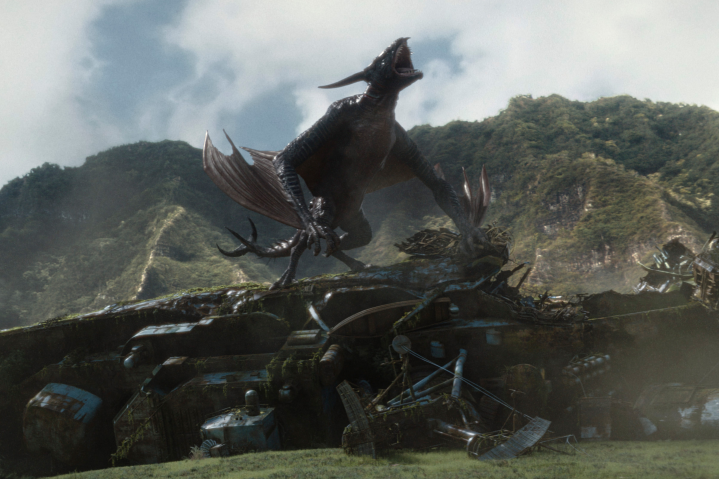
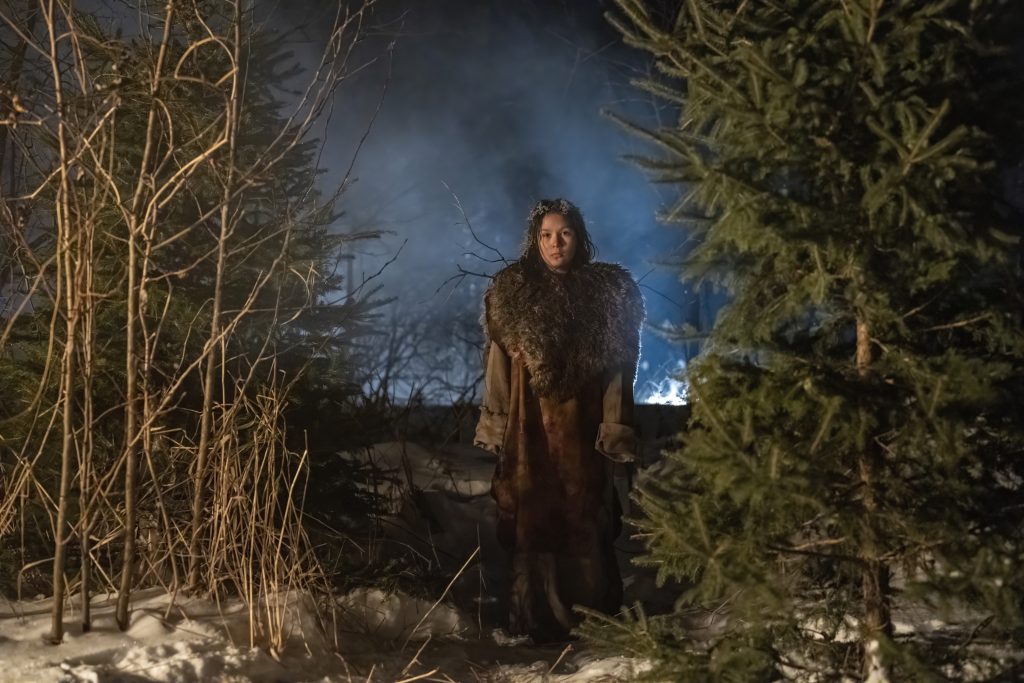
Monarch: Legacy of Monsters does exactly what Monsterverse fans have wanted since the film series started – it gives us well-rounded, motivated and generally quite interesting people to follow. It doesn’t, however, give us much in the way of monster action – and because we’re a contrary, hard-to-please bunch, we’re left waiting for the monsters to turn up and really kick the show fully into life. When the monsters do pop up, they’re wonderful; Episode One offers us a giant spider and insectoid Endoswarmers, an Ion Dragon is awakened in Episode Two, a Graboid-like Frost Vark appears in Alaska, and Godzilla makes a spectacular entrance at the end of Episode Six. It’s big, hearty stuff, and the show teases us with its monsters – fabulously CGI’d, of course – but emphasises the human interest, which only threatens to lose focus because it leaps around so many different time zones. It’s a minor criticism really because this is a handsome and lavish series and even if it’s a bit of a ‘be careful what you wish for’ scenario with its emphasis on human drama rather than monster carnage, it does manage to engender a proper sense of growing (or should that be growling?) menace that really works because the characters have some weight and presence as opposed to the witless cyphers of so many of the Monsterverse films to date. As long as you dial down your monstrous expectations, you’ll find there’s some fun to be had in M:LOM, even if the constant time jumps will require you to properly keep your wits about you if you want to get your head around a sometimes frustratingly over-complex plot.
DOCTOR WHO
He’s back… and it’s about time! Russell T Davies’ long-awaited return to the ‘Whoniverse’ (as the entire Doctor Who TV canon and its various spin-offs are now called under its new umbrella title) finally hit the screen recently in the shape of three 60th Anniversary specials that clearly weren’t designed to ‘celebrate’ 60 years of Doctor Who but rather aired across the anniversary period. Hence, many wishful-thinking fans were left disappointed when the episodes weren’t multi-Doctor episodes featuring guest appearances from creaking old companions and mouldering monsters but were rather more concerned with carving out a path leading directly into the hotly-anticipated ‘new era’ starting on Christmas Day with the first full appearance by Ncuti Gatwa as the Fifteenth Doctor.
If you’ve listened to the second episode of The Blue Box Podcast, STARBURST’s all-new Doctor Who show (and if you haven’t, why not?), you’ll have heard me put forward my theory that these three episodes – The Star Beast, Wild Blue Yonder, and The Giggle – were really a compressed version of a typical Davies season from the early days of the 21st-century reboot. The Star Beast was a big, daft, colourful, madcap, family-friendly romp in the style of Series 3’s Smith and Jones and Series 4’s Partners in Crime. Wild Blue Yonder resembled something weird from later on in the season – Series 2’s Love & Monsters or Series 4’s Midnight (which seemed to inspire certain elements of what was essentially a two-hander between Tate and Tennant), and the game-changing The Giggle was a huge, gloves-off finale reminiscent (particularly) of Series 3’s Last of the Time Lords and Series 4’s The Stolen Earth. Even though I will continue to defend the much-maligned Chris Chibnall era, which was nothing like as bad as the angry Internet manbabies would have you believe, dear god, it’s good to have Russell T Davies back in the showrunner’s chair…
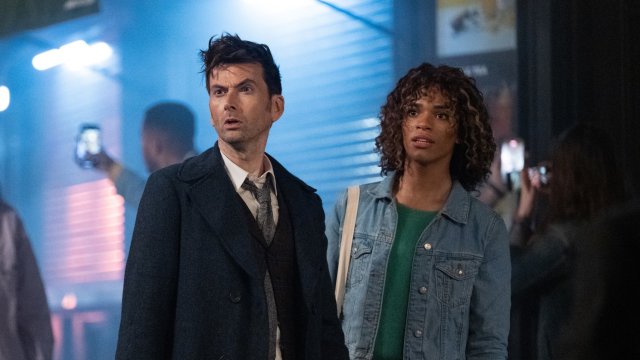
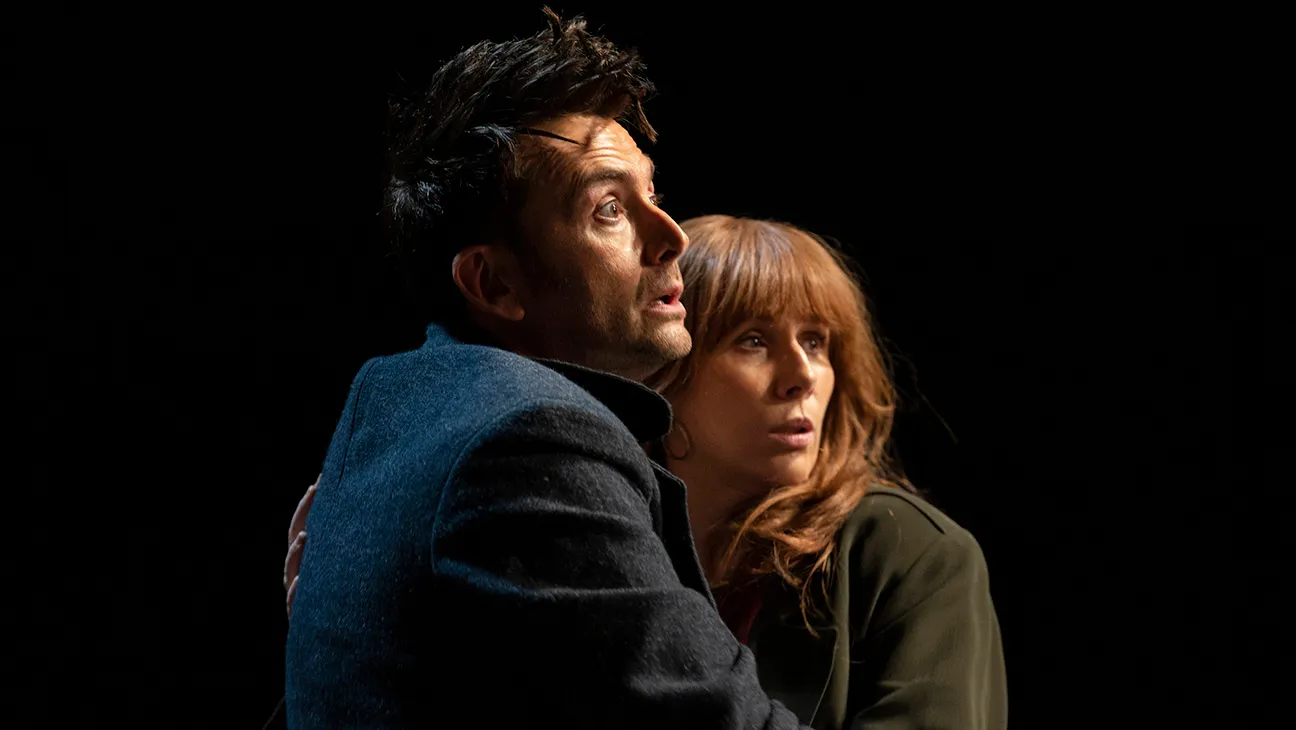
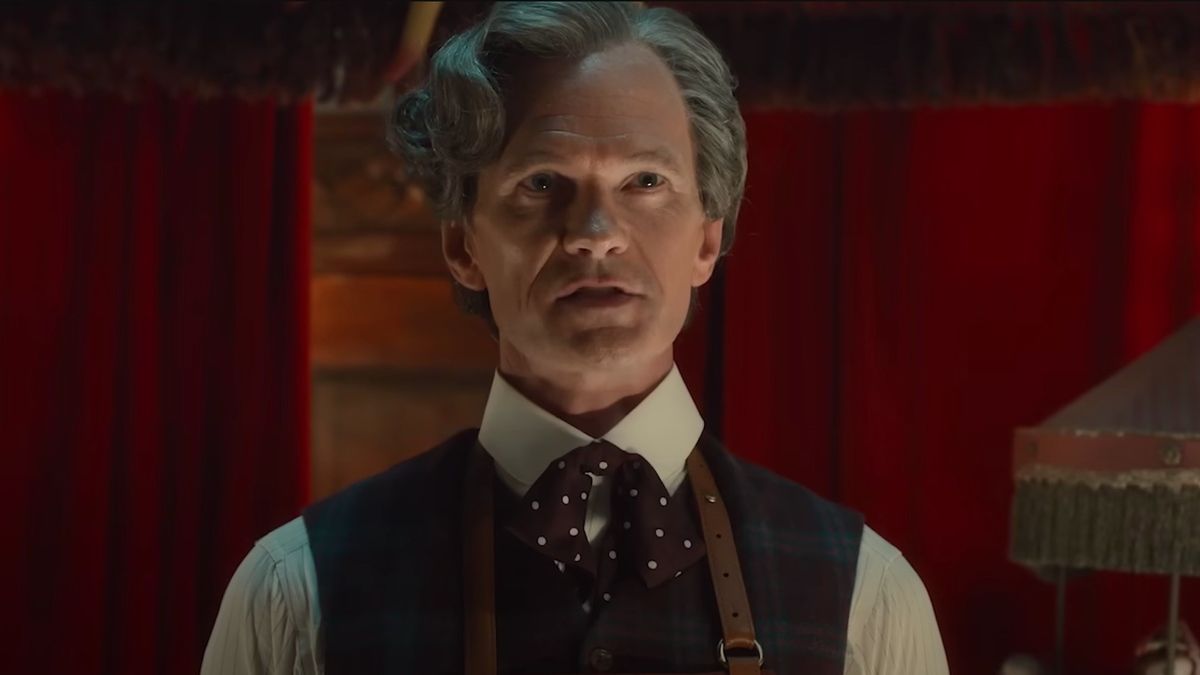
With the 60th Anniversary itself being broadly celebrated elsewhere in the Whoniverse, these three episodes were clearly engineered to celebrate the gold star casting of David Tennant and Catherine Tate, a partnership that made 2008’s fourth series easily the best yet of modern Who. With both actors having expressed a very real willingness to go ‘once more around the block’ with the characters, it’s hardly surprising that Davies leapt at the opportunity to write for these beloved characters again and, as a consequence, resume the mantle of series showrunner for the big, budget-bloated Bad Wolf/Disney era that’s just about to start in earnest. It was also an opportunity to quickly right a ship that had been on somewhat rocky ground since Davies left it way back in 2009, and it’s quite amazing how quickly the show has found its feet and become an important, valued and much talked-about cornerstone of our television culture again. Ratings have surged; the show and its stars are pretty much everywhere; there’s a real and palpable excitement in the air for the show after a few fallow years, and these three thrilling, audacious, daft and occasionally outrageous special episodes succeeded in reigniting a fire that had been burning dangerously low for the last decade or so. The Star Beast, based on an old comic strip from Doctor Who Weekly, was a joyous and cheekily unsubtle romp that happily raised the hackles of many of the show’s less tolerant devotees, and Wild Blue Wonder edged the Doctor and Donna into darker territory, trapped aboard a spaceship at the very edge of the universe and faced with strange alien creatures that mimicked their appearance and their behaviour – a real case of ‘Who’s Who?’ if ever there was one. So far, so good – and surprisingly familiar. However, the final special – The Giggle – blew the doors off and allowed Davies’ crazy imagination to run wild as he started to demonstrate how his writing for the series has changed over the years since he left, signposting that the show, when it relaunches properly on Christmas Day, is likely to be something very different indeed. The Giggle bristled with energy and ideas as Tennant’s Fourteenth Doctor – his return to ‘an old favourite’ appearance yet to be explained – found himself facing off against one of his oldest adversaries as the world started to fall into chaos. The conceit here was as brilliantly spiky as we must expect from one of our brightest writers. The returning Toymaker (played fizzingly and often terrifyingly by Neil Patrick Harris) has used television and the Internet to infiltrate everyone on the planet, turning the unfortunate and troubling modern social media phenomenon where everyone’s opinion is the right opinion all the time into a weapon to bring the planet to his knees. In truth, I’d like to have seen a bit more of this chaos rather than one mild riot staged on the streets of Bristol, but as Davies’ script nimbly took us to UNIT’s new giant Avengers tower HQ in the middle of London, the episode swept off into other directions so quickly it was hard to care all that much about what was going on down on the streets.
In a run of episodes characterised by stand-out moments – the Doctor and Donna reuniting and Donna’s ‘resurrection’ in The Star Beast, the meme-teasing “my arms are too long” and the Doctor and Donna chased by swollen, grotesque doppelgangers of themselves and, of course, the glorious return of the late and much-missed Bernard Cribbins as Wilf for one last hurrah in Wild Blue Yonder, The Giggle went into overdrive. Where to start? The return of screechy 1980s companion Mel (Bonnie Langford) as a fully paid-up member of the UNIT team, those puppets menacing Catherine Tate in the Toymaker’s domain in 1925 (if Doctor Who was ever going to give me a shiver again it was here – and it did), the Toymaker’s insane killing spree in UNIT HQ to the chart-topping sound of the Spice Girls, the bi-generation… ah yes, the bi-generation. The arrival of Gatwa’s Fifteenth Doctor to fight the Toymaker alongside Tennant’s Fourteenth for the last twenty minutes of the episode was a canon-busting masterstroke that seems to have gone down rather well even with many of the show’s most vocal “Why isn’t it still 1967?” fans. Blasted by the Toymaker with UNIT’s ‘galvanic beam’, Tennant’s Doctor prepares for the trauma of regeneration – only for his body to literally split into two, his next incarnation eventually peeling off into a separate entity, Gatwa clad only in tighty-whities, bursting with manic energy and enthusiasm, and embracing the madness of the character within seconds.
The episode ended, of course, with a poignant and entirely fitting ‘end’ (yeah, right…) to Tennant’s return to his most cherished role. Davies deftly and emotionally reversed the fate he had given Tennant last time, a mercilessly downbeat ending in 2009’s End of Time: Part 2, with the Doctor having returned to the image of 10th incarnation driven by an unconscious need to reunite with and repair his best friend Donna and find some sort of peace and respite from a life racing across the Universe dodging Daleks and crippling Cybermen. There are effectively now two Doctors at large; in a moment that stretches the credibility even of Doctor Who, the new Doctor manages to extract his own TARDIS from the original and flies off into his future, leaving Tennant to enjoy a relaxing summer picnic with the Nobles, his new family here on Earth. He’ll be back in some form or other, I feel I can almost guarantee it…
In these three episodes, Davies not only reinvigorated Doctor Who, but he indicated that he’s prepared to take it into entirely new narrative areas and to hell with the canon. That’s how it should be; Doctor Who has survived for sixty years because of its ability to evolve within its own fluid format subtly. He’s already suggested that future episodes will move into more fantastical Stranger Things territory now and again – trailers for the Christmas special suggest the sort of nightmare fairytale vibe his immediate successor Steven Moffat seemed to be striving for with his reinvention of the show as a ‘fairytale’ but just wasn’t able to nail with any conviction. Davies is an older and more fearless writer now, working in a grimmer, angrier world; several inclusive elements of these specials touched sensitive nerves amongst the YouTube ‘go woke, go broke’ crowd, and that can never be a bad thing. I’m on board with pretty much anything Davies decides to do, I trust him that much, but even I’m not averse to a little bit of nay-saying – I can’t agree with his decision to take Davros out of his ‘life support system’ (I never regarded it as a wheelchair and I don’t associate those using wheelchairs in the real world as evil and I don’t believe anyone seriously ever has) and race-swapping Isaac Newton for his brief, comedic cameo in ‘Wild Blue Yonder’ just came across a bit like unnecessary bear-prodding. But all in all, I’m happy that Davies is back; it’s been a joy seeing the Tennant/Tate dream team on screen again, and Gatwa certainly made an impression with his compelling and compassionate turn in The Giggle. The future’s looking bright; it may be a bumpy ride here and there (it always is with Doctor Who), but the show is clearly going to be adapting and changing to reflect the real world as Davies uses the most flexible TV format in the world to continue to tell the sort of mad, crazy, illogical, irreverent, socially-relevant – and hopefully more often than not downright brilliant – stories that only Doctor Who can tell. Here’s to the future. Allons-y!
That’s it for this special column and, indeed, for 2023. Have yerself a Merry Christmas ya filthy animals. See you back in the TV Zone in issue 485 in March!