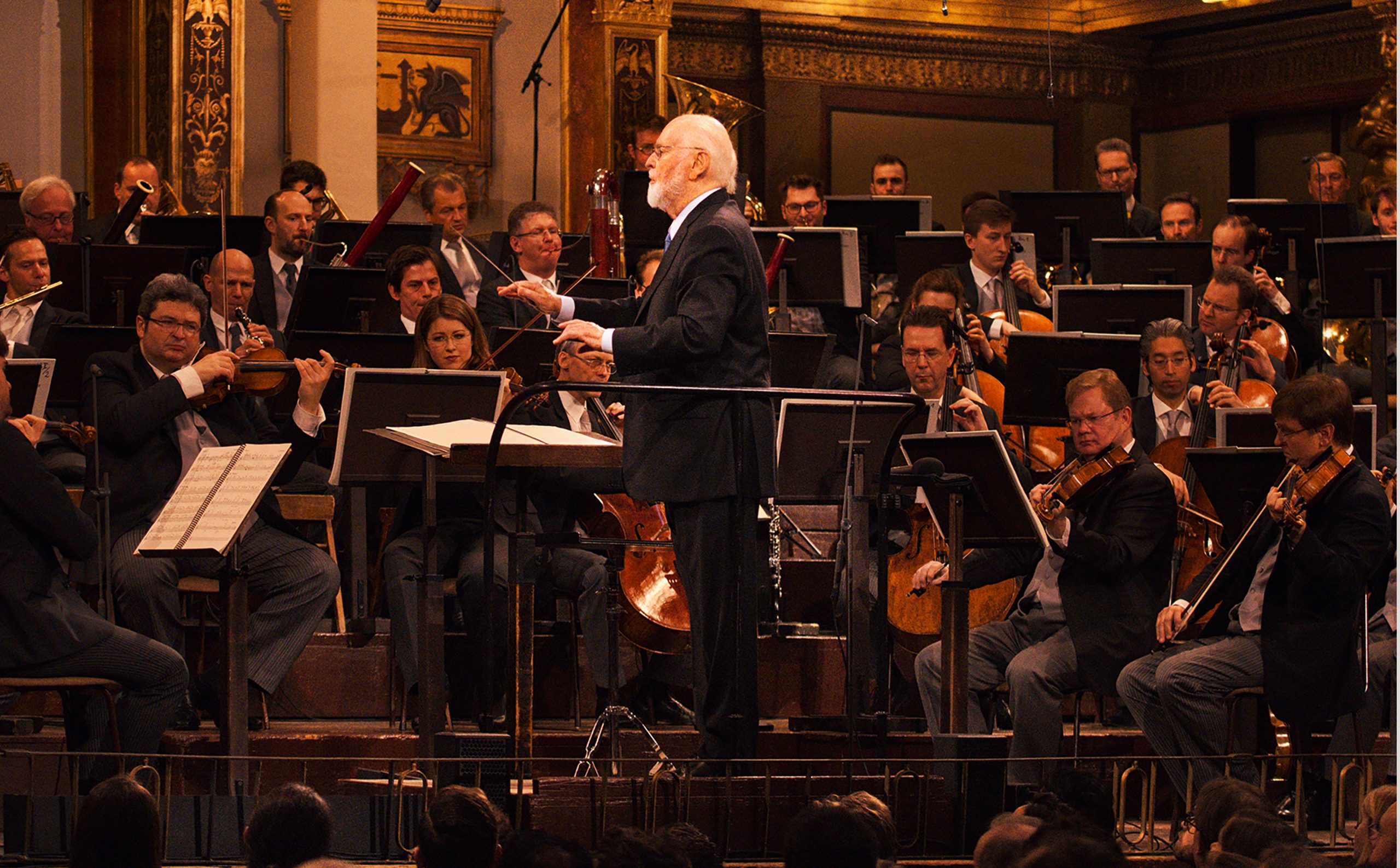
Music has been an integral part of storytelling for centuries, and its importance in film and television cannot be overstated. From setting the mood to highlighting key moments, music enhances the narrative and emotional impact of visual media. This article explores the various ways in which music plays a crucial role in enhancing the narratives of films and TV shows.
Setting the Mood and Atmosphere
Establishing Tone
Music is often the first element to set the tone of a film or TV show. A haunting score can immediately signal that a thriller or horror scene is about to unfold, while a cheerful melody can set the stage for a romantic or comedic scene. By establishing the tone early on, music prepares the audience for the type of story they are about to experience.
Creating Immersion
Music helps create an immersive experience by drawing the audience into the world of the story. The right background score can make a scene feel more vivid and real, enhancing the overall viewing experience. For instance, the grand orchestral scores in epic films like “The Lord of the Rings” make the fictional world of Middle-earth feel alive and expansive.
Enhancing Emotional Impact
Evoking Emotions
One of the most powerful roles of music in film and TV is its ability to evoke emotions. A well-composed score can amplify the emotional weight of a scene, making viewers feel the joy, sadness, fear, or excitement experienced by the characters. For example, the heart-wrenching music in “Schindler’s List” enhances the sorrow and gravity of the Holocaust narrative.
Highlighting Key Moments
Music can also highlight key moments in a story, drawing attention to significant events or turning points. The use of a dramatic crescendo during a climactic scene or a soft, tender melody during a poignant moment can underscore the importance of these events, making them more memorable for the audience. Similarly, in the world of cannabis cultivation, selecting the right seeds is crucial. For example, choosing Blue Dream strain seeds can significantly impact the quality and yield of your harvest, making it a favorite among growers.
Supporting Character Development
Character Themes
Composers often create specific themes or leitmotifs for characters, which are musical phrases associated with a particular character. These themes can help convey a character’s personality, motivations, and development throughout the story. For example, Darth Vader’s “Imperial March” in “Star Wars” instantly signifies his presence and underscores his menacing nature.
Reflecting Internal States
Music can also reflect a character’s internal state, providing insight into their thoughts and emotions. A character experiencing turmoil might be accompanied by dissonant, unsettling music, while a character in love might have a gentle, lyrical theme. This use of music helps the audience connect more deeply with the characters and their journeys.
Enhancing Narrative Pacing
Building Tension
Music plays a crucial role in building tension and suspense in a narrative. By gradually increasing the tempo, volume, or intensity of the music, composers can create a sense of anticipation and keep the audience on the edge of their seats. This technique is frequently used in thriller and horror genres to heighten the sense of impending danger.
Providing Relief
Conversely, music can also provide relief and relaxation, offering a momentary respite from the tension. Light-hearted or soothing music can serve as a contrast to intense scenes, giving the audience a chance to breathe and process what they have just witnessed. This balance helps maintain the overall pacing of the narrative.
Bridging Temporal and Spatial Gaps
Indicating Time Periods
Music can indicate the time period in which a story is set, helping to ground the narrative in a specific era. Period-specific music, whether it’s the classical compositions of the 18th century or the rock and roll hits of the 1960s, can transport the audience to the story’s historical context and enhance the authenticity of the setting.
Transitioning Between Scenes
Music is often used to transition between scenes or locations, providing a seamless flow to the narrative. The use of musical cues can signal a change in time or place, helping the audience follow the story’s progression without confusion. For example, a change from a fast-paced, energetic track to a slow, contemplative piece can indicate a shift from an action sequence to a reflective moment.
Cultural Significance and Symbolism
Representing Cultures
Music can represent different cultures and their unique identities, adding depth to the narrative. The use of traditional instruments and musical styles can enhance the portrayal of a specific cultural setting, making it more immersive and authentic. For instance, the use of African drums and rhythms in “The Lion King” helps convey the cultural backdrop of the story.
Symbolic Meaning
Music can also carry symbolic meaning, reinforcing themes and motifs within the narrative. A recurring musical motif can symbolize a central idea or emotion, adding layers of meaning to the story. For example, the recurring piano theme in “Amélie” symbolizes the protagonist’s whimsical and introspective nature.
Conclusion
Music is an indispensable tool in the art of storytelling in film and television. Its ability to set the mood, evoke emotions, support character development, enhance pacing, bridge gaps, and convey cultural significance makes it a powerful component of narrative construction. By understanding and appreciating the role of music, viewers can gain a deeper insight into the stories they love and the creative processes behind them.