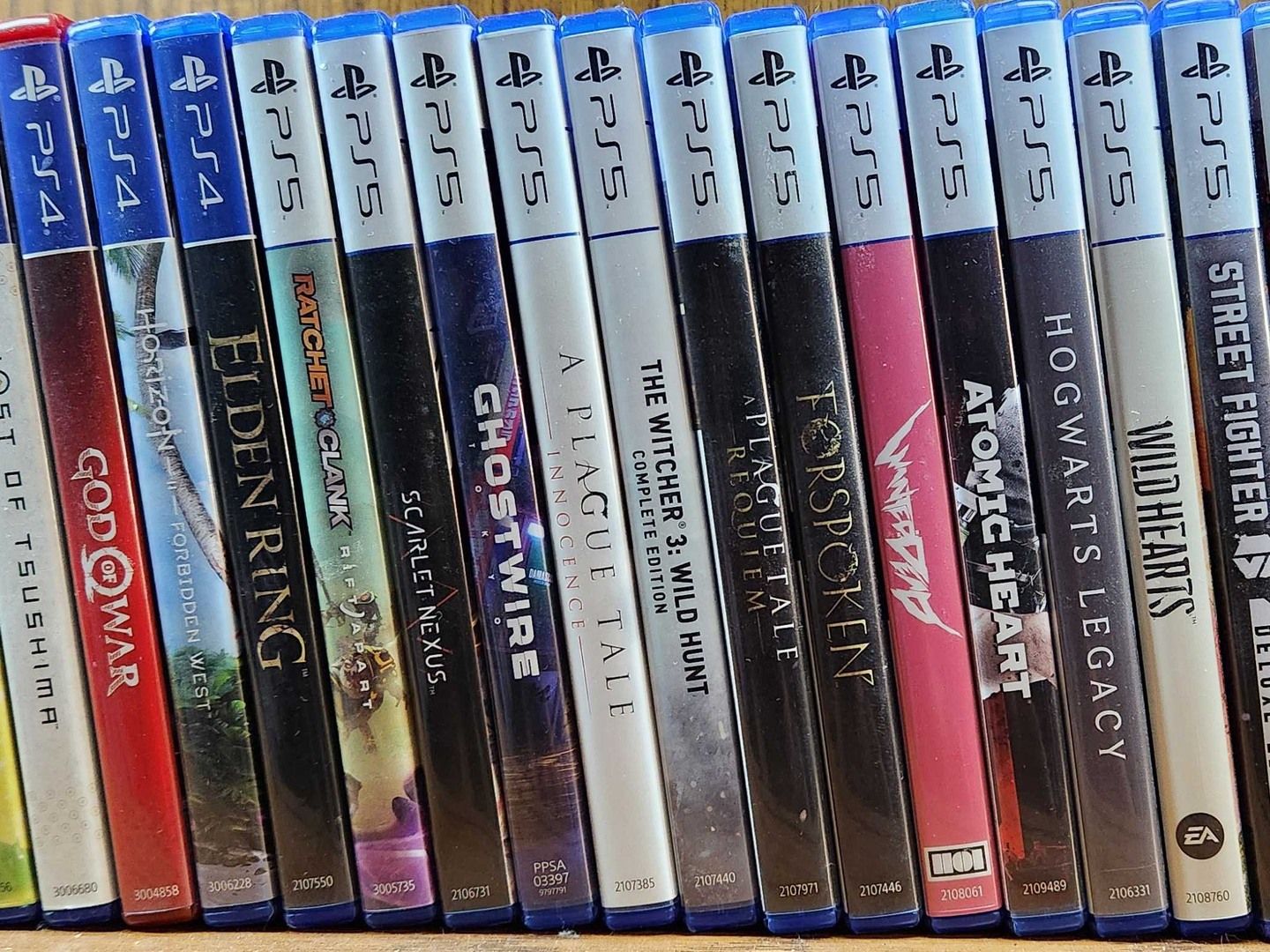
Video games have changed almost beyond recognition over the last decade. Digital storefronts, subscription libraries and streaming platforms have reshaped how people play, and yet boxed games refuse to fade away. If anything, they’ve found a second life. Collectors, longtime enthusiasts and players who simply like holding something real have kept physical editions alive, and in some corners of the hobby, thriving.
Part of this comeback is tied to entertainment culture more broadly, where limited runs and special editions still carry weight with fans. Anyone browsing international releases or looking into secure ways to shop online across regions can visit the ExpressVPN homepage for more details. Gaming has also grown closer to film and television than ever before, and outlets covering news about cinema increasingly touch on games as part of the same cultural conversation. That overlap has pulled physical games further into the wider collector world.
Online communities have played a big part in this too. Collectors swap tips, hunt down rare printings and track down releases that never made it to their home region, often relying on digital tools to do it. Some turn to a VPN when browsing marketplaces or forums based in other countries, especially for titles that are region-locked or simply hard to find at home.
Why physical games are making a comeback
For a long time, it looked like physical copies were on their way out, squeezed out by the sheer convenience of digital downloads. That prediction hasn’t really held up. People still buy boxed games, and not just for access to the title itself — there’s something about ownership, about having a collection you can point to, that digital libraries don’t quite replicate.
A lot of it comes down to sentiment. A game on a shelf can carry memories of a specific summer, a franchise you grew up with, a friend you played it with. It’s not so different from how people collect vinyl records or hang on to old DVDs — the object becomes part of the memory, not just a means of accessing it.
Publishers have noticed. Limited runs, anniversary reissues and collector’s boxes have become far more common than they used to be, often packed with art books, steelbooks or extras clearly aimed at people who want more than just the disc.
Nostalgia’s role in gaming collections
Nostalgia is probably the single biggest force behind this. Plenty of players who grew up with cartridges and discs are now old enough to actually afford tracking them down again, and that’s created a strange but nice bridge between older gamers and younger ones discovering the same formats for the first time.
Retro gaming used to be a niche interest; now it’s closer to a full-blown movement. Reissued consoles, remastered cartridges and physical runs of indie titles have all found an audience among people who want something more permanent than a digital download. Owning the physical thing just seems to matter more to a lot of players.
Communities have done a lot of the heavy lifting here as well. Forums, social groups and collector circles trade information constantly — what’s rare, what’s overpriced, what’s worth grabbing before it disappears — and in doing so they’ve turned physical games into something closer to cultural artifacts than simple products.
Physical releases in a digital-first industry
None of this means digital is losing ground — it isn’t. Online stores, cloud gaming and subscriptions are as central to the industry as ever. The two formats have simply settled into coexistence, each serving a different kind of player, sometimes the same player on a different day.
Digital wins on convenience — you buy it, you play it, done. Physical wins on the things that come after: resale, display, the simple pleasure of a shelf that tells a story about what you’ve played. Which format someone reaches for often just depends on how they feel about that particular title.
Physical games have had to adapt, too. Day-one patches and post-launch content are the norm now, so a disc rarely tells the whole story of a game anymore. Even so, it still anchors the experience — proof that the old model and the new one can coexist without much friction.
Where gaming and wider entertainment meet
Games and screen entertainment are more tangled together than they’ve ever been. Big franchises now routinely spill over into films and series, building out entire universes that pull in audiences who might never have picked up a controller otherwise.
That crossover has fed straight into demand for premium physical editions. Fans following a franchise across mediums often want the complete package — collector boxes, art, exclusive figures — as a way of holding on to the whole experience, not just the game itself.
Cinematic influence has changed how games are perceived, too. Big-budget titles now come with the kind of narrative depth, voice acting and production polish that used to be reserved for film, which has pulled in viewers who care about story first and gameplay second.
Technology and the future of physical gaming
Oddly enough, technology has helped keep physical formats alive rather than kill them off. International marketplaces, collector forums and online databases make it far easier than it used to be to track down editions from other countries and regions.
Smaller studios have benefited from this shift as well. Plenty of indie developers now put out limited physical runs of their games, giving fans a way to support the project directly while ending up with something genuinely collectible — and these runs often become sought-after in their own right.
Going forward, physical gaming probably isn’t heading back toward mass-market shelves full of new releases. It’s more likely to settle into a niche built around collector editions and specialty runs, while digital remains the default for most everyday purchases.
As the industry keeps growing worldwide, physical games are finding their place within it rather than fighting to hold their old one. Nostalgia, collectability and the simple desire to own something real are enough to keep boxed games part of gaming culture for a long time yet.