We’re in lockdown so what better time for another punt at WAR OF THE WORLDS? We dig deep into two new anthology shows, AMAZING STORIES and BLOODRIDE, and attempt to make sense of the DOCTOR WHO finale…
Enforced isolation means we’re all watching more TV than usual and at least these days we’re a little more spoiled for choice than we would have been back in the 1970s when there were only three TV channels in the UK and all this was still fields. Hopefully, this column and the TV Zone Plus Podcast will help you navigate your way through the TV minefield. What, then, has been ticking TV Zone’s taste-buds since we were last together a couple of months ago?
Typical, innit? You wait a hundred years for the War of the Worlds and then two come along almost at once. Tepid on the heels of the BBC’s right-on reworking of H.G. Wells’ iconic novel of interplanetary invasion last year (which we have decided to draw a discreet veil across) comes a new eight-part contemporary version of the now out-of-copyright novel written by Howard (Merlin, Misfits) Overman and produced by Fox Network Groups and Urban Myths Films backed by French film production and distribution company Studiocanal. But hold it right there, Wells fan; this new series (screened on FX/Now TV in the UK) bears about as much resemblance to the novel as the BBC version did to a bag of baked potatoes. This is the War of the Worlds in name only; it borrows the core concept of the book – the Earth attacked by hostile aliens from another planet – and then takes it in a wildly different (and frankly, even bleaker) direction. Wells’ fans will undoubtedly grumble that the sacred text has again been defiled, mutilated, and largely ignored but admirers of shows like Survivors and even The Walking Dead are likely to find that this is much more up their end-of-the-world avenue.
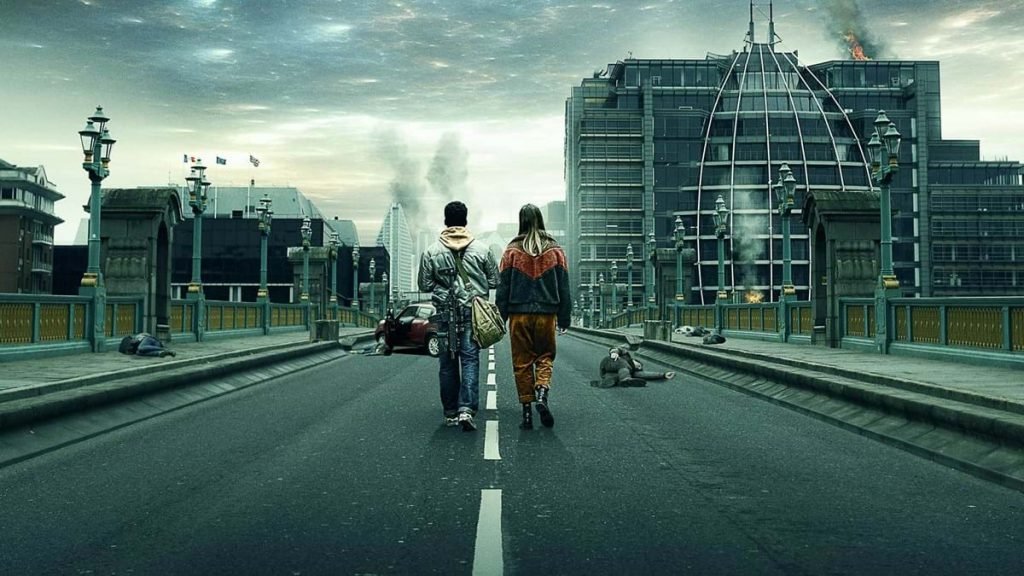
The show’s narrative flip-flops back and forth between London (although much of its UK content was filmed in Bristol and Cardiff) and France in the aftermath of a subtle alien invasion in which a strange magnetic power signal is emitted from spacecraft buried inside meteors that have been bombarding the Earth. The signal wipes out anyone and everyone out in the open and a few confused and terrified survivors emerge from shelter to find themselves picking their way through deserted, corpse-strewn streets. However, these aliens haven’t brought great towering death ray blazing tripod war machines with them; no, the streets are now prowled by creaking, wheezing four-legged robot dog creatures, which are intent on hunting down and brutally slaughtering any stray humans. An easy visual reference for these beasts would be the mechanical killers depicted in Metalhead from Season Four of Charlie Brooker’s Black Mirror and the creatures here – often seem roaming en masse – are as ruthless and pitiless as Brooker’s creation, the only difference being that, as we soon discover, there’s something fleshy and organic inside these clanking death machines.
War of the Worlds focuses on a handful of characters as they struggle to make sense of what’s going on and try to find a way to reunite with members of their families they were apart from at the time of the attack. In London, stressed mother Sarah Gresham (Natasha Little) is shepherding her teenage children Emily (Daisy Edgar-Jones) and Tom (Ty ‘stepson of David’ Tennant) through the apocalypse even as her husband Jonathan (Stephen Campbell Moore) tries to make his way back to the UK from France. Gabriel Byrne’s neuroscientist Bill Ward is reunited with his estranged wife Helen (Elizabeth McGovern), having inadvertently killed her new partner in the first episode, and tries to find a way to immobilise the organic dog-machines. Over in France, a group of soldiers and scientists from a bunker in the Alps emerge to find a strange, dead world as they try to isolate the source and portent of a new pulsating signal.
I’m happy to admit that, now I’m so over the fact that this really isn’t War of the Worlds as I’ve always known and loved it for decades, I’m really rather enjoying it – even though I appreciate that it’s uncomfortable viewing in the current climate. In fact, it’d be fairly uncomfortable viewing in any climate. This is desperately, shockingly bleak and nihilistic stuff and it’s clear that writer Overman is quite prepared to throw any of his cast under a bus in order to shock and jolt his audience. This really hits home in Episode Two, when a new character is introduced and brutally – quite horribly – killed off shortly afterwards. Later episodes continue to put the cast through the wringer; brutal, bloody death is never far away and the death-dogs kill without conscience. In one episode, a victim is gunned down and, still alive, has his head split open by a bolt extruded from the ‘nose’ of one of the machines. It’s nasty. it’s ugly, and it’s a marker of the sort of unflinching story Overman is keen to tell as he deals with the underbelly of human nature (one storyline concerns an abusive and incestuous relationship) and the fragility of modern civilisation. There’s precious little joy or optimism (and literally no humour) to lighten the tone. Inadvertently, this is a War of the Worlds for the world we find ourselves living in right now and it’s not easy viewing and probably not for those of an understandably nervous disposition, and certainly not for those looking for something more authentically ‘Wellsian’. Shot through with a growing sense of dread and unease, War of the Worlds is more concerned with humanity and human interaction and reaction rather than spectacle (although there are a few decent set-pieces dotted across the series) and there’s something inarguably disconcerting about the frequent scenes of silent cities, motorways strewn with abandoned or corpse-filled vehicles and bodies littering cold, whisperless suburban streets. If you are even remotely freaked out by current events then you’ll want to avoid War of the Worlds like…well, the plague. It’s about as far from feel-good TV as it’s possible to imagine. An alternative view, of course, is that no matter how bad things get outside your front door, at least they’re not as bad as this. The choice is yours. Season two is in production but, like most of our upcoming entertainment, is likely to suffer a significant delay.
AMAZING STORIES/BLOODRIDE
If you’re not in the mood for an ongoing narrative (and certainly not one as bloody depressing as War of the Worlds) then you might fancy giving a couple of new anthology genre shows a crack. As a fan of the classics like The Twilight Zone and The Outer Limits the revival of the fortunes of the anthology series over the last few years has been a particular personal joy. There’s something hugely enticing about dipping into a one-off, stand-alone story with a distinct beginning, middle and end. The benchmark shows are, of course, Brooker’s Black Mirror and Reece Sheersmith and Steve Pemberton’s endlessly inventive Inside No 9 but there are a couple of new kids on the TV block which are worth your time even if they are very much standing on the shoulders of giants.
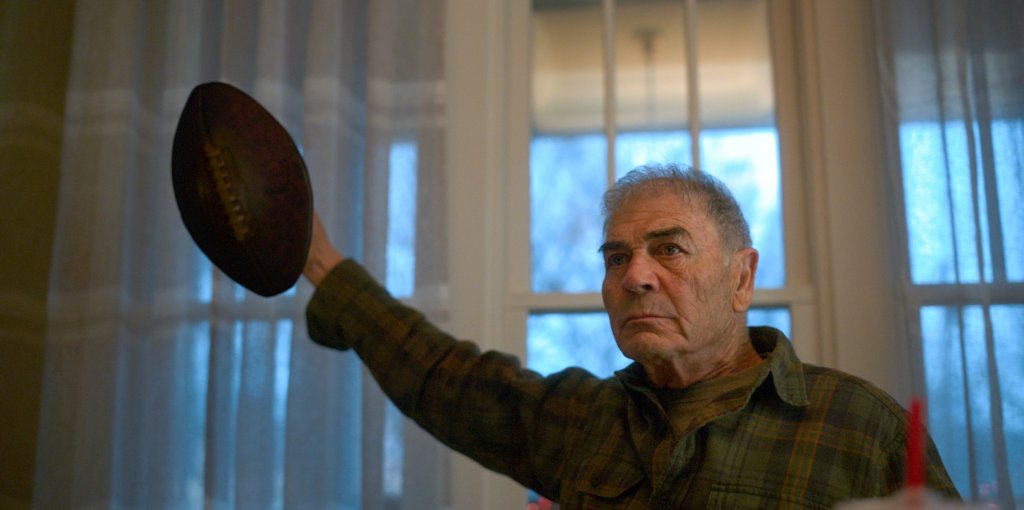
Apple + has resurrected the Steven Spielberg anthology title Amazing Stories, which pretty much came and went in the 1980s and on the evidence of the first three episodes from this new ten-episode run it seems very likely that it’ll do so again in the 21st century. Nostalgists may well fall for the time-locked charm of this new series as this is, by and large, fairly innocuous, family-friendly stuff dealing rather unimaginatively with well-worn genre tropes such as time travel, ghostly hauntings and wish fulfilment. Season opener The Cellar sees a man helping his brother restore a rundown farmhouse thrown back to 1919 following a storm where, largely unconcerned by the fact that he’s now a ‘man out of time’, he embarks on a rather insipid love affair – with no really interesting consequences. Better – mainly because of the performances – is The Heat in which a promising young track athlete is killed in a traffic accident only to return as a spirit who eventually manages to make contact with her fellow athlete and best friend. Episode Three, Dynoman and the Volt! is nothing like as exciting as its title suggests, dealing with a grumpy Grandad who becomes a superhero much to the delight of his superhero-obsessed grandson. Amazing Stories is watchable enough and fans of the original may well fall in love with its recreation of the largely sunny, upbeat typically Spielbergian tone of the original but times have changed, the world is now very different and this is just a bit too bland and unchallenging to pass muster for audiences who prefer a bit more grit and steel in their stories.
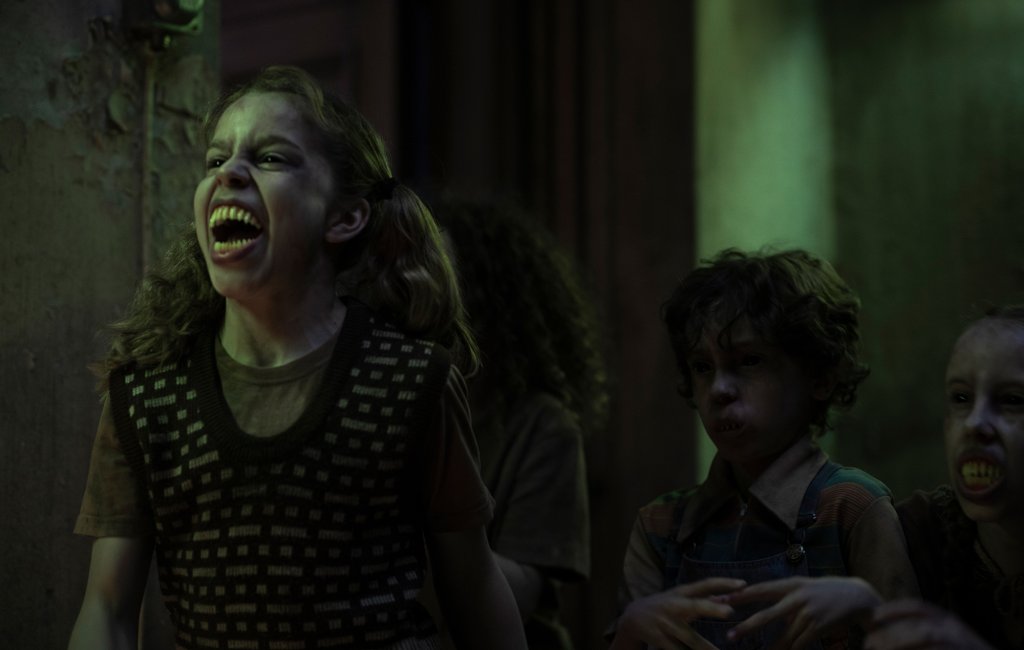
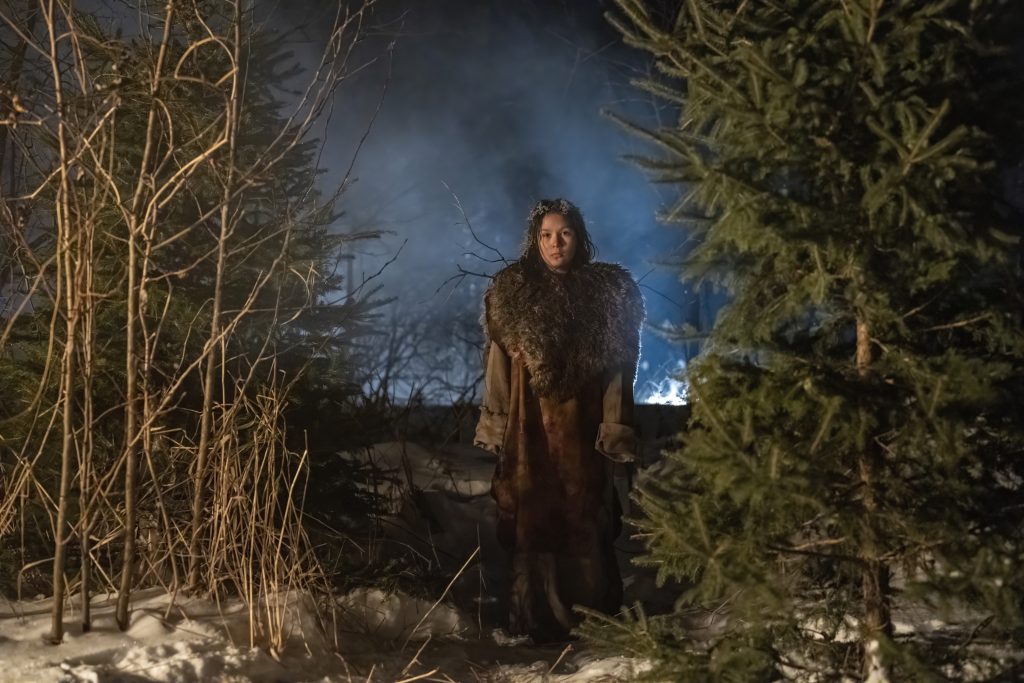
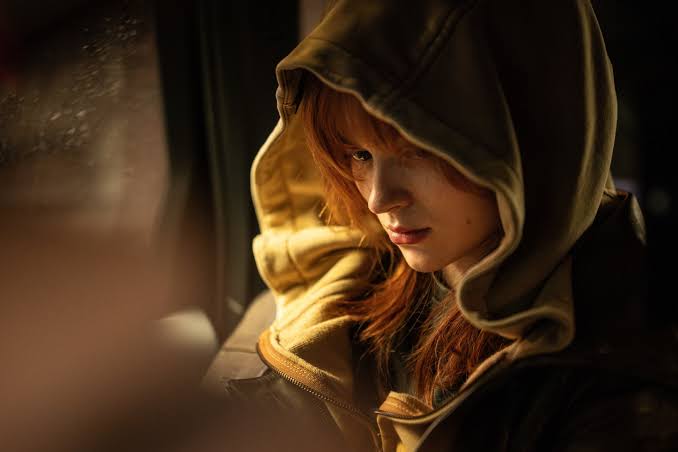
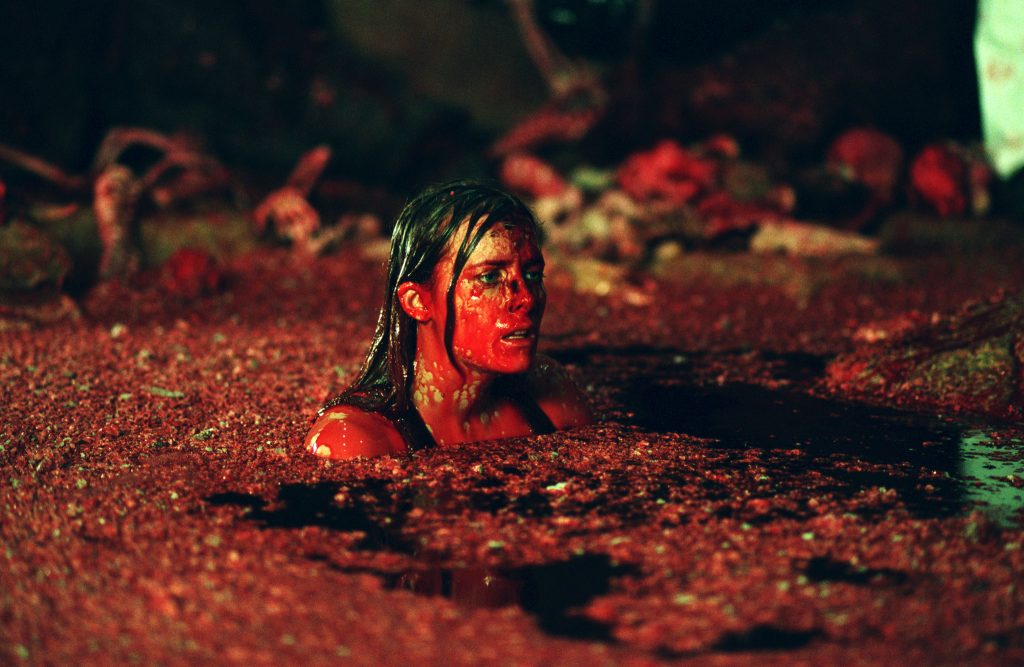
Bloodride (Netflix) is a significantly better bet. This is a six-episode Norwegian horror series that evokes the spirit of the likes of Tales from the Crypt and the old EG Comics in a symbolic opening sequence that depicts passengers on an old bus (the cast of the individual episodes) on a strange journey to… somewhere. The episodes are short and punchy, no more than thirty minutes apiece, and they are classic ‘twist in the tail’ yarns that set up the story and then just get on with it. Animal lovers might find series opener Ultimate Sacrifice a little difficult to stomach but standouts include the manic Three Sick Brothers, the barking mad Bad Writer (no comment), and the creepy The Old School. Like Amazing Stories, Bloodride isn’t hugely original in its subject matter but it’s shot through with shafts of dark Scandanavian wit and black humour that make it rather less sickly and smiley than Amazing Stories and a genuinely macabre and satisfying experience.
DOCTOR WHO
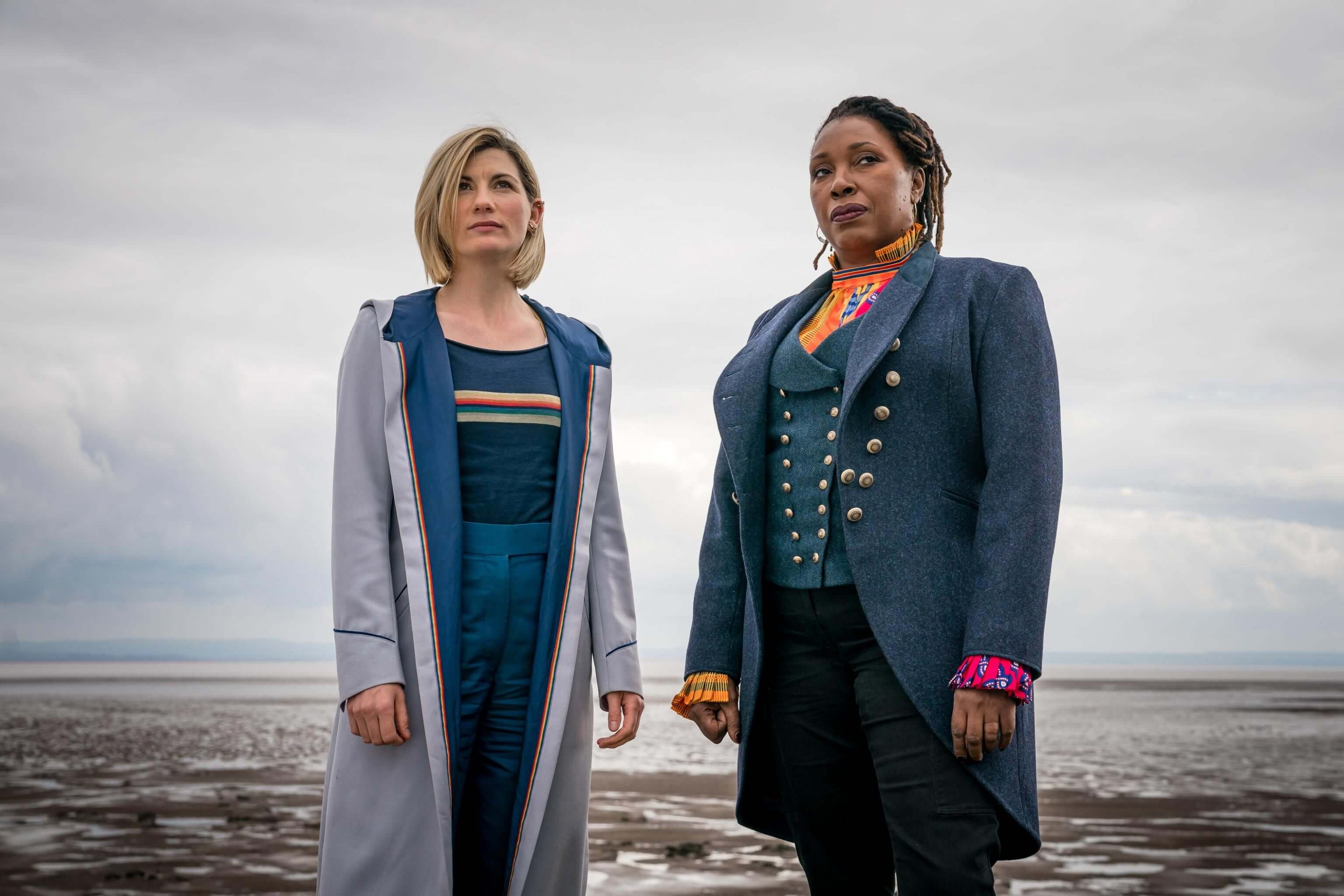
A while on from the controversial finale to the most recent season of Doctor Who and the show’s more hysterical fans are still ‘up in arms’, posting endless ranting YouTube videos about ‘how Chibnall killed Doctor Who’ and ‘how Doctor Who is ruined’. Numpties. These hate-watching clowns have seen just what they wanted to in Chris Chibnall’s audacious and imaginative finale – in which we discovered a little more about the Doctor’s secret origins – and decided that the show’s entire canon has now been rendered irrelevant and that the show has been fatally stabbed in the back. This, like most of the ‘thinking’ of these people, is utter nonsense. Nothing in the history of Doctor Who as shown on TV since 1963 has been changed; all Chibnall is done is add some colour and mystery to the character’s life before we first saw him/her in 1963, suggesting a (long) string of lives that the Doctor has no memory of because those memories were constantly erased by a secret cabal of Time Lords. The life of ‘the Doctor’ as we have known him/her began after he/she fled Gallifrey as we have understood it since 1969 when the Doctor’s origin was explained in the last episode of The War Games. The Doctor knows nothing of this previously unknown past so it really doesn’t matter to the series as we have known it nor, I suspect, going forward. Plus, of course, Chibnall has cleverly dangled the carrot that the whole thing might be a fiction concocted by the Master (Sacha Dhawan excelling in his return engagement as the Doctor’s now deranged nemesis) to torment the Doctor – but I really hope it isn’t as it’s been quite fun watching people old enough to know better throw their TARDIS toys out of the pram and scream that their childhood has been abused and despoiled. Get a grip. And no, before you ask, I can’t reconcile the Jo Martin Doctor (pre-Hartnell) owning a police box TARDIS without indulging in the sort of jot-joining hoop-jumping that has driven some Doctor Who fans to the very brink of lunacy. Let’s face it, she had a police box because it was a bloody good visual hook and Fugitive of the Judoon would have lost one of its great ‘wtf?’ moments without it. That’s how TV works, folks.
That’s it for now, except to say that yes, of course, I’ve been watching Picard and The Mandalorian; see you next time…
Check out the TV Zone Plus Podcast on Apple Podcasts or drop me an email on [email protected].