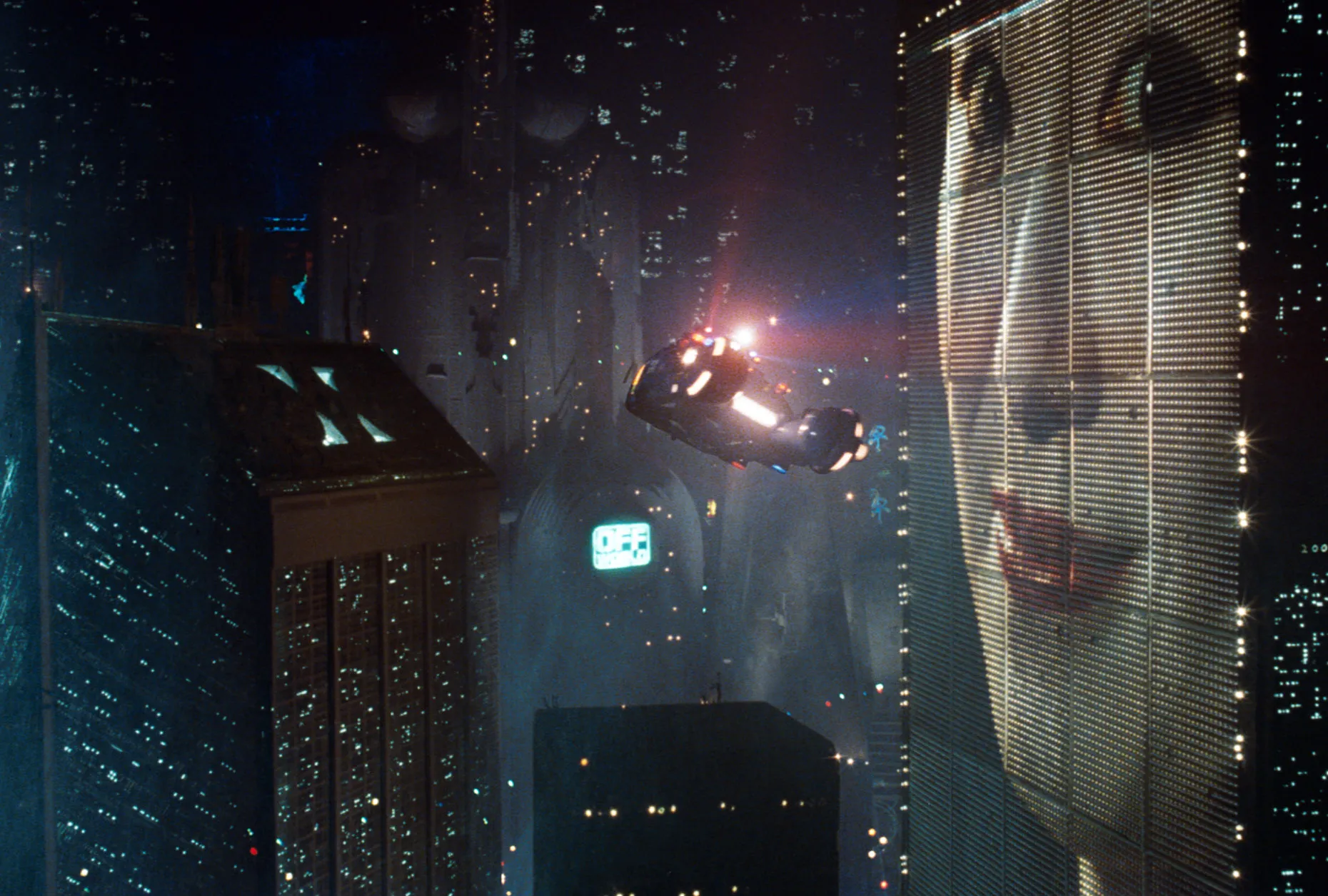
Blade Runner is different late at night. The shadows are darker, the city is louder, and the questions are more personal. There is something unsettling beneath the bright billboards and constant rain: a rhythm that is just out of reach. It’s not just the memories that seem wrong. It’s the sense that every part of this world, from the serial numbers on replicants to the flicker of a neon sign, might be part of a pattern. Not random. Not accidental. Calculated.
And it’s not just Ridley Scott’s future-noir masterpiece that leaves this impression. In films like Dune, Arrival, The Matrix, and even Kubrick’s 2001: A Space Odyssey, something more is always happening under the surface. Many fans – and even scholars – have noticed that some of the most iconic moments in these films are tied to hidden rhythms, recurring symbols, or uncanny numeric patterns. That’s why communities online are often drawn to discussions about lucky numbers results, using them as a lens to rewatch their favorite scenes with fresh eyes. These aren’t just fun trivia games. They’re ways of finding structure in stories built around the unknown. In a genre obsessed with the future, these moments feel oddly timeless – and maybe even a little reassuring.
A language beyond words
Science fiction often speaks in symbols. A red pill. A glowing monolith. A desert mouse carving a shape into the sand. But numbers – quiet and constant – have a way of showing up without calling attention to themselves.
For example, take Arrival. The film’s central message is about time, language, and perception. But running quietly alongside that is the number 12 – the number of alien vessels that land. Is it arbitrary? Maybe. But it also mirrors the hours of a clock, the signs of the zodiac, the months of the year. Cyclical, complete, closed. It’s a number that speaks its own language.
Table: Hidden numerical patterns in sci-fi classics

What the numbers reveal
What’s fascinating about these symbols is not that they solve the story – but that they quietly expand it. The number three shows up a lot in Dune. Visions that come in threes often tell Paul what will happen to him. To rise, he must learn how to control the physical world, the spiritual world, and the political system. The Bene Gesserit speak in patterns, make bloodlines in sequences, and plan for many generations. None of this is random – it’s systemic, precise, mathematical.
Blade Runner 2049 takes it further. The year itself becomes part of a numerical puzzle. Characters are tracked by IDs, dates are obscured, records are altered. Time feels circular. You begin to wonder: are the characters remembering, or simply reliving? The number 2049 isn’t just a date – it’s a mirror. Two halves of a future reflecting back on a broken past.
Why sci-fi needs symbols
Why do these details matter? Why do directors and screenwriters go to the trouble of embedding these patterns?
Because science fiction is, at its heart, about mystery. Not just the mystery of space or technology, but of humanity itself. Who we are. What we believe. What we fear. And how we make sense of things we can’t yet explain. In this search, numbers offer something grounding. A sense of order. A suggestion that the universe, chaotic as it may seem, is working on a pattern we just haven’t cracked yet. They allow viewers to participate – to notice, to interpret, to connect the dots.
Even when we don’t consciously catch them, these patterns shape how we feel. A countdown creates tension. A repeating number creates unease. A symmetrical structure creates satisfaction. Our brains respond, even if we don’t know why.
The code’s comfort
Finding meaning in numbers is strangely comforting, especially in made-up worlds that are meant to confuse us. The smallest repetition can feel like a clue when everything seems strange. A whisper. A signal that we’re on the right track. That’s why fans keep watching, keep decoding, keep talking. Not because they expect to find all the answers, but because the act of looking brings them closer to the heart of the story.
So the next time you rewatch Blade Runner or Dune and a number flashes by – a room, a birthdate, a set of coordinates – pause for a moment. Ask yourself if it’s just a prop… or something more. Maybe it’s part of the story’s DNA. Maybe it’s talking in a way that goes beyond words. It might be telling you to look more closely. There is a pattern here. And you should be able to find it.