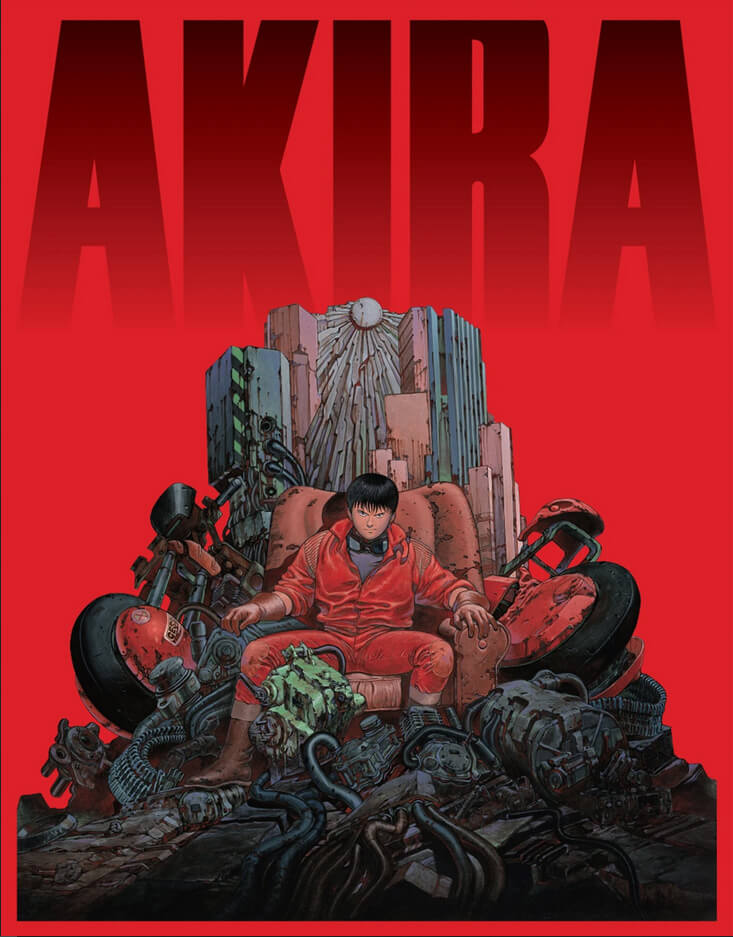
Thirty years ago, anime didn’t exist. Well, it did, but unless you were a hardcore otaku you didn’t know about it, even though you’d probably seen retooled anime shows like Battle of the Planets (Science Ninja Team Gatchaman in its original form) and were vaguely aware that they made cartoons in the Far East.
Akira changed everything. Thirty years since its UK release, the movie was a surprise hit for a small distribution company – Island Visual Arts (a subsidiary of the famous record label) – and led to the formation of one of the most important influences on the UK nascent anime scene. But let’s not get ahead of ourselves…
The mid-1980s was a boom time for home video. Previously, commercial releases were prohibitively expensive, and people mostly consumed them through video rental shops. The vast majority of releases were feature films. If you wanted to watch episodes of a TV show, you pretty much had to wait until it aired again in your region, or be lucky enough to have taped it off the telly (ssshhhh, don’t tell the police!) when it was last shown. And foreign stuff? Well, unless you were willing to defy the Daily Mail and watch Channel 4 late at night (rather than put your boot through the screen, as they advised), you were out of luck.
Then Chris Blackwell, head of Island Records, spotted a gap in the market and formed a division devoted solely to VHS releases, called Island Visual Arts. He appointed his go-getter marketing director Andy Frain to head up the company, and they put out mostly music-related releases from the likes of U2, Level 42, and Bob Marley, alongside some documentaries and educational films.
Looking to diversify, in 1991 they secured the distribution rights to Akira, and gave it a low-key release in art cinemas across the UK, expecting the usual arthouse reception, and were blown away by the reaction. They had a cult hit on their hands. This spurred Frain into action, and he created Manga Video (something of an oxymoron) to cash in on the sudden popularity of the Japanese art form.
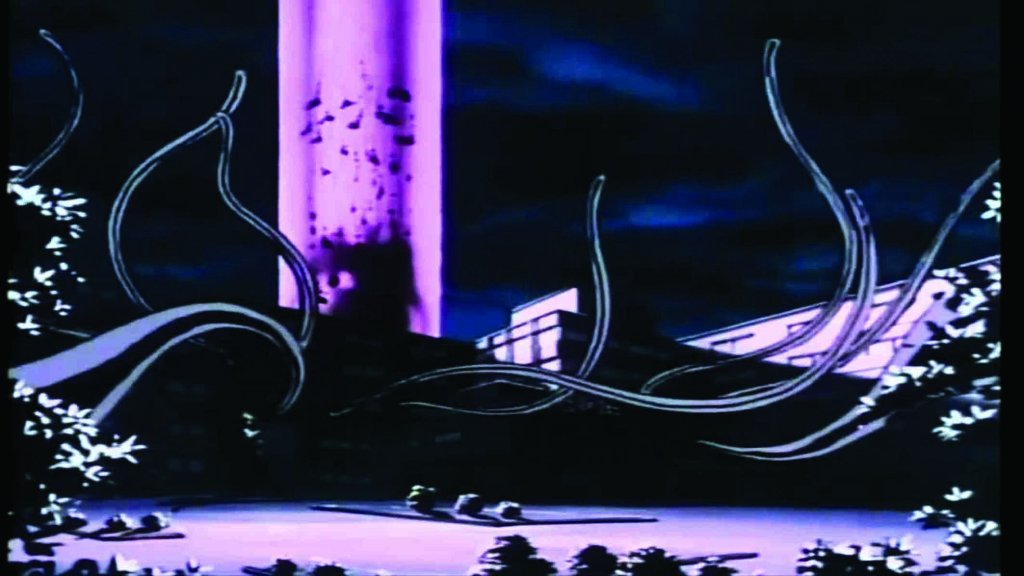
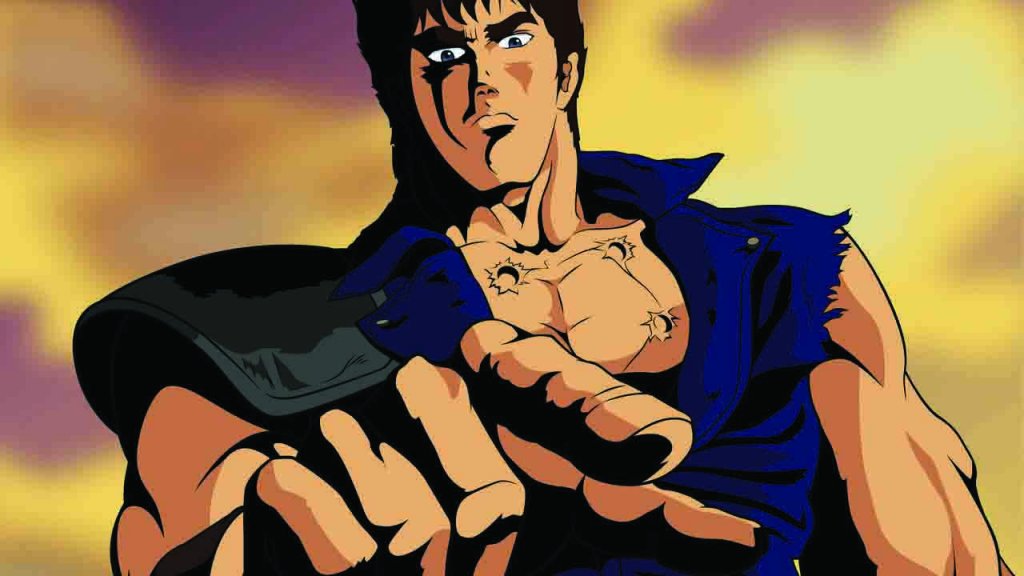
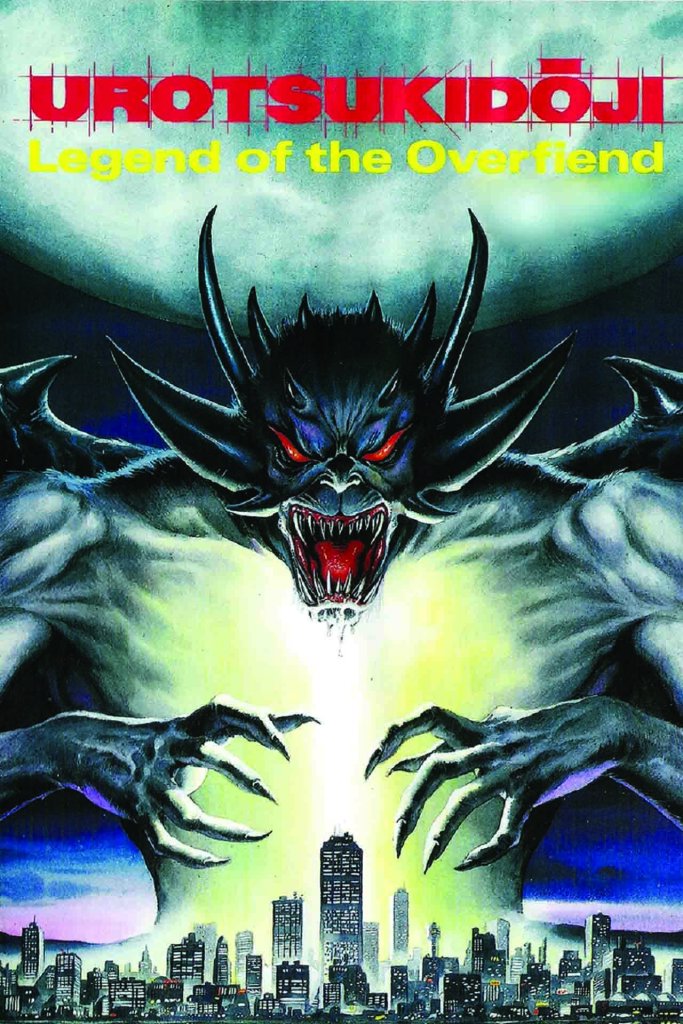
The hits came thick and fast, with Urotsukidōji: Legend of the Overfiend and Fist of the North Star shifting units, although nothing quite reached the scale of Akira. Much of Manga Video’s early output was dubbed, as was the fashion of the time, and these engendered a love/hate reaction from fans. The first releases tended towards the racier, violent end of anime, and the voiceovers reflected this, often going an extra yard to ensure a 15 or 18 certificate, all important for that edgy, adult label that anime had developed.
A thriving subculture emerged, with magazines dedicated to the medium appearing in WHSmith and anime panels edging into the comic conventions of the day. BBC Two even commissioned a young turk called Jonathan Ross (whatever happened to him?) to produce a documentary. Anime was big.
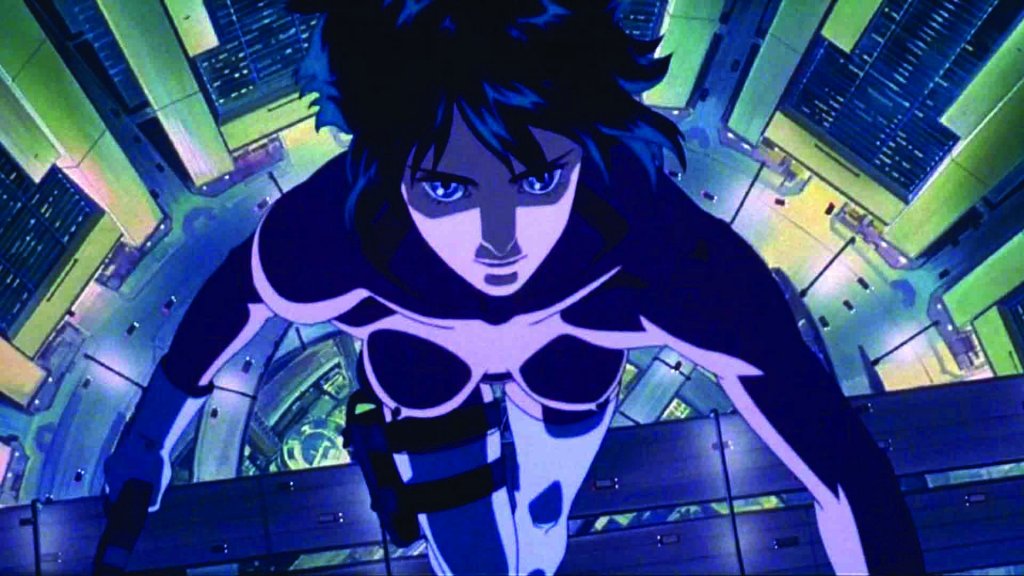
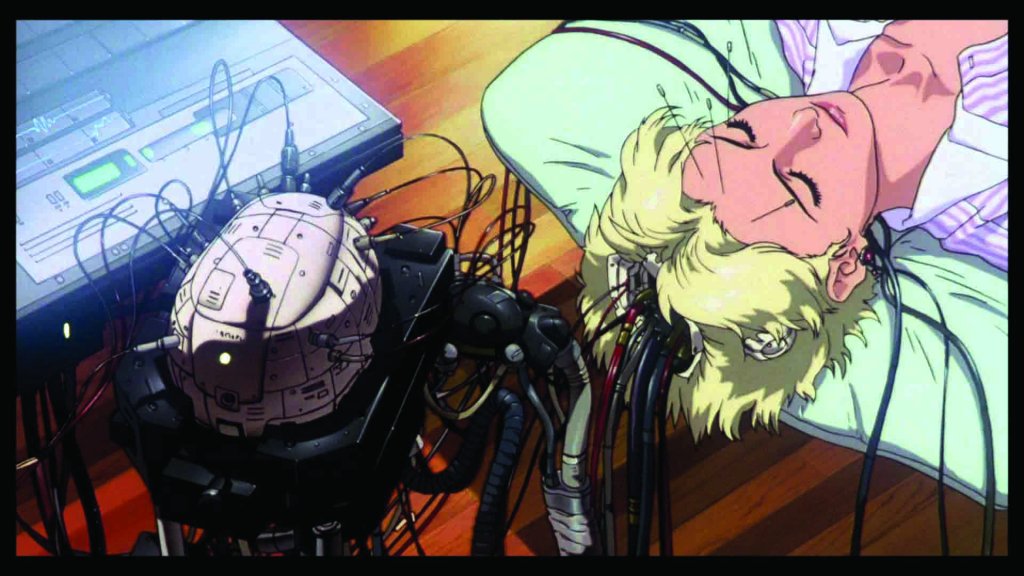
Eager for another blockbuster hit, Frain caught wind of Ghost in the Shell early, hearing that Production IG was animating Mamoru Oishii’s manga, and figured it would be a massive hit. Inveigling his way onto the production as co-executive producer, he promised a simultaneous worldwide release for the movie and bought US anime label LA Hero, which he renamed Manga Video USA.
Manga Video USA made an immediate splash, issuing a full catalogue of VHS releases at a lower price than their competitors, and using Island’s distribution network to ensure they reached nationwide stores. As it turned out, Ghost in the Shell was critically acclaimed but did not set the box office on fire, and despite the wider success of Manga Video USA, Frain stepped down as head of the concern.
By the end of the twentieth century, the business hit some choppy waters. Decent licences were becoming hard to acquire – Japanese companies began expanding their operations worldwide and keeping their more prized possessions for themselves – and the original London office was closed. All future operations would be overseen from Chicago. Chris Blackwell had left Island in 1997, after earlier selling the label to Polygram, and with the company – and its subsidiaries – again about to be merged into the Universal Music Group, he stepped in and bought back Manga Entertainment (as it had become known). He intended to run it in partnership with Palm Pictures, his film distribution outfit, but the two never really gelled and he again sold Manga Entertainment, this time to Anchor Bay in 2004.
This lasted for two years, until Anchor Bay – under pressure from all sides, with two of their executives under investigation by the Securities and Exchange Commission (which oversees financial services in the US) – collapsed, and Manga Entertainment was on the move again, this time to Starz Media when the cable channel bought all of Anchor Bay’s properties. Starz immediately laid off all of Manga’s staff in Chicago, and basically shut the label down.
While all this was happening, Manga Entertainment’s UK office had re-opened, and it survived the turmoil of the move to Starz and began releasing DVDs in conjunction with Funimation and Viz Media, amongst others. They also started a fortnightly magazine, which lasted for four years, mostly covering their own licenses but also the wider anime and manga industries, and began to re-establish themselves as the go-to anime distributor in the UK under Jerome Mazandarani and Andrew Hewson.
The rise of online streaming caused problems for Manga UK, as the Starz office in New York insisted on handling digital rights, separately from the DVD rights held by London. This led to those rights being sold to iTunes and Netflix in the UK, directly competing with the DVD releases from the London office. Eventually, Mazandarani and Hewson had enough and walked out to establish Animatsu, their own anime licensing company. Starz then sold Manga Entertainment UK (along with Anchor Bay UK), and absorbed into Platform Entertainment. Starz Media, who kept hold of Manga Entertainment USA, was bought by Lionsgate in 2016, who technically still own that brand.
Manga UK had all but joined its US sibling, with all DVD orders currently filled by MVM, but their Twitter account is still very active, and there is light at the end of the tunnel. In a recent interview, Mazandarani revealed that Animatsu were about to start using the Manga Entertainment brand to distribute licences they’ve acquired, while still keeping Animatsu as a separate brand for less straightforward deals. They even aim to produce their own original content, something which Netflix has had great success with and which Crunchyroll – the leading name in anime streaming – is dipping its toe into later this year.
There is a generation of anime fans that would not be anime fans if it were not for Manga UK. The splash made by their acquisition of Akira, and the subsequent releases that were the in-thing for a moment in the early nineties, changed the lives of thousands of young men and women. That the brand still has a future in this uncertain world is heartening, and STARBURST’s resident otakus eagerly await the return of the cross and rising sun logo. Who knows? Maybe there’ll be another Akira, and the whole thing will kick off all over again…
THE BEST OF MANGA UK RELEASES
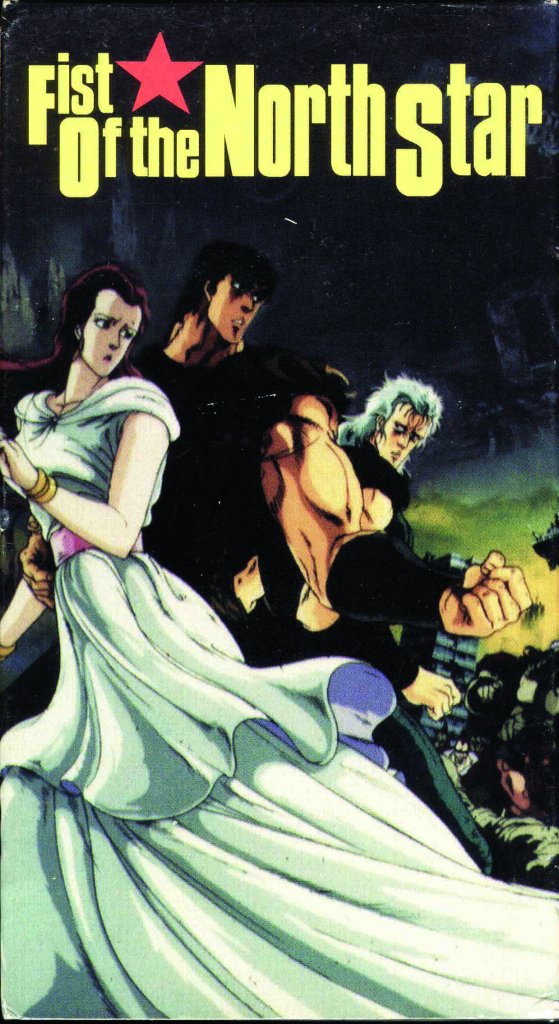
Fist of the North Star (1992)
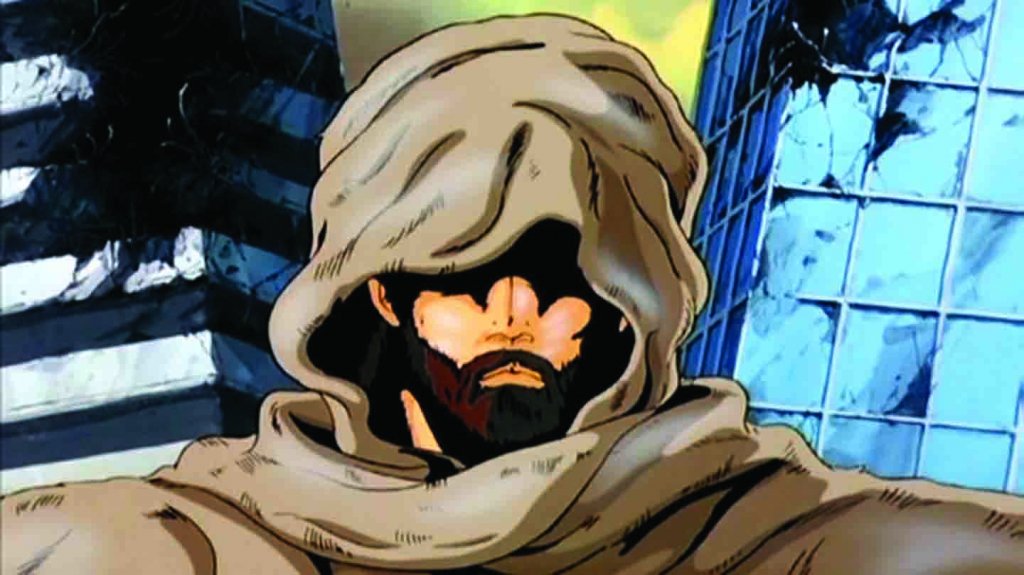
In a civilisation ruined by a worldwide nuclear war, scarred battler Kenshiro searches for his fiancée and the man who kidnapped her… As you’d expect from any movie with the word ‘fist’ in its title, this was an all-action blockbuster that has gone on to spawn a thousand remakes and sequels. Big bodies, small heads, a thirty-foot giant getting kicked through a mountain, and the voice talents of genre veteran John Vickery.
Dominion Tank Police (1992)
From the creator of Appleseed (who would later go on to produce Ghost in the Shell), Dominion Tank Police is the tale of Leona Ozaki, a young female officer in the Newport police. So far so normal, except Newport is a post-apocalyptic Japanese city and the police patrol in TANKS. Oh, and the antagonists are a masked gangster and two sexy, gun-toting catgirls. Very funny and with an expletive-ridden English dub, it’s a million miles away from Ghost in the Shell.

Urotsukidoji: Legend of the Overf iend (1992)
The plot of this supernatural disaster movie – every 3000 years a supergod called the Overfiend awakes, and a man-beast called Amano must find him to reunite the human, demon, and man-beast worlds – was overshadowed by its content, and even mentioning its name will engender a reaction of “oh, the tentacle porn?” Still good, despite (because of?) all the writhing.
Project A-Ko (1992)
After an alien spaceship crashes into and destroys Graviton City, the city is rebuilt and this movie centres on students A-Ko, B-Ko, and C-Ko, and a mecha-flavoured love triangle against a background of another alien spaceship approaching the Earth, this time looking for a lost princess… This spoof of popular 1980s anime ticks all the boxes, and throws in some nudity and titillation for good measure. Funny and influential – toast, anyone?

3×3 Eyes (1993)
Pai – the last remaining sanjiyan unkara, or triclops – teams up with Yakumo, a Tokyo teenager working in a gay bar as a cross-dresser, to find an artefact capable of turning her human, along the way encountering giant monsters, the undead, and demon hordes. An adaptation of the first two chapters of a long-running manga, this was a taste of some fascinating world-building.
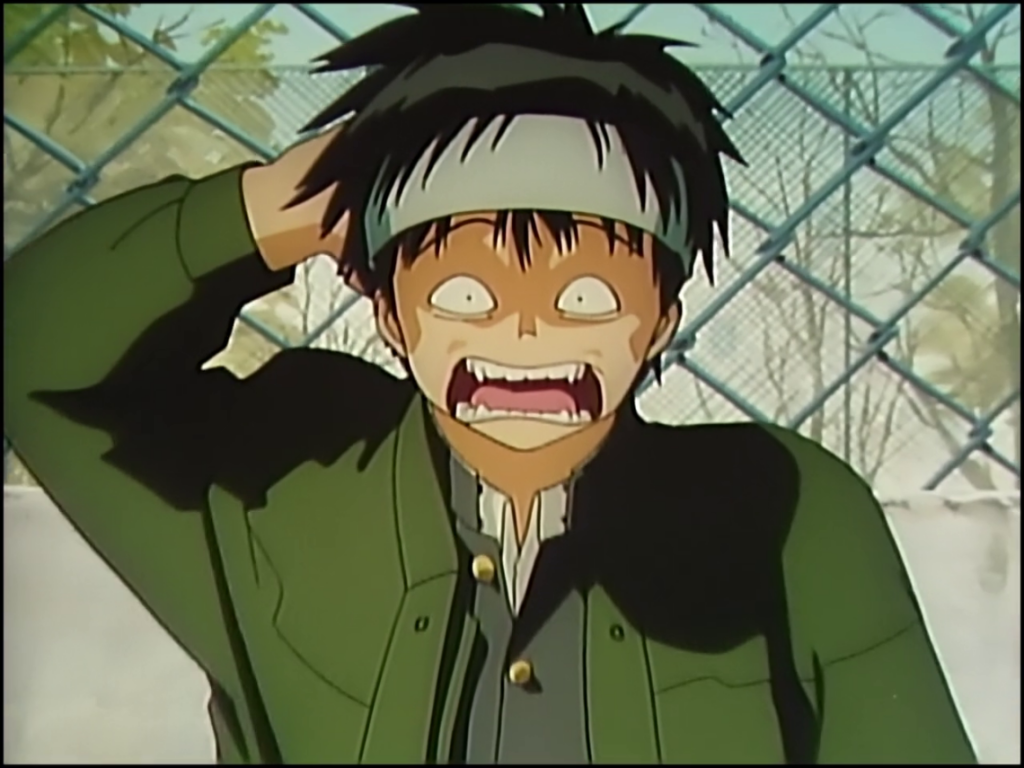
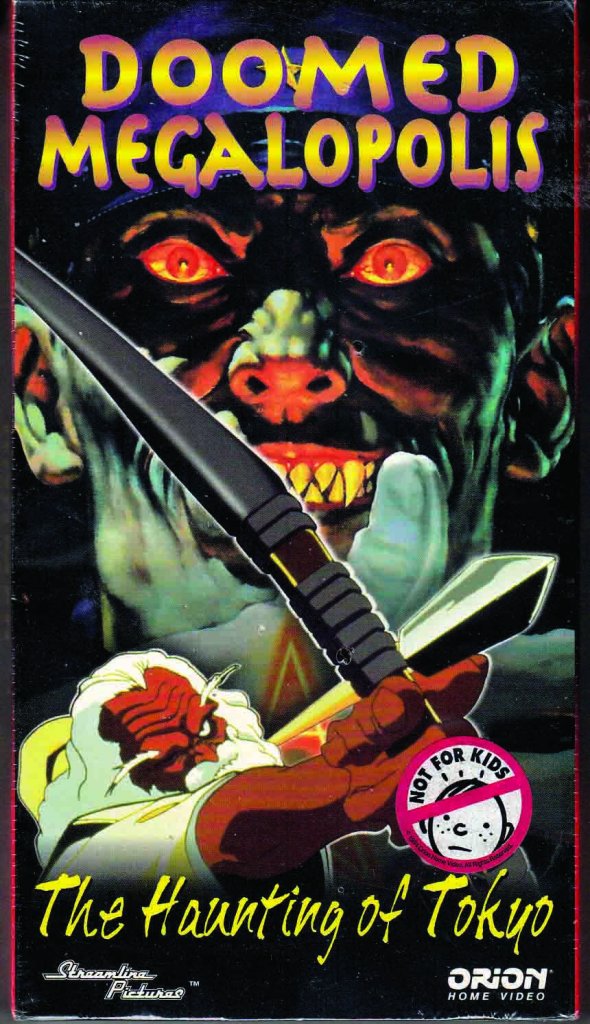
Doomed Megalopolis (1993)
Set in two distinct time periods in the early twentieth century, Tokyo (the greatest city on Earth) is under threat from Kato, an evil onmyoji (or shaman) descended from Japan’s indigenous tribes, who attempts to summon the onyro of Taira no Masakado, the city’s guardian spirit, to destroy the Japanese empire. Standing in his way is Hikari, a descendent of the 10th-century onmyoji who bound Masakado’s onyro a thousand years before. Darker than the novels it adapted (and also the live-action adaptation of a few years previous), this is overlong but very gory and violent, if you like that sort of thing.
[This article was originally published in STARBURST issue 455, December 2018.]