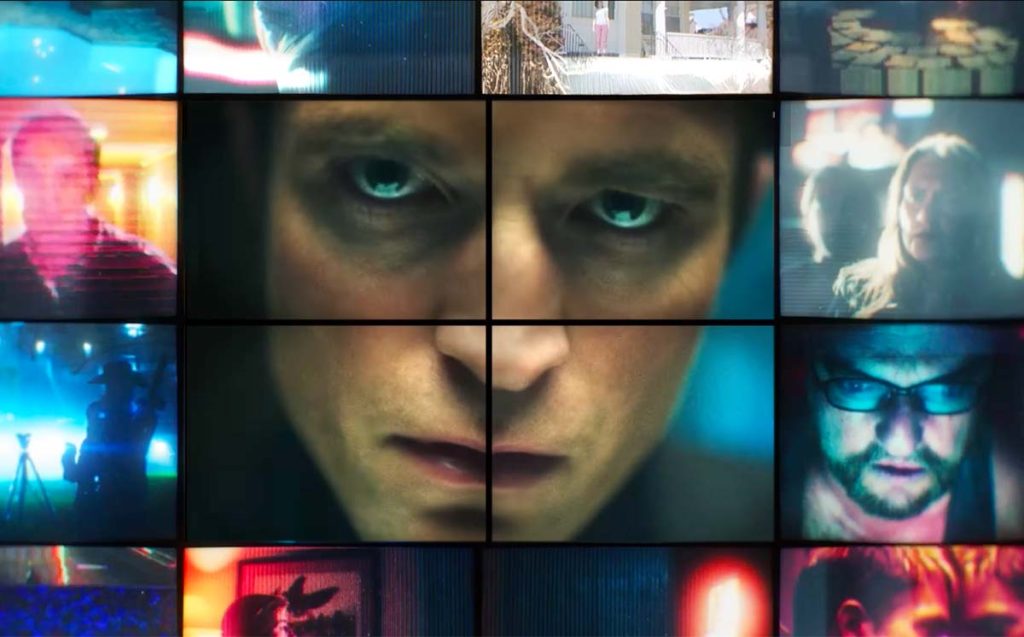
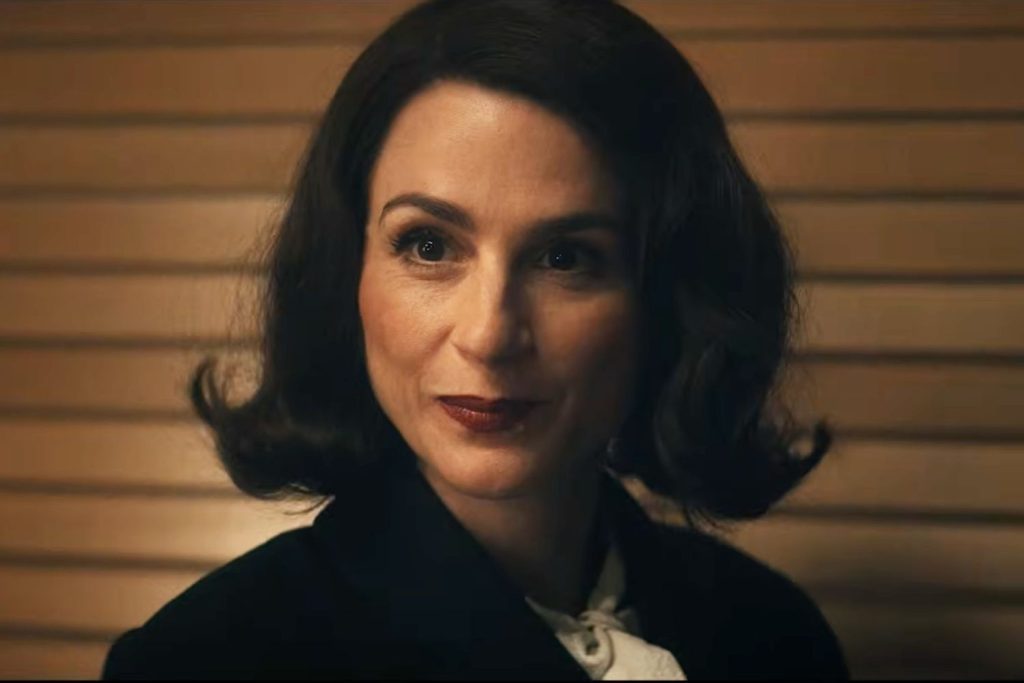
Love it or hate it, some degree of generative AI is here to stay. While the likelihood of a market crash and the resulting pieces might remain in question, the potential of the tech for specific uses remains too real for the systems ever to disappear completely. As film and TV buffs, this makes us naturally curious about how AI will inevitably be used in the media we love most.
Will AI take over, utilised by the biggest filmmakers to deliver projects and products better than anything we could ever dream of before, or will this tech be ignored by anyone but the fringe? These are interesting questions, and we can at least make some educated guesses about what comes next.
The No AI Argument
Before looking at the potential of AI, we first need to look at why it’s often ignored and the advantages that are found by avoiding its inclusion. The first is that, by its nature, generative AI is imprecise. It’s essentially an advanced prediction system, and it’s impossible to fine-tune this system to a high degree of accuracy. For filmmakers who strive for a specific and exact vision, this makes the very idea of including generative AI a non-starter. At that point, it’s not their project, and it can’t show the soul they’re trying so hard to reflect.
The other side of this is that, unlike something created entirely by hand, you can never truly trust AI output. This is true for all AI output, but is most visible in software. As a comparison, consider software traditionally developed without AI, like online gaming software, including online casinos and their games, such as bingo online. Whether playing in the Candy Room or in slots like King Kong Splash, these offerings have traditionally been developed without AI, and span a range of different software operations and themes.
Content created without AI ensures it can meet a specific vision, while also avoiding the insertion of small mistakes that AI otherwise guarantees. In software, AI mistakes could deliver a security flaw, while in digital effects, we see it more in missing limbs, weird hands, or bad use of perspective.
When AI Offers Value
Where AI does show major potential is in projects where quality or vision is not the point. As much as we might wish otherwise, films and TV are businesses, and businesses need capital. It’s not always about delivering the best product possible; it’s just as often about finding the best possible return on investment.
With the growing issue of distracted users or people turning to films and TV as background noise, some shows aren’t about vision; they’re about filling the space. If quality doesn’t matter, and the metrics are good, it’s natural for executives to chase this direction, even if it’s one many of us don’t like. Generated scripts and AI effects could all benefit from this type of use, and their use is only going to grow more appealing to those who set the development schedules and budgets.
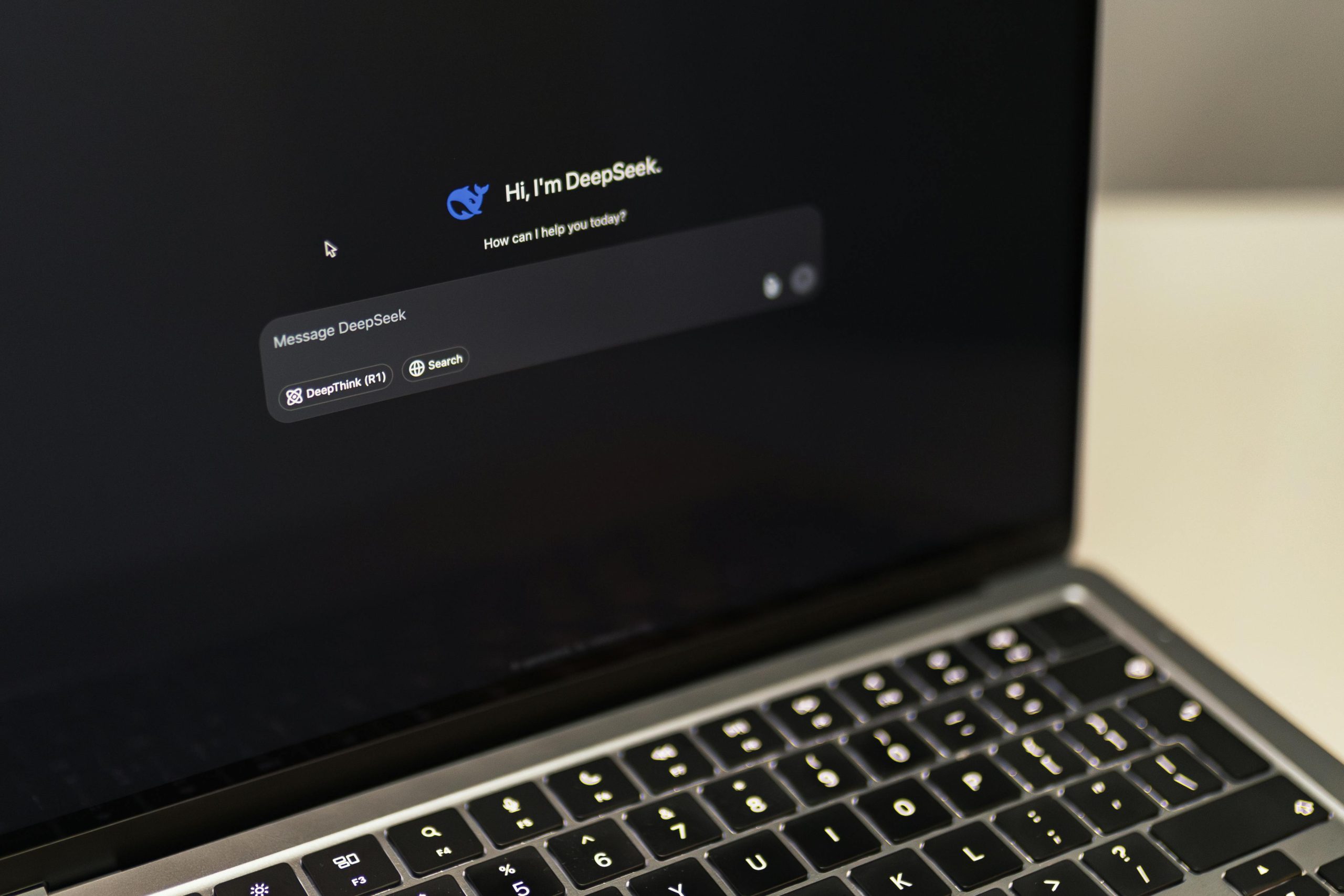
Source: Pixabay
As much as we might paint this as doom and gloom, it doesn’t have to be. The arrival of AI in film and TV could be a fantastic way to move its use into two separate entities, rather than having a little AI in everything. The plain truth is that, while AI might not appeal to all of us, it appeals to some, and their taste is in no way wrong, it’s just different.