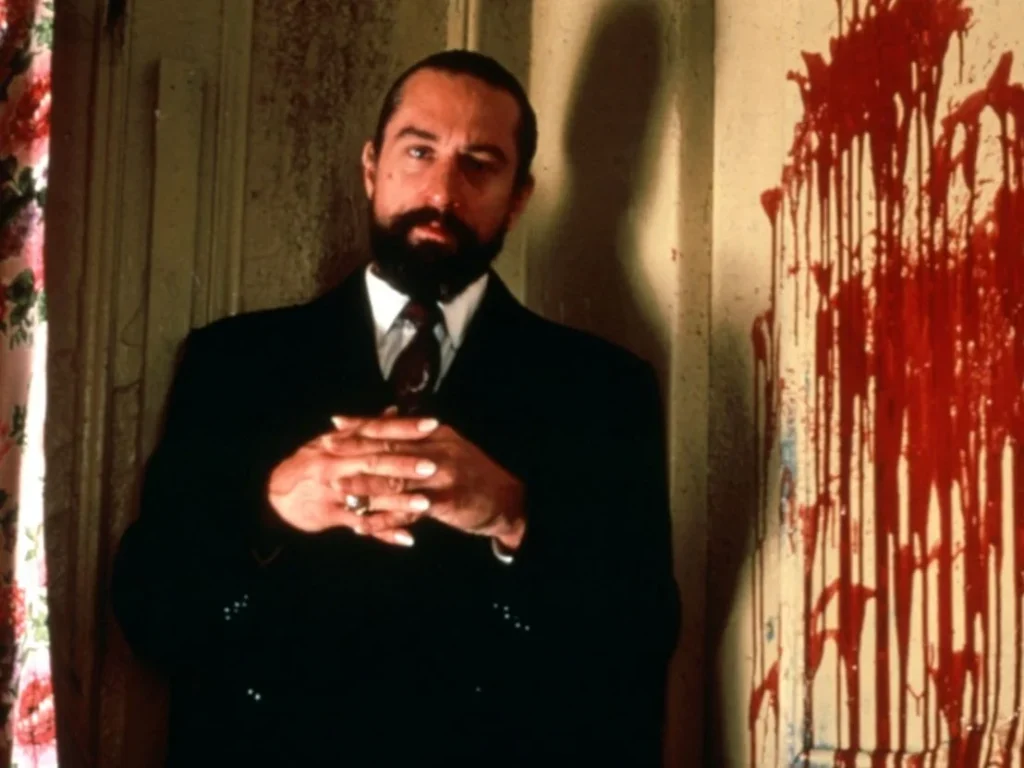
Dracula could have been magnificent. So much of it is. Luc Besson’s 40-year career has given the highs of Nikita, The Fifth Element and Leon, and the lows of The Family. In between, we’ve had the likes of the high-concept adrenaline rush of Lucy to the beautiful but flawed Joan of Arc, perhaps his most underrated achievement. His version of the classic vampire story is close to the highs, but his tendency towards excess plants it firmly in the ‘between’ ranks.
Concentrating on the romance at the heart of the story – a prince loses the woman he loves and spends the next 400 years searching for her reincarnated soul – Besson’s intention is as clear as the film’s foreign title. This is a love story. And whilst it’s far from a unique take, it’s certainly one which cuts back on the horror. In intent, it’s similar to the much more understated and much under-appreciated John Badham version from 1979, starring Frank Langella as a suave seducer. But in style, it’s much closer to Coppola’s over-the-top version, where romance and horror mixed to uneven effect.
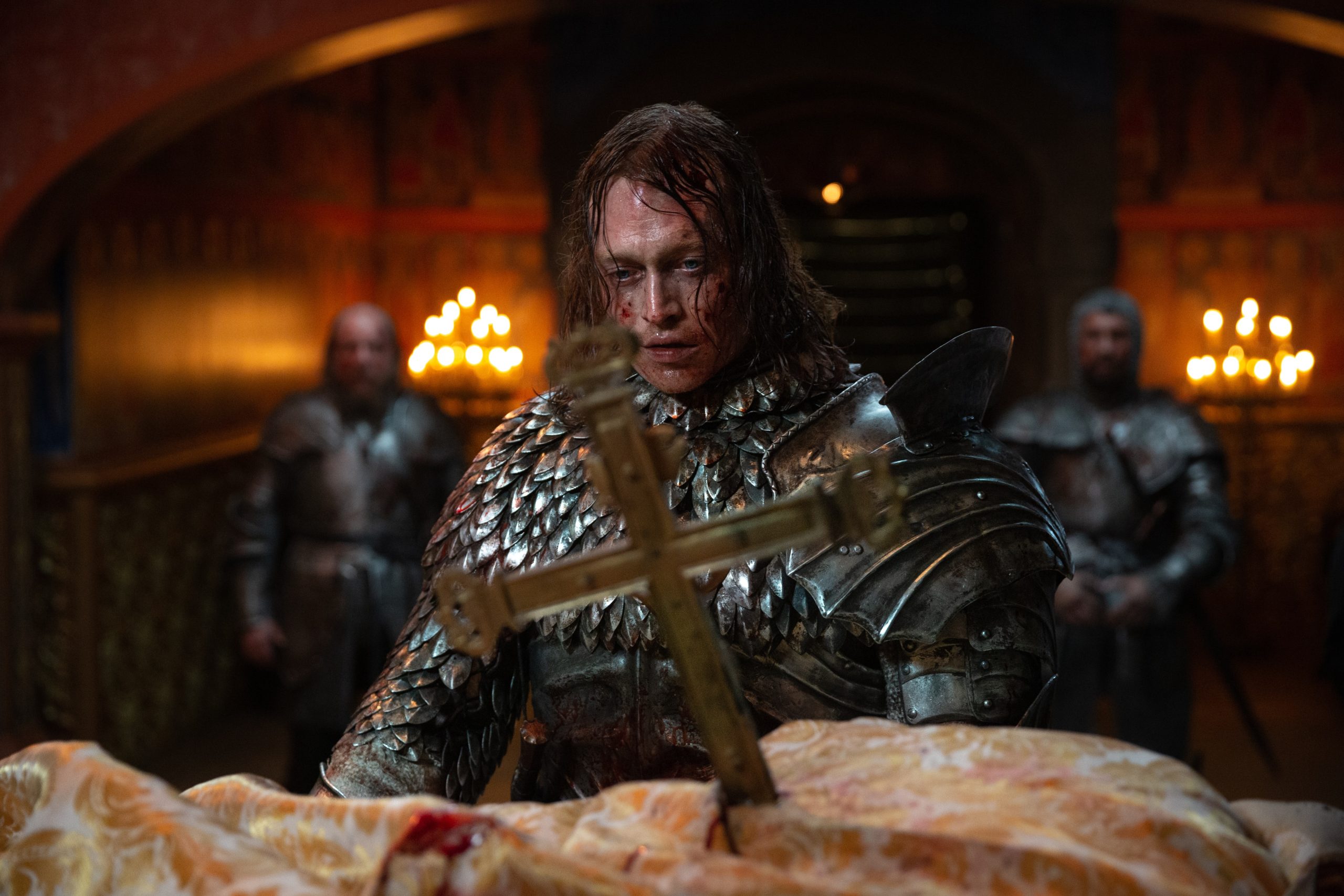
Consequently, the film lacks any scares at all whilst containing all of the trappings of a Gothic horror. As the immortal Count, Caleb Landry Jones is magnificent, nailing both the raw power of a fierce warrior and then the pain, pathos and despair of having been betrayed by the god he served in battle. In fact, Besson made the film inspired by having worked with the actor on Dog Man, thinking Jones would be ideal in the role. Besson was right – Jones makes you care. Christoph Waltz is, well, Christoph Waltz, which is good enough for anyone. There’s a wonderful turn from Matilda De Angelis as the possessed Maria, all mania and bloodlust, and Zoë Bleu convinces in the dual role of Elisabeta and her reincarnated self, Mina.
On top of this, it looks absolutely gorgeous – the sets, cinematography and costumes are stunning. There’s a fine Danny Elfman score to boot.
And yet…
There’s an uneven quality to the film that makes its runtime of just over two hours feel slightly laboured. Besson weaves the story back and forth through time, and that’s fine, but it takes an age for the couple to finally meet again. Besson’s script makes some odd choices that reveal his tendency to just throw things in that don’t necessarily make sense but which look good. Where does Dracula’s power to have living gargoyles in the castle come from? Why are they (and who are they?) bombing the castle at the end and risking Mina’s life when the point is to save her? And what’s with the perfume and ridiculously comic dance scene? These bizarre choices detract from the grip the narrative had and lift you from the film’s spell.
Given Besson’s aim not to give us a horror film (Dracula ages but he doesn’t turn into anything like a bat or a monster), had he reigned in his excesses, we might have had something really special and truly romantic. But at the end, do you care like you cared at the end of the other big vampire film of 2025, Nosferatu? No, and that’s a shame. Much to admire but not one of Besson’s greatest.

DRACULAis available on Digital platforms now and DVD and Blu-ray on December 22nd. Distributed by Signature Entertainment