PLATFORM: THE BOY IN THE BOOK OFFICIAL WEBSITE | RELEASE DATE: OUT NOW
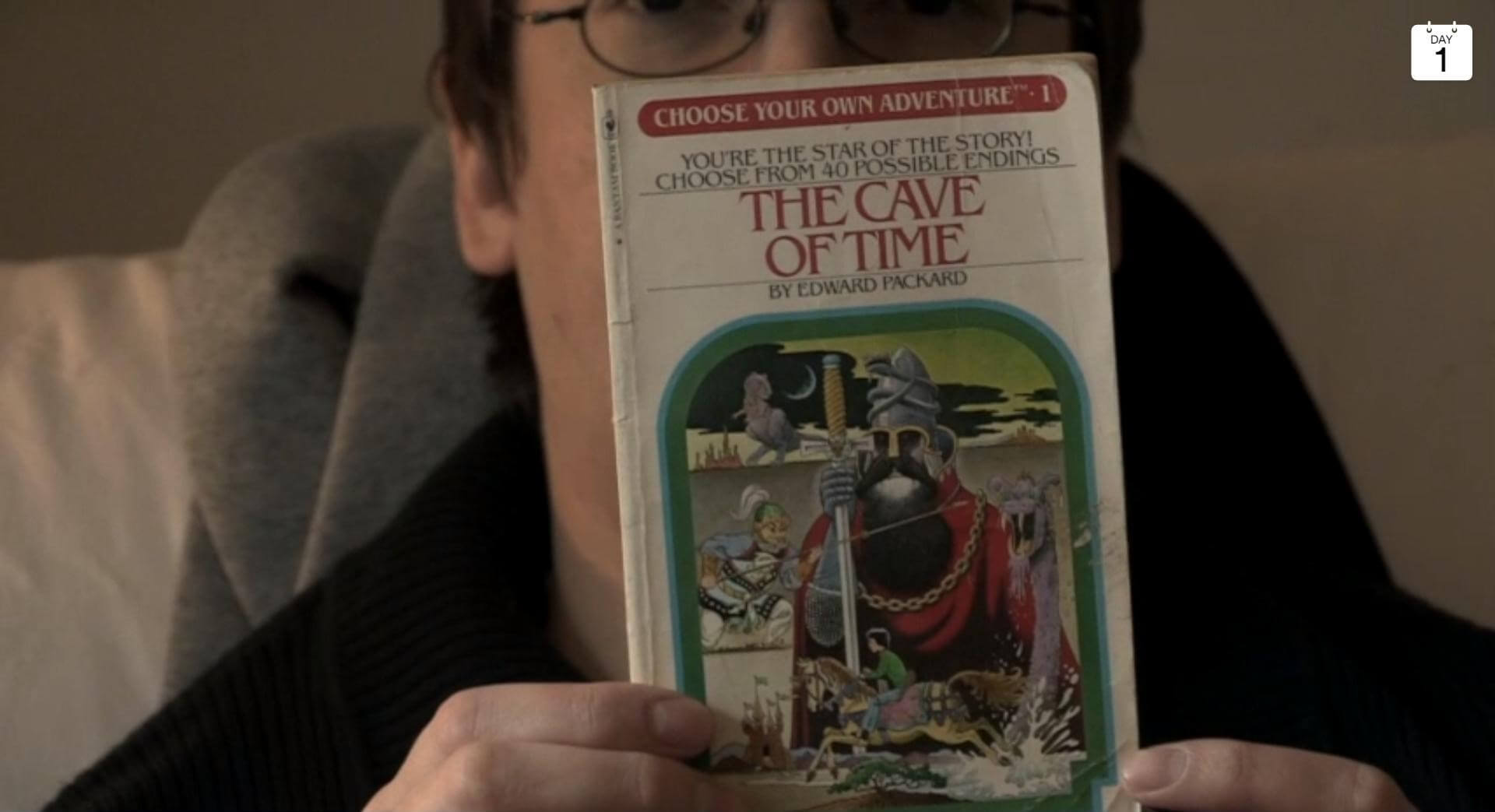
Based on Nathan Penlington’s 2014 book, the documentary version of The Boy in the Book is the most satisfying use of interactive technology to tell a story. That story all hinges upon one question: “A forgotten diary falls out of an old Choose Your Own Adventure book purchased on eBay. What would you do?” That’s what happened to Penlington, and thanks to this creatively interactive doc, others get to see how it was to be right there in the thick of it as he tried to puzzle out that very question.
Interestingly enough, the documentary is an adaptation of Penlington’s stage show, Choose Your Own Documentary, which he created with filmmakers Fernando Gutierrez De Jesus, Sam Smaïl and Nick Watson. Given the overall theme of obsession which plays out over the course of The Boy in the Book, these multiple adaptations take on another level of resonance.
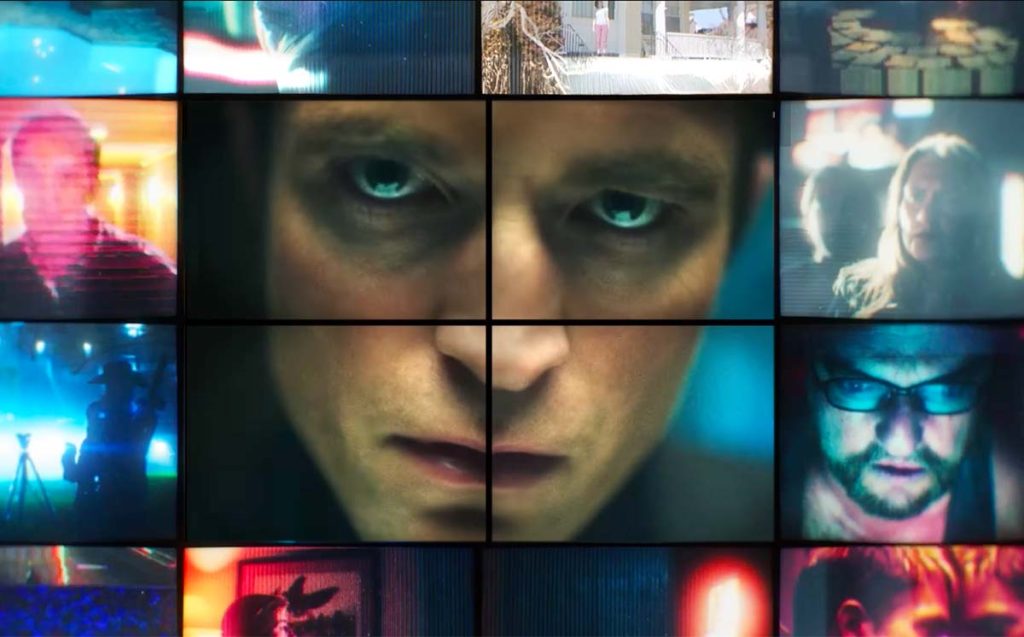
However, it’s the experience of The Boy in the Book which is really worth exploring. The means by which how one takes it in makes discussing the project a difficult one. Is it being read? Watched? Played? Some combination of all three, and then some? Essentially, The Boy in the Book plays out as a group chat featuring the four creatives involved – Nathan, Fernando, Sam and Nick – along with the person participating.
Along the way, there are chat threads to be read, pictures to look at, videos to watch and then, most notably, responses to choose between, much like the Choose Your Own Adventures books upon which the whole story hinges. Which chat response is chosen determines which videos then play out and what tack the film will eventually take. It’s an immersive, fascinating experience which leads to a real emotional investment in what’s taking place.
Penlington’s emotional involvement might seem to be a bit overwrought at the outset of The Boy in the Book, but part of the appeal of the documentary’s story is that, as it goes on, one begins to understand just why these books meant so much to him then and why they continue to resonate with him decades later. More importantly, the viewer discovers just why these four short diary pages and assorted scribbles within the pages of the books are something to which he relates.
The way in which the project plays out means that it can be experienced on any number of devices. While a mobile might make for the most “authentic” experience, watching it on a tablet makes viewing the images and videos a little easier on the eyes. Tackling it on a laptop or desktop makes it feel a bit too much like work.
Thankfully, viewers can save their progress and come back to it here and there as they see fit, rather than having to tackle it all in one go. That’s definitely a positive, as just playing through one set of choices will take around two hours. Given the number of branches to which one can scroll back and make another decision, the potential rewatches (replays?) are massive, making this a rare documentary to which one can return again and again and again.