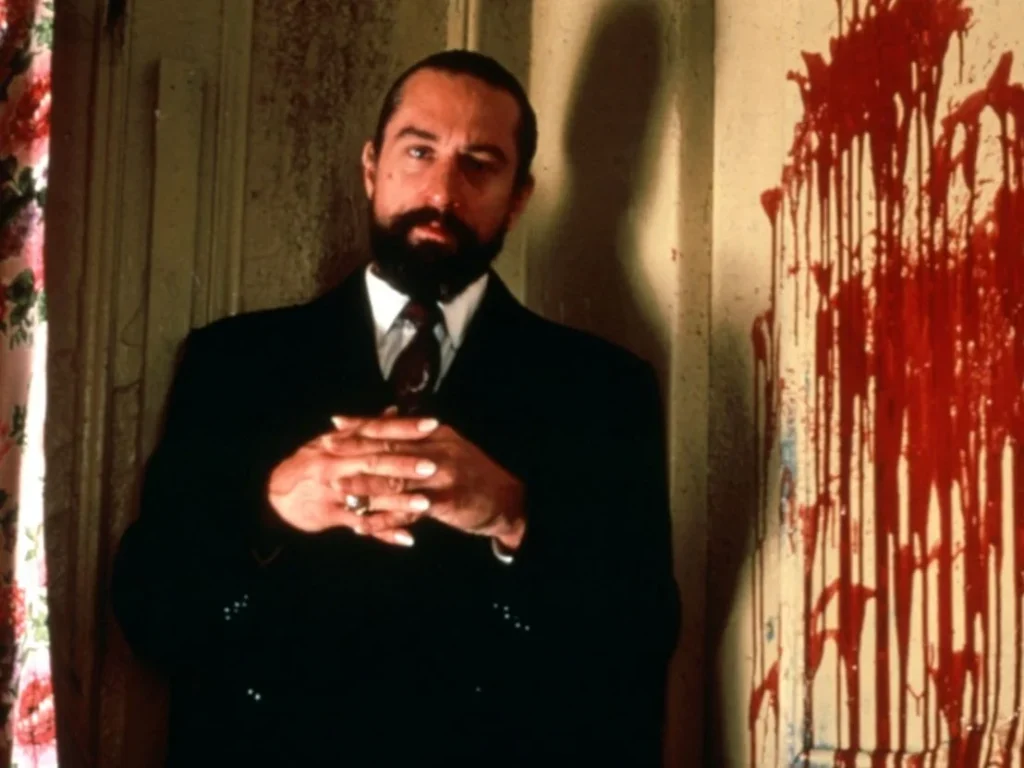
Ever wondered about ‘The Card Counter Movie’? Starring Oscar Isaac as William Tell, the film features a world of high-stakes poker and personal pasts.
Paul Schrader directs this movie, combining deep psychology and poker drama.
We’ll explore Tell’s intricate story, memorable performances, and some bonus film trivia, no spoilers included!
An Introspective on The Card Counter: Quick Recap
The Card Counter presents William Tell, a lonesome veteran who’s now a top-class poker player.
His life orbits the gaming table, signaling his inward battles. Skillfully counting cards isn’t just a part of his plan for winning—it’s also how he copes with his troubled past.
William navigates the tricky gambling world on his redemption path while tackling past events.
The plot thickens as he becomes a guide, teaching strategies and poker rules to Cirk, a revenge-driven youth, and La Linda, a secretive poker agent, nudging him toward the World Series of Poker.
William Tell by Oscar Isaac: Military Interrogator to Pro Poker Player
Oscar Isaac‘s portrayal of William Tell, a man who’s swerved from military life to professional poker, is thrilling.
Isaac’s acting illuminates his strategic prowess at poker tables, a testament to his silent and precise nature, shaped by his time in the military.
Isaac’s portrayal of Tell reflects the military precision and discipline he once practiced as an interrogator.
His routines and methods clearly echo his past, making his character one of the most intriguing in recent cinematic history.
Tiffany Haddish as La Linda: A mysterious poker agent
Tiffany Haddish, as La Linda, is a poker agent who becomes an influential figure in Tell’s life. Her character is layered and mysterious, pushing Tell towards the high stakes of the World Series of Poker.
Haddish’s performance adds a new dimension to the narrative, making it even more compelling with its riveting performances.
Tye Sheridan as Cirk: A young man seeking redemption and revenge
Tye Sheridan portrays Cirk, a young man with a troubled past seeking redemption. His character is driven by a thirst for vengeance against a military colonel he holds responsible for his father’s fate.
Sheridan’s performance adds an element of tension and urgency to the narrative, making his character’s journey one of the most emotionally charged aspects of the film.
Paul Schrader’s Cinematic Mastery

Director Paul Schrader’s unique style is evident in “The Card Counter,” a film that can be seen as part of Paul Schrader’s lengthy inquiry into complex characters and their inner struggles.
Schrader’s direction showcases a meticulous cinematic style marked by minimal camera movement and an absence of music cues to craft unsettling atmospheres, embodying Schrader’s trademark cinematic intensity.
His use of transcendental cinema motifs and specific framing techniques are employed throughout the film, including purposeful play focusing on isolating the protagonist or blending him with his surroundings, making it an authentic Paul Schrader experience.
Pictorial narrative: Unraveling the use of ordinary sheets in roadside hotels
The movie’s pictorial tale is distinctive and grabs attention, featuring intense acting in this retribution-related suspense.
Confusing imagery and regular sheets in motel rooms mirror the main character’s distressing history, giving the viewer a disquieting feel.
In the Venice Film Festival, the movie makers used a 220-degree fisheye lens to present a visual analogy for an abuse and trauma mark.
Subjects of remorse and atonement: The serious part of Abu Ghraib and military jail.
The suspense story of “The Card Counter” introduces notions of remorse and atonement through its leading character, William Tell.
Tell shoulders guilt for his past as a jail officer in Abu Ghraib, which is revealed through his interactions with a young man who harbors his father’s legacy tied to the same incidents.
This movie stretches beyond just Abu Ghraib or card counting, but builds an overall story to explore more expansive ideas of personal accountability and the ethical fallout of past actions.
Recap
To summarize, “The Card Counter” interweaves a captivating story of remorse and atonement. It effectively combines character building, a captivating plot, and a unique pictorial narrative.
With careful direction by Paul Schrader, the combined performances of Oscar Isaac, Tiffany Haddish, and Tye Sheridan piece together a powerful tale that connects with viewers.