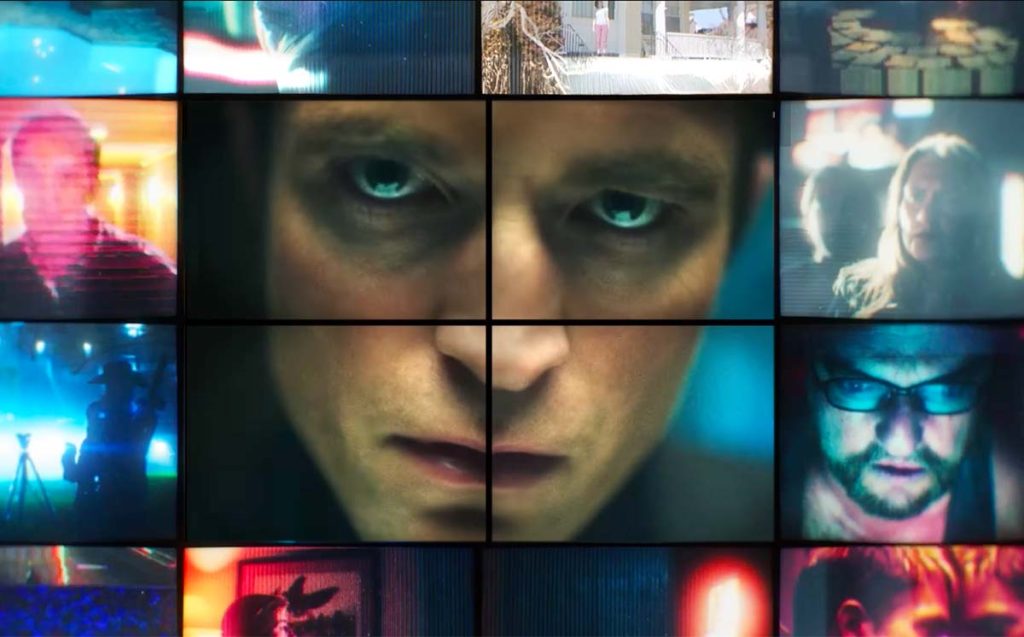
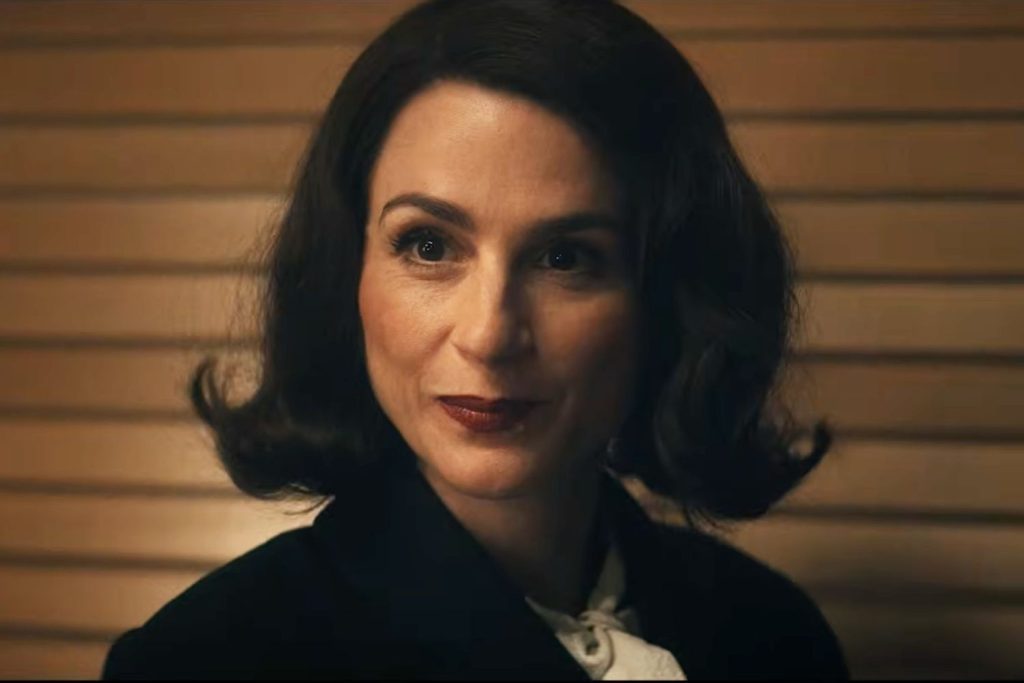
Black Bright Theatre’s Birdwatching has made quite the impression since it made its debut at the 2024 Edinburgh Festival Fringe. STARBURST’s own hawk-eyed theatre expert Ed Fortune described the three-woman show as “Chilling. Clever. Spooky as all hell. A horror classic in the making.” Since then, Birdwatching has made waves in China, been performed at horror festivals in both Camden and Brighton, and has just finished up its northern tour. We caught up with the show’s creators and performers after a Q&A following their penultimate show in Leeds to ask about Birdwatching’s origins, meaning, and possible future.
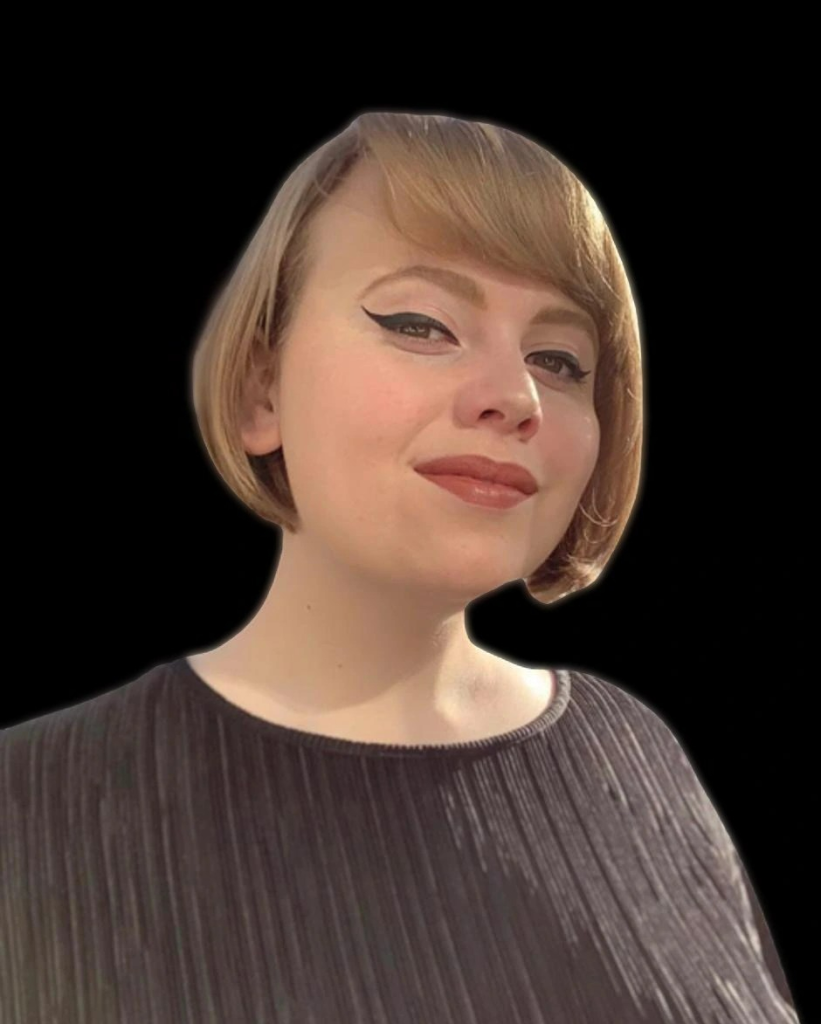
STARBURST: Congratulations on an incredible northern tour of Birdwatching. What has the reception been like, and how has the show evolved over time?
Helen Denning [producer/company manager]: Thank you! It has been wonderful seeing the show develop and become what it is today, and hearing what audiences have to say at our post show Q&As. We continue to be amazed at the genuine emotions that Birdwatching evokes in people. We love hearing how the three characters – Poppy, Amelia, and Lauren – connect with audiences, and how some people can see themselves represented on our stage. Seeing social media posts praising the show from people we have never met always gives us a huge boost, and of course we love hearing how the show has scared people. It’s a horror, after all! Consistent feedback on this tour has been that this version of the show has kept the strengths the original show had, and has improved upon the previously less developed elements. As our team has gotten to know each other better, we’ve been able to dive deeper into the underlying themes of the show and build upon the history the girls have with each other. I think we’ve also strengthened the sense of the environment largely through the technical elements of the show, particularly in the sound design by Yanni Ng. When we first performed this show in Edinburgh, we had only had 10 days of rehearsal on this brand new project. Over the past year taking the show to different places (and even countries), it was inevitable that it would continue to be workshopped and changed. The northern tour of Birdwatching was weirder, more eerie, and all together more detailed than before. Sharing it with a number of sold out audiences across the north was a joy, and we want to thank everybody who came out to catch the show.
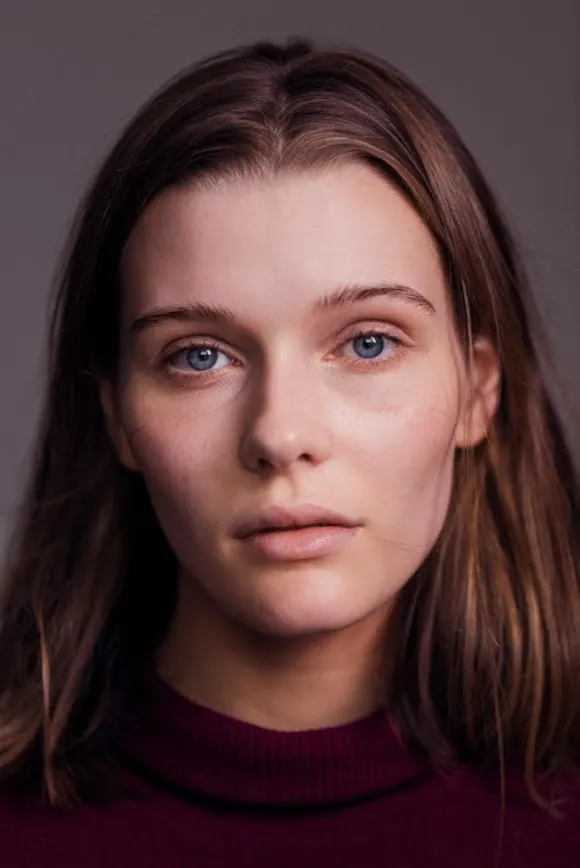
Can you tell us about the origins of the show? You’ve mentioned that it actually started out as more of a murder mystery, which you said would feature “lesbians and death, probably.” Why did you transition from that to a horror story?
Maddie Farnhill [artistic director-writer]: I conceived the characters for Birdwatching long before I did the story. I was stuck on this trio of co-dependent friends where one of them is the absolute centre of the other two girls’ attention, neither of them never quite knowing if they want to be with her or be her. I’ve always loved dark stuff so this inevitably got quite murderous the more I wrote it. I didn’t do anything with the girls until I watched The Witch by Robert Eggers, and I realised that I actually love folk-horror. I’ve always been interested in the literary connection between women and the wild – Tess of the d’Urbervilles is a classic example – and so I thought what better way to explore the murkiness of teenage female friendships then by placing them in a dark woodland, with just each other. The concept of them being watched from the trees, and that being an allegory for gendered voyeurism, unravelled from that starting point.
The paranoia in the show stems from this almost constant sensation of being observed, watched, or even stalked by something malevolent. How did you settle on this surveillance of women as the main theme for Birdwatching, particularly from queer and neurodivergent perspectives?
Maddie: I’ll never forget that quote from The Robber Bride by Margaret Atwood, about the man watching us [women] from inside our own heads. I was trying to find the sticking point for Birdwatching, and this internalised surveillance struck me as a compelling female-centred ‘horror’. With there being three of them, I also wanted to express how women police one another in order to conform, of which the examples are endless – telling each other that we need to shave, telling each other how to sit, telling each other that boys only like us when we do ‘this’ and not ‘that’. With Lauren then being neurodivergent, her desire to conform is even more layered. On top of having to ‘perform’ like a woman, Lauren feels she must ‘perform’ like a human being. In a similar vein, Poppy feels she must hide her queerness in order to protect herself. This manifests in intense shame around her body and desires – her Regatta fleece becomes a bit like body armour in that way. So while the surveillance of women is the overarching theme of Birdwatching, Poppy and Lauren bring a bit more intersectionality to that idea.
Helen: Something that we discovered while preparing for the northern tour came from Mimi, the actor who plays Amelia. Both actor and character are from Northern Ireland, which is currently the most dangerous state in all of Europe to be a woman. The statistics about femicide, violence against women and girls and harassment are truly horrific, and is something all members of the team feel extremely passionate about raising awareness of. A large part of developing the show came from honest conversations with our team about our own experiences, worries and traumas simply existing in society as female presenting people. The everyday voyeurism and constant feeling of unsafety is the real horror story that women exist in, and the normalisation of this epidemic serves as the perfect basis for Birdwatching. We’ve partnered with both Strut Safe and Cat Calls of Sheffield, both organisations who work to raise awareness about street harassment and provide services to help people feel safer and less alone.
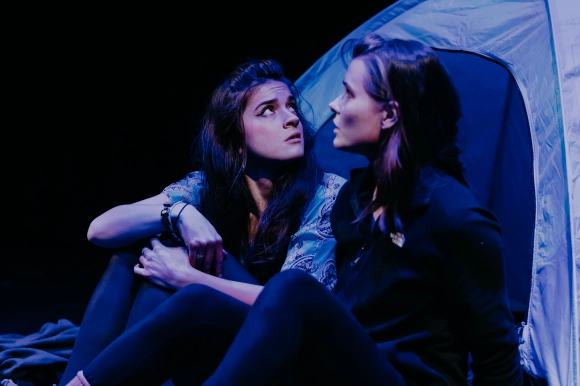
You mentioned in the past that an area of exploration while writing the show was the historical link between tales of changelings and young people with learning difficulties or disabilities. Can you tell us more about that and how it made it into the show?
Maddie: Some contemporary scholars have theorised that ‘changelings’ were in fact neurodivergent and/or learning disabled children, whose nonconformity was explained by being ‘otherworldly’, fairyworldly, specifically. While the forest spirits in Birdwatching aren’t actually an existing piece of folklore, I felt the inclusion of a changeling not only grounds the play in some actual history, but also sharpens Lauren’s own neurodiversity: like Jack, she is othered by her peers, at times villainised, and feels strangely more at home in nature. And when the human world rejects them, they ultimately find belonging in the supernatural one – they are literally away with the fairies.
Like in one of your past shows, The Hunger, you favour rural settings over urban ones. I used to live in the countryside and the pitch black, particularly in forests, combined with the silence could prove almost overwhelming. Why does this setting appeal to you?
Maddie: What I love about the folk horror genre is that it draws on what already feels very visceral and primal to us: the fear of the dark, the fear of the unknown, the fear of the wild. While folk-horror oftentimes creates horror around the folk of the countryside, like Midsommar, The Wicker Man, I think the inhuman wild itself makes a frightening antagonist. I also happen to love rural regions, I have a very strong connection to my own home county Yorkshire. I think it’s beautiful and a bit bleak and endlessly inspiring for horror. That silence can be really confronting, I’ve often felt it when I’ve been out in the Peak District or in the Scottish countryside – sometimes the silence feels like a wall, other times like emptiness just gaping back at me. I love the darkness though, it’s like a big duvet. But in all that darkness and silence I also feel like just about anything could happen, worldly or otherworldly.
You mentioned films like Robert Egger’s The Witch and Ari Aster’s Midsommar as direct points of reference. These are both films that make strong connections between women and the wilderness. How have those stories and others influenced your vision?
Maddie: I love both those films! I was initially very keen to go down an eco-feminist route with Birdwatching, but I actually think this idea of women and the wild being ‘one’ ended up being flipped on its head a bit. Poppy, Amelia, and Lauren come into a space, into another ecosystem, with very little respect for it and expect everything to go their way. While the play is certainly about female-specific friendships, fear and experiences, I don’t think these disturbed forest spirits care that they’re women! This connection then ultimately transcends gender for me, particularly with the inclusion of Jack. So, while The Witch and Midsommar certainly influenced the play’s beginnings, as we embraced the character’s intersectional identities more this connection became broader – from just women and the wild, to the ‘other’ and the wild.

One thing that makes Birdwatching so impressive is the subtle details. Where the characters tend to gaze, the anecdotes they share, even the clothes they are wearing. During rehearsals, did this require a kind of constant vigilance to maintain, or did it come naturally to the performers?
Helen: The foundational strength of Birdwatching lies in the script. Maddie has a very descriptive and cinematic style to her writing, and she takes great care in the details of her plays. This being said, we have always had very collaborative rehearsal rooms, allowing the team opportunities to offer suggestions, additions and alterations, sharing what feels natural to them. Chan decided the show should be set in 2009. Though not vital in understanding the story, it was interesting to us to place the show in a time where being neurodiverse and queer were not spoken about as openly by young people as they may be today. The 00’s press were also famously horrific in their treatment of celebrities, particularly in how they shamed women and over sexualised them from a young age. The clothing worn by Amelia actually comes from Chantell’s wardrobe, and the use of a digital camera/looks of the other girls came from her memories of being a teenager in 2009. Lots of elements of the show were already embedded into the script, but there was definitely a focus in rehearsals of where the girl’s focus should be, how they specifically would read situations, and how they naturally would react to the strange events unfolding around them. Lauren, who is more open to the idea of a force outside of the reality the girls already accept, is often gazing upwards towards the trees and the sky, as if that is where she can get information from. Amelia, on the other hand, sticks to surveying the ground level, expecting a man to be nearby. Workshopping these elements helped us to flesh out an already strong storyline, breathing life to the lines.
The symbolism in the show is fascinating, particularly the eggs and the goshawks which can have such wildly differing meanings in different contexts. Why do you think they are central to the story?
Maddie: Goshawks do have some interesting mythology! Their symbolism is actually quite broad and varies culture to culture. I knew I wanted a bird of prey to haunt the girls, and the fact that Goshawks are a native bird with all this spirituality attached to them – and they’re a little bit scary looking, if you’re a mouse – made them seem like a good fit. But I also picked them for this one characteristic: they walk across the forest floor, which is not only quite unusual, but may explain why one might hear footsteps in the forest at night. Lots of people also picked up on the eggs specifically. I suppose I introduced them because I needed the girls to really tamper with something in the woodland, to offer that possible throughline that the woods are in fact punishing them. So whilst it was initially a device, we’ve had lovely conversations about what else they represent. Chan thought they represented the power in the group, which literally changes hands throughout the play. We also discussed how they represent the wild, the fragility of life, innocence, and then ultimately sacrifice.
You’ve had so many people offer their own different interpretations of the ending, particularly the final fifteen or so minutes. There are some of these in particular have stuck with you. Can you expand on any of these?
Helen: It’s so interesting hearing the different takes people have on the end of the show, and I think it’s fair to say that they’ve made us reconsider our own thoughts on what the ending means! In Salford somebody asked if we intended to make the ending represent an outpouring of queer joy, because that was exactly how it read to them. On the opposite end of the spectrum in Harrogate, somebody the characters seemed to be being groomed by the ominous presence. There was also lots of debate and intrigue into the fate of one character in particular, who leaves the stage before the show’s final moments. People have shared how their own experiences influence how they interpret the ending, and it is always fascinating hearing how these differ. I think there is something incredibly powerful about creating work that is open ended, in the sense that this allows an audience to explore the possibilities of a story beyond the confines of a run time. When people are left considering what an ending could mean to them, and plotting out the next scenes of a show in their own minds, you know you have made something worthwhile.
Would you like to tour Birdwatching again, is that correct? And given the show’s strong links to the North of England, can I assume you would hope to do a Northern Tour again if the opportunity arose?
Helen: Absolutely, we want to do Birdwatching again. Funding, or a lack thereof, is always the biggest issue that we face. We have had some incredible supporters and previous funders, like the Keep it Fringe Fund for Edinburgh Fringe 2024, and the power couple of independent production Swords & King, which have facilitated past productions. We would love this show to have a future life, and the dream would be to have a longer run in a venue of at least 2-3 weeks. We’d also love to take the show to different areas of the UK and internationally. We’ve talked about the potential of performing in Ireland, particularly as we place more of focus on Amelia’s Irish heritage now than we did in earlier iterations of the show. No matter what, we will always keep Black Bright’s roots. You absolutely aren’t getting rid of us, northern venues! For the coming year of 2026 we have decided to return to our first ever show The Hunger. We hope to bring it back to the Edinburgh Fringe, and look in the future to tour the show. This doesn’t mean we’re forgetting about Birdwatching, however, and are actively planning for the show to have a future. We’d love to talk to anybody looking to support an independent theatre company as to how they can get involved with Black Bright, and help us to continue to put on performances.
Find out more about Black Bright Theatre here.