Introduce yourself please.
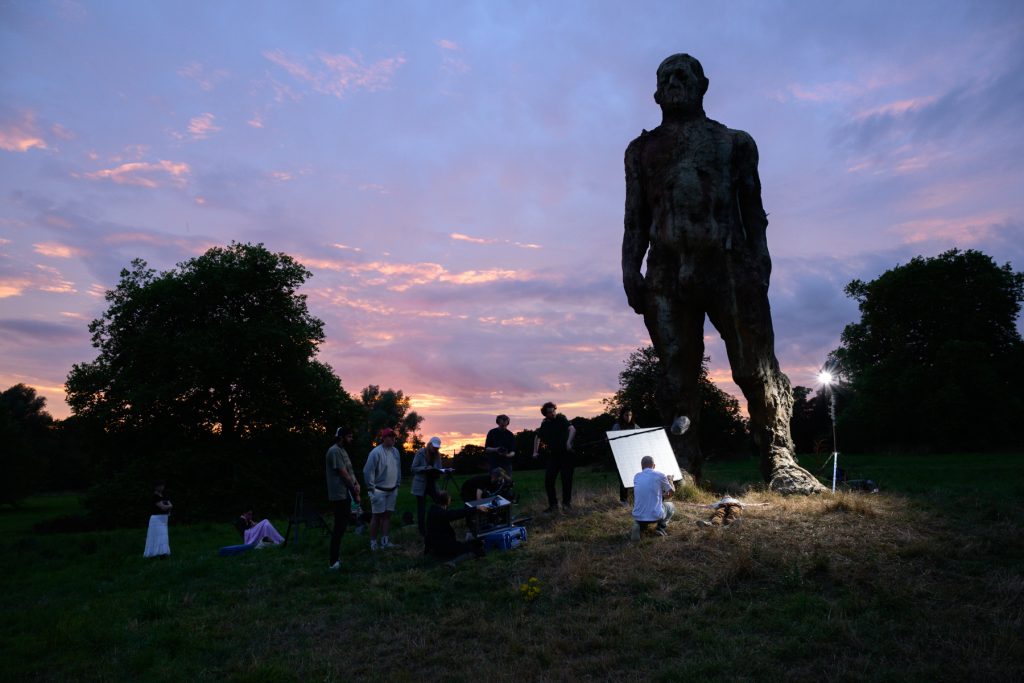
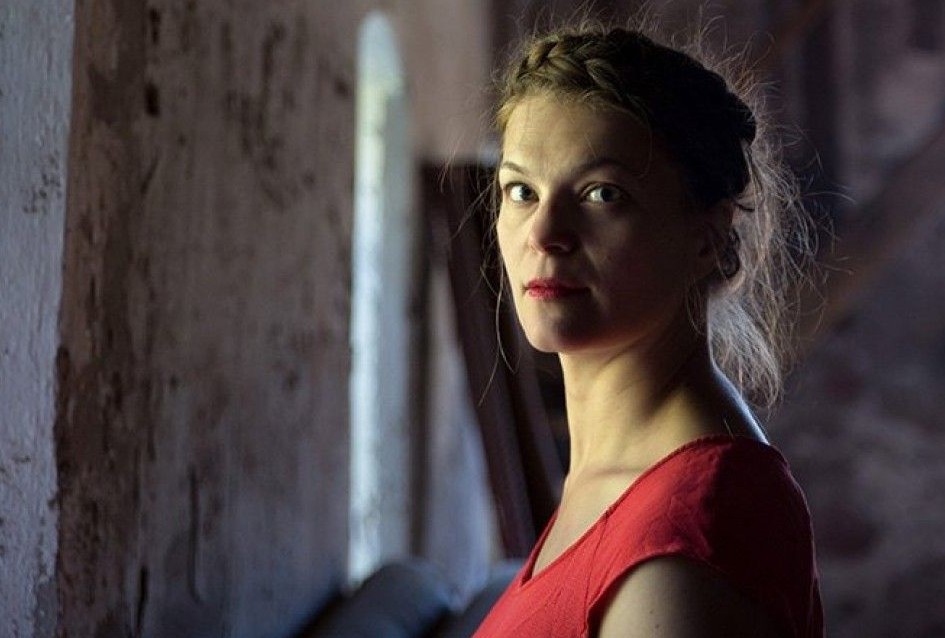
I am a puppeteer and director of the French Norwegian theatre company Plexus Polaire, and I create visual performances blending actors, life-sized puppets, music and video. I often use a literary work as starting point, and I use puppetry as a dramaturgical tool to capture the underlying feelings or themes of the story. The relationship and interaction between the actors and the puppets are central in my work, and especially how this can create a narration on several parallel levels of narration. I am not interested in replacing the actor by a puppet but instead let the actors do what the puppets cannot, and the puppets do what the actors cannot. I consider the puppets as a medium, something that can put us in contact with the invisible and help us make the unexplainable a bit more understandable.
How would you pitch Dracula – Lucy’s Dream to someone who grew up watching the muppets?
Same, same, but different. Dracula – Lucy´s dream is the Muppet´s nightmare coming to life.
And how would you pitch it to someone who really, really, likes to wear black?
Welcome to the club, wearing black is the one and only for a puppeteer. In Dracula – Lucy´s dream you can meet an actual Living Dead.
How different is it from Moby Dick?
Even though the narration of Moby Dick is very visual, it is a more story-driven show than Dracula – Lucy´s dream, which delves directly into the heart of the subject and circles around the different aspects of the theme.
How close to Dracula is the show?
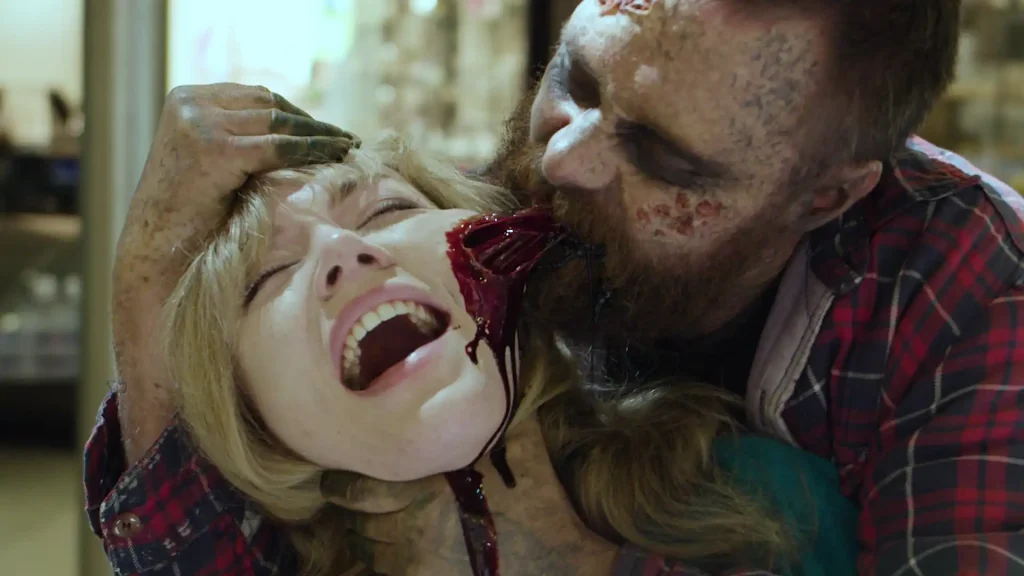
I have chosen to focus on Lucy – one of Dracula´s first victims in Stoker’s novel, and the show delves into and circles around her story.
What is the hardest part of the show?
The hardest part of the show for the actor-puppeteers is that they constantly has to switch between being actors and puppeteers, being seen and invisible, working seamlessly all together to put lucy back to life.
Isn’t Lucy’s story ultimately one of tragedy? How does the show handle that?
Seeing the story from Lucy´s perspective, allows her to retake control of her own story and stop being an eternal victim.
Why the Edinburgh Fringe?
The Edinburgh Fringe is an amazing opportunity to meet new audiences and theatre professionals from all over the world.
What was your inspiration for the show?
Bram Stokers “Dracula” was the main inspiration for the show, but “Powers of Darkness”- the Icelandic translation of the book was also essential to the process because of how the translator took possession of the story and how freely he rewrites it. I was interested in how stories of vampires and living dead appears all over the world, how everyone has a relationship to Dracula and how a myth is created.
Where else can we see you?
We are currently touring three shows in addition to Dracula – Lucy´s dream ; “A doll´s house”, Moby Dick” and “Trust me for a while” and you can find information and touring-dates on www.plexuspolaire.com
Dracula or Nosferatu?
Dracula, of course.
Ghosts or Pixies?
Definitely ghosts.
Song or Dance?
Song AND dance.
Tickets for DRACULA – LUCY`S DREAM can be found via this link.