Joe Sellman-Leava is a writer, performer. They also run Worklight Theatre: a company that makes new, interdisciplinary shows that examine our rapidly changing world, through personal stories. We adored Joe’s previous 2022 show FANBOY. We caught up with him to find out about his new show, COPYCAT.
How would you pitch Copycat to someone who spends too much time on ChatGPT?
How do you feel when you use a Large Language Model, like ChatGPT? Do you find it helpful – even enjoyable? Do you see it as a means to an end, or maybe have a quiet fear that, if you don’t use it, you might get left behind? Whatever the answer, it’s likely you have an opinion about AI, and its impact on your work, life and the world you live in. COPYCAT is a new show that wrestles with some of these questions, with a story of a teacher and a student (set in a school in the 2000s, when we were still asking Jeeves!), and a whirlwind of impressions. It might make you rethink your relationship with chatbots, and it might not. Either way, it’s a fun way to spend an hour, and we’re confident you’ll have a good time!
And how would you pitch it to someone who has seen Terminator too many times?
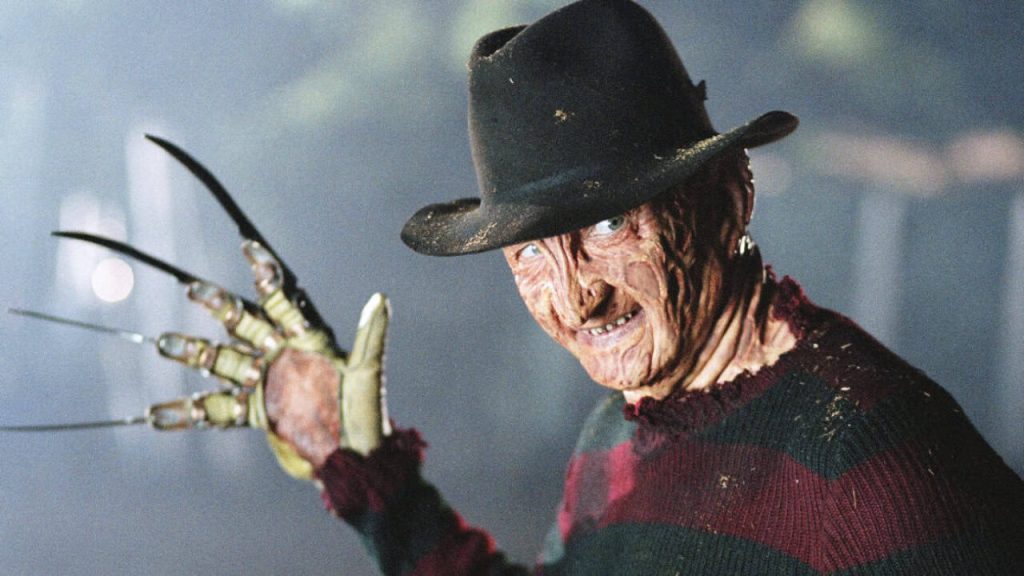
Do you agree with James Cameron that he “tried to warn us” with this movie, back in the 80s? Are you so worried about AI that you feel like Kyle Reese in police custody – “you still don’t get it do you?! YOU CAN’T STOP IT!” – like the only sane person in an insane world? Well, this show might just be for you! COPYCAT asks what AI is doing to us and the world we live in, testing the claims made by tech barons, with plenty of impressions (including Arnie!), anchored in a joyful, live experience that celebrates what it means to be human.
How different is it from FANBOY?
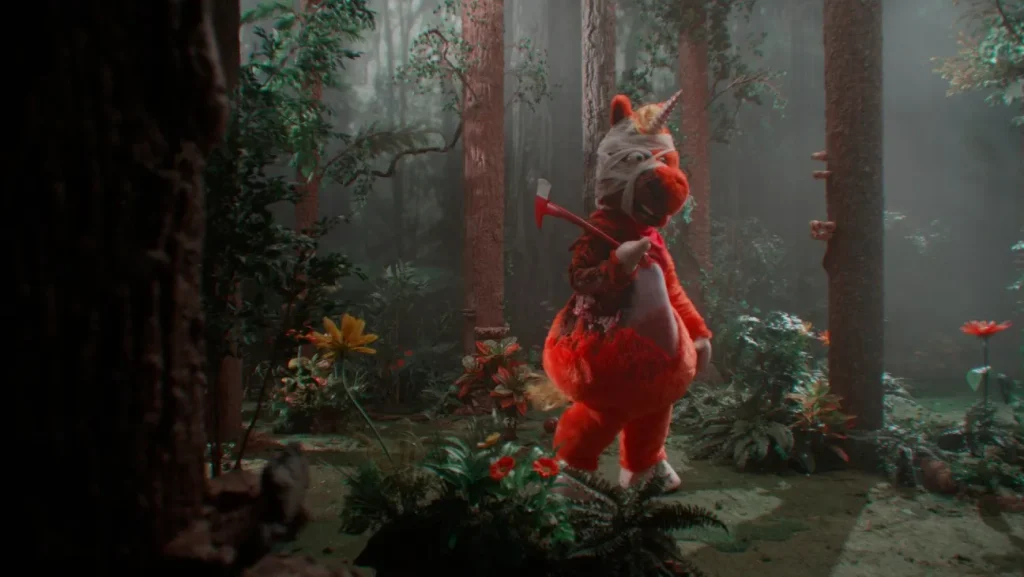
They’re both auto-fictitious in nature –drawing on real experiences and turning them into a story. Both are a result of very collaborative processes. COPYCAT leans even more into the impressions, which are a significant gesture in the show, used to examine the role of imitation in life, learning and creativity. While both shows have ambitious technical designs, COPYCAT has longer sections with little-to-no tech, with plenty of tangible, hand-made art. We really wanted to celebrate what theatre and storytelling can do best: connect people in a live, shared experience.
Is technophobia ever justified?
I think asking questions is vital – especially of new technologies and how they’re used, funded and regulated. I love Cory Doctorow’s questions on this: who is the technology doing something to (i.e. citizens and workers)? And who is it doing it for (i.e. owners and tyrants)?
In the long run, many technologies have benefited humanity. But before the printing press enabled the scientific revolution, it gave political power to a fringe conspiracy theory that witches lived among us and were agents of Satan – leading the death and torture of tens of thousands of innocent people. Before the industrial revolution enabled public transport, healthcare, homes and education, and the civic of trade unions (which led to workers’ rights, the eight hour day, paid holidays and pensions), it was used by empires (for colonisation, slavery, genocide and war), and by robber barons to create and control monopolies.
I think of myself as somewhat technophobic: partly because I prefer working with people and without screens, but mostly because I think history tells us that the benefits of technology often happen despite the people who own them, not because of them.
What is your favourite part of the show?
Currently it’s the opening salvo of impressions: it’s just a fun way to introduce people to the story, characters and the world of COPYCAT.
Name one thing that everyone has in your ideal future?
Agency. I think if you look at the overlapping crises of climate, conflict, housing, inequality and cost-of living, and how these are and will likely continue to be compounded by the current financial and governance structures around AI, a common thread is how they rob people of agency: a safe and healthy planet; affordable homes; fair pay, opportunity and a decent quality of life.
Why the Edinburgh Fringe?
If you’re able to go, it can be such a great way to get a new show ready and find its audience. I also just love how much art and culture is packed into one place: an already stunning city, teeming with thousands of shows, artists and audiences, for an entire month – there’s nothing quite like it!
What was your inspiration for the show?
I work as a screenwriter in children’s TV, and was at a conference the year ChatGPT launched. I got the last seat in a workshop titled: ‘can AI create a new children’s TV show?’ COPYCAT started as an examination of why I – and writers like me – don’t have enough work on right now. But the more I’ve learned, the more I think that the questions AI poses for humanity are much deeper and more existential. The show is an attempt to make sense of that, and to ask what it means to be human.
Where else can we see you?
COPYCAT will be touring throughout autumn 2026 and spring 2027. I’m also co-producer and dramaturg on my friend and collaborator Dylan Howells’s show, FORGET ABOUT ME, which weaves magic, horror and storytelling into a unique little ghost story (also at Pleasance, this Fringe).
Phantom Menace or Force Awakens?
I think it’s funny that films both opened to such commercial success and fanfare, then were given an increasingly hard time by some fans and critics as time passed. I think the prequel trilogy came to be appreciated as its own thing, by its own audience and wonder if the same will be true of the sequels, in time. But I’m stalling… I think I’d say The Phanom Menace: for the set pieces, the cast and Duel of the Fates. And my affection for Jar Jar Binks!
Spaced or Community?
Spaced. I love its ability to weave film, geek and pop-cultural references into memorable characters and moving storylines, with so many great gags. Actually I haven’t seen it in years…I want to rewatch it now…
Wall-E or The Matrix?
I’m a huge Pixar fan and Wall-E is great, but I’d have to say The Matrix! My brother and I pretty much wore out our VHS copy when we were kids, and it’s one of the dystopian sci-fi films we’ve looked at while researching and creating COPYCAT (trying to find out just how deep the rabbit hole goes…)