This new indie psychological horror is a difficult watch, and that’s clearly writer-director Martin Melnick’s intention from the outset. A low-budget, claustrophobic, dialogue-driven treatise on existential torment, Lilly Lives Alone is far from multiplex popcorn viewing. Melnick blends unnerving, spooky chills with an intense portrayal of the devastating personal impact of unimaginable grief.
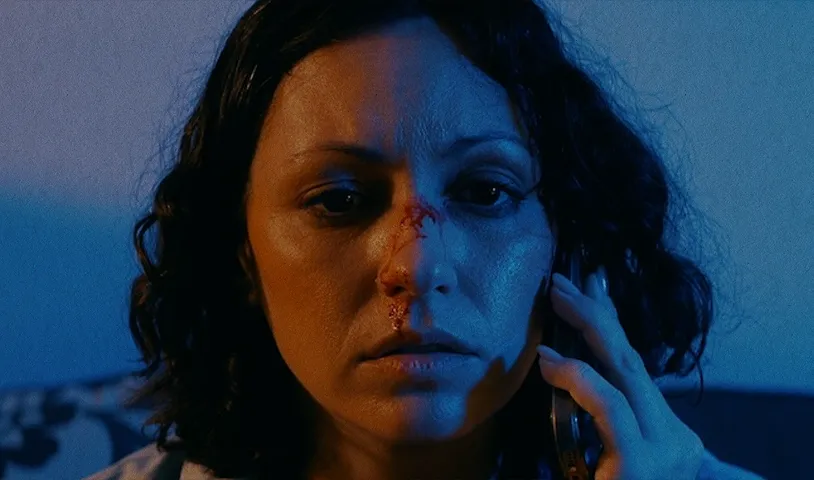
Ten years on from the death of her young daughter, Lilly (Shannon Beeby) is still overwhelmed by an unprocessed sense of loss. Shunning connections from family and friends, Lilly is untethered and adrift, looking for solace in alcohol, pills and meaningless one-night pick-ups. Spending most of her time home alone, she is haunted by memories of her own dysfunctional childhood and ghostly apparitions that might be spectres reaching out to her or simply the hallucinations conjured up by her own addled mind.
Apart from the few glimpses of the outside world, the drama of Lilly Lives Alone unfolds in the gloomy and drab interiors of her home. Her isolation is broken only by the occasional visits of concerned workmates, intrusive neighbours (genre stalwart Jeffrey Combs on scene-stealing form), or her latest hook-up Jed (Ryan Jonze, who plays out of his depth rather adeptly). Given the subject matter and her centrality to the film, it’s a bold creative choice to make Lilly such an unsympathetic character. Audiences will feel empathy for Lilly’s plight, but her caustic, endlessly self-destructive behaviour towards others makes her difficult to like.
Even so, the emotional rawness of Beeby’s committed performance is both powerful and impactful. The supernatural elements of the story are ultimately peripheral to Melnick’s concern with matters of guilt and redemption, yet this remains a visceral and affecting viewing experience.

LILLY LIVES ALONE is available now on streaming platforms in the US. A UK release is coming soon.