Turning a beloved fantasy novel into a movie is a bit like performing a magic trick. You have a world built in the minds of readers, full of vivid details, sprawling landscapes, and deep character arcs, and you have to condense all that into a couple of hours of screen time. It’s no wonder that this task can be daunting, with filmmakers juggling the expectations of fans, the limitations of the medium, and their creative visions.
The Art of World-Building
Fantasy novels often transport readers to intricately crafted worlds, teeming with unique cultures, languages, and histories. The written word allows for detailed world-building at a leisurely pace, with readers gradually piecing together the setting through immersive descriptions.
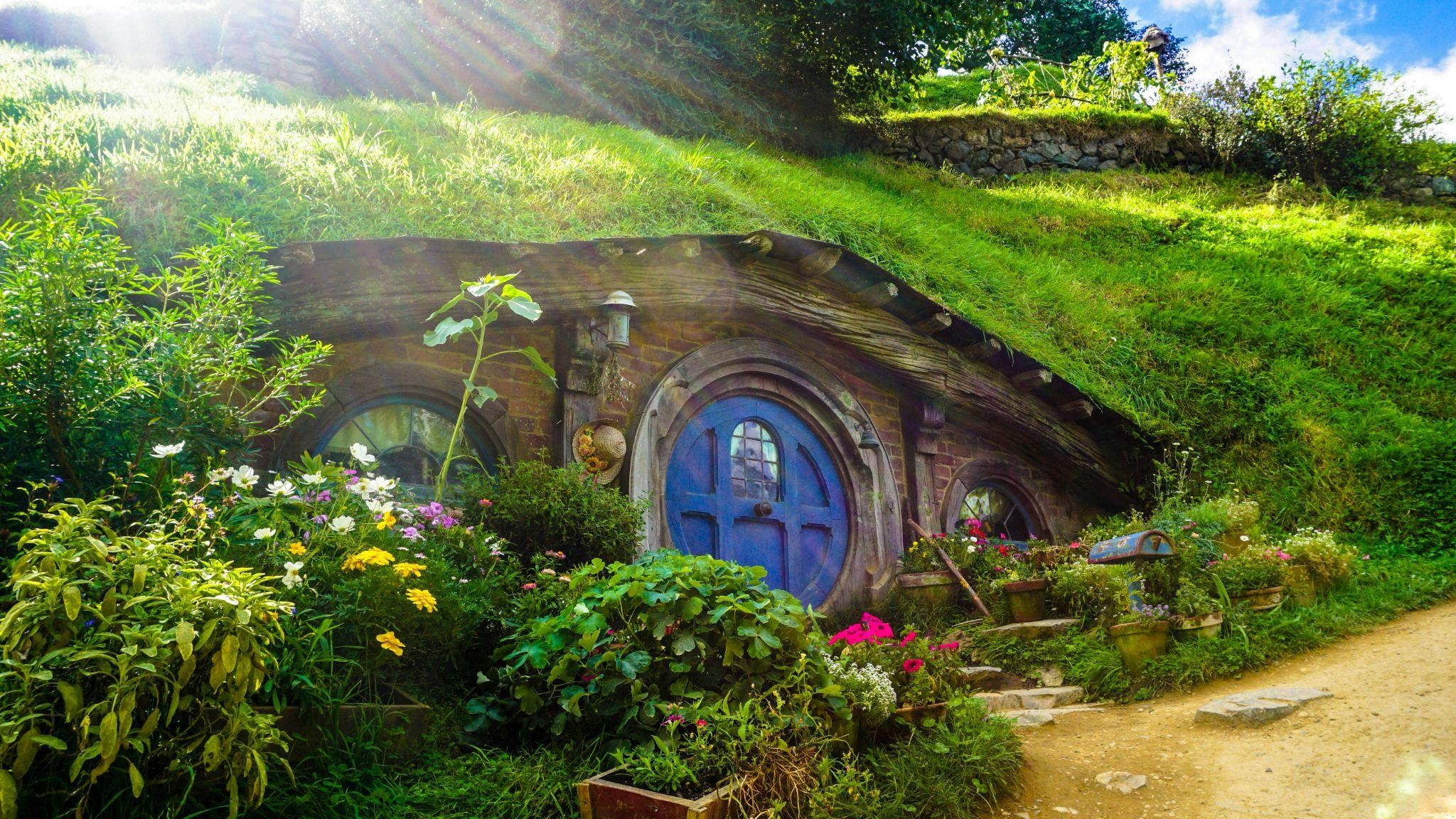
Filmmakers must distill the essence of these worlds into visual representations that are both believable and engaging. Take “The Lord of the Rings” trilogy, for example. The films succeeded largely because of the meticulous attention to detail in set design, costumes, and special effects.
Character Condensation and Development
In a novel, there’s ample room to explore these characters in depth, allowing readers to form strong connections with them. Films, however, are constrained by time and often must streamline character development to fit within a two-hour runtime.
This compression can lead to the exclusion of subplots and secondary characters, sometimes altering the fabric of the story. Filmmakers have to carefully decide which characters and arcs are essential to the main narrative and which can be trimmed or combined. The “Harry Potter” film series navigated this challenge by focusing on the central trio and their immediate circle.
Pacing the Narrative
Novels can afford to build up slowly, layering world-building and character development before ramping up to the main action. Films, on the other hand, need to maintain a more immediate and engaging pace to keep the audience’s attention.
For instance, when adapting “The Hobbit,” the decision to expand it into three movies resulted in criticisms about pacing and added content that wasn’t in the book. Conversely, the “Game of Thrones” series, with its extended TV format, was able to maintain a pacing closer to the source material, allowing for a more faithful adaptation.
Visualizing the Imaginary
Fantasy novels thrive on the reader’s imagination, conjuring images of magical creatures, epic battles, and otherworldly landscapes. Translating these elements into visual form is a monumental task that relies heavily on special effects and creative vision.
Successful adaptations, like “Avatar,” use cutting-edge CGI to create immersive worlds and lifelike creatures. Poorly executed CGI or unimaginative design choices can turn what should be awe-inspiring into something lackluster or even laughable. Similarly, engaging visual experiences can be found in online games, where creativity and technology meet to deliver captivating results — click here for an example of modern interactive entertainment.
Staying True to the Source Material
One of the biggest points of contention in adapting fantasy novels is the level of faithfulness to the source material. Fans of the books often have strong opinions about what should and shouldn’t be included in the adaptation. Filmmakers have to balance staying true to the original story with making necessary changes to fit the film medium.
The “Harry Potter” series, for example, faced its share of criticism for omitting or altering certain scenes and characters. Despite these changes, the films were generally well-received because they managed to capture the spirit and core narrative of the books. On the flip side, some adaptations, like “Eragon,” were criticized for deviating too much from the source material.
The Author’s Influence
Authors who collaborate closely with filmmakers can help ensure that the adaptation remains true to the essence of their story. However, this collaboration can also lead to creative differences, as seen with some adaptations where the author and filmmakers had conflicting visions.
When J.K. Rowling was involved in the “Harry Potter” films, her input helped preserve the integrity of the story. In contrast, when authors are less involved, the adaptations can sometimes stray too far from the original vision, disappointing fans and diminishing the story’s impact.
Learning from Successes and Failures
Despite the numerous challenges, there are standout successes in the world of fantasy adaptations. “The Lord of the Rings” trilogy is often hailed as the gold standard, blending faithful representation with cinematic innovation. Its success can be attributed to a clear and dedicated vision, careful attention to detail, and the use of groundbreaking technology.
Learning from the missteps of less successful adaptations is equally important. Understanding where adaptations falter—be it in pacing, character development, or visual effects—provides valuable lessons for future projects.
Conclusion
Adapting fantasy novels into movies is a complex and challenging endeavor. It requires balancing the original story’s essence with the demands of the film medium, all while meeting the high expectations of devoted fans. The journey from page to screen is fraught with difficulties, but when done right, it can produce cinematic magic that stands the test of time.