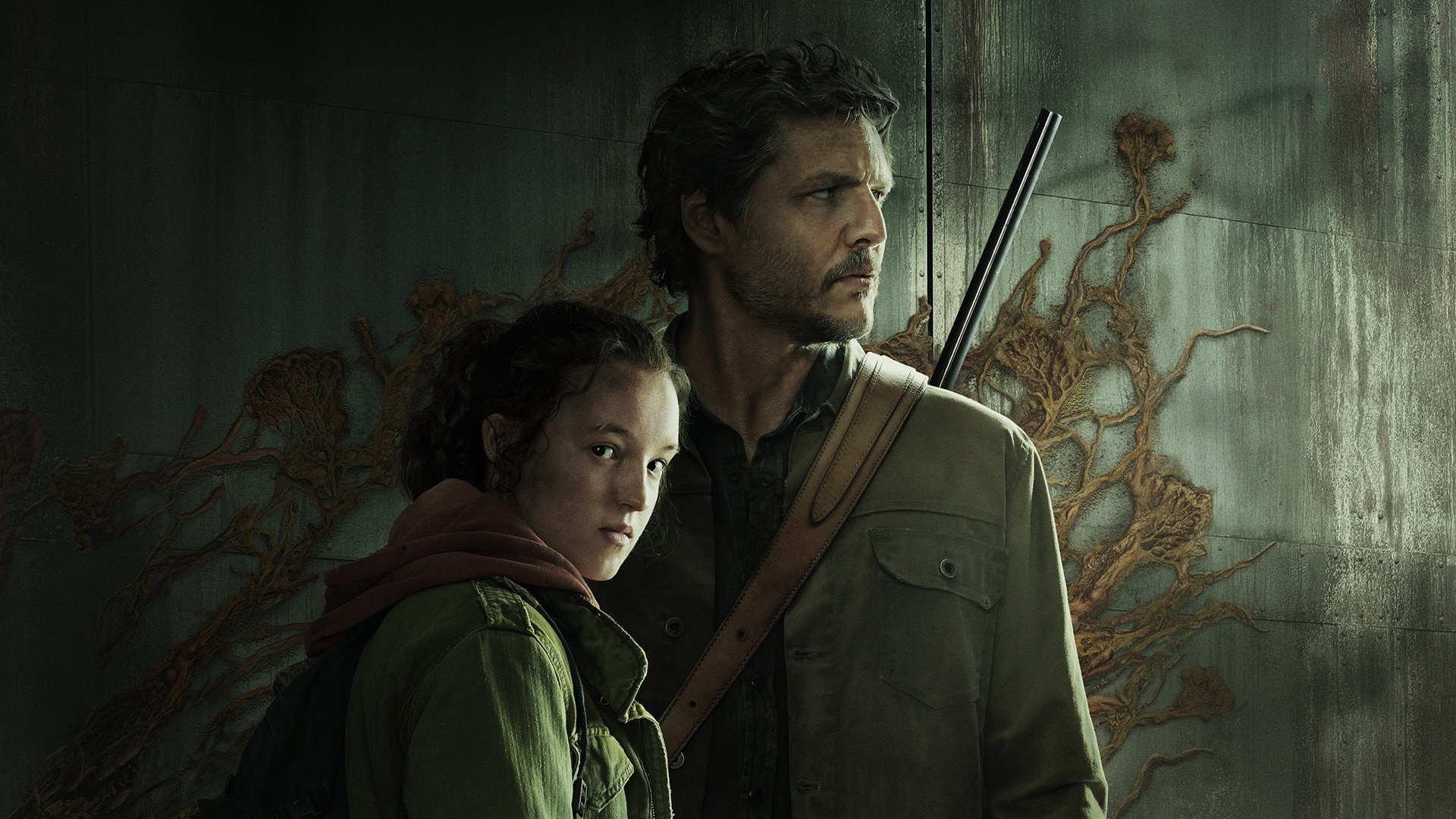
Despite what we might generously call a less-than-stellar first effort, the recent Super Mario movie has solidified just how well gaming can translate to the TV and movie space. Aided by other well-received releases like The Last of Us and the two Sonic the Hedgehog films, a form of transference once dismissed is proving a now effective source of filmmaking ideas.
As the film industry has proven time and again, one film or idea performing well means a slew of imitators, and for better or worse, that means a new generation of gaming movies and TV is coming.
Expansions on much-loved properties are exciting, but they also introduce a range of challenges that historical efforts have often overlooked. New interpretations of games into new mediums might not be as easy as some executives are hoping, and we want to look at why.
Translating Gameplay
The most important aspect of video games for many players isn’t the story, the characters, or the world, it’s the gameplay. How a game feels in your hands, and how the game’s feedback delivers a sense of power, wonder, and accomplishment are all key to delivering a satisfying experience. They are also aspects that are only possible to leverage in a directly interactive medium.
This creates a problem when trying to move a game or series from a heavy gameplay focus to a passive form of media. A famous example of a series missing this mark is demonstrated by the two Doom movies.
The gameplay famous in Doom involves moving at break-neck speeds, annihilating hordes of monsters, and never slowing down. Making a film like this goes against storytelling conventions, and would be prohibitively expensive to produce.
Better examples have been found taking a bigger picture approach, which might not gel with all games. The recent Gran Turismo and Tetris films are prime demonstrations of this idea, where the actions of these non-story-driven games devoid of context wouldn’t make sense as a movie or TV series. Instead, the films have zoomed out, taking a biographical approach to an event around Gran Turismo, and the creation of Tetris. It’s not just video games that have adopted this direction either, as is well demonstrated by the gaming landscape of casinos.
Films based on casinos like the Ocean’s series and, well, Casino, don’t obsess over the gameplay, and this is true of films that focus on online services as well. Sure, the best online casinos succeed by offering many different titles like slots, blackjack, and poker, but it’s again difficult to make a film on these components specifically. Instead of looking at people collecting bonuses and playing on their laptops or mobiles, online casino movies like Croupier or Runner Runner go broader. This makes them a better fit for movies but at the cost of not being so tightly linked to the games themselves. It’s a real balancing act, and it can be difficult to do justice.
A Matter of Choice
Another issue that we have to wonder about with the coming Fallout TV series is the emphasis that some games place on player choice. The Fallout series are role-playing games that are built on the idea of making decisions that affect the characters you like and the world you inhabit. TV series and films can’t integrate this aspect, which removes one of the most important components that made Fallout famous.
There isn’t an easy way to solve this issue, with the only path forward being to simply sweep it aside. A show or movie can still present interesting and grey moral questions, but it has to ignore the craziness that a system in gaming can provide.
What if all of my characters in Fallout had one intelligence and charisma and maximum strength and luck, for example? It’s still possible to finish the games this way, but good luck selling such a protagonist to a showrunner or a network executive.
Serious and Silly
The final component that often causes problems in moving games to TV and movies is the tone. Video games can be campy, not afraid of being ridiculous, or simply making no sense. This works in games because as long as the player has fun, realism doesn’t matter.

Source: Pexels
In films or television, especially in live action, the media must be much more careful about what audiences will accept from plausibility. This can dull down the edges of the original property, homogenizing and transforming it into something unrecognizable. If you remember the first Super Mario Bros movie, you remember how far it deviated from the source material, and the results.
The new movie understood how far suspension of disbelief was built into the core of gamers, and how much leeway they’re willing to give film adaptions. The world was ridiculous, but it didn’t matter, it was also fun.
With Mario, Sonic, and The Last of Us all slated for highly anticipated sequels, there’s a good chance that the proven direction of these franchises in the film and movie space will continue to pay off.
Less guaranteed is the range of other adaptions, which might be less able to overcome the issues inherent in bringing interactive experiences to the passive space. While we’ll be sure to give everything a fair shake, we’ll have to remember the path travelled, and those who lost their way.