by Beth McMillan
In Wes Anderson’s latest cinematic work, the acclaimed filmmaker again demonstrates his unique ability to blur the lines between reality and surrealism. However, despite offering a poignant narrative that explores themes of human connection and nostalgia, Asteroid City may leave even the biggest Anderson fans wondering how abstract is too abstract.
The film is a perplexing foray into postmodernism, which highlights Anderson’s signature stylistic quirks but falls short of delivering the emotional depth of his previous films. While Asteroid City is unmistakably Anderson, it marks a departure from his previous works, venturing into unexplored territory by parodying classic science fiction.
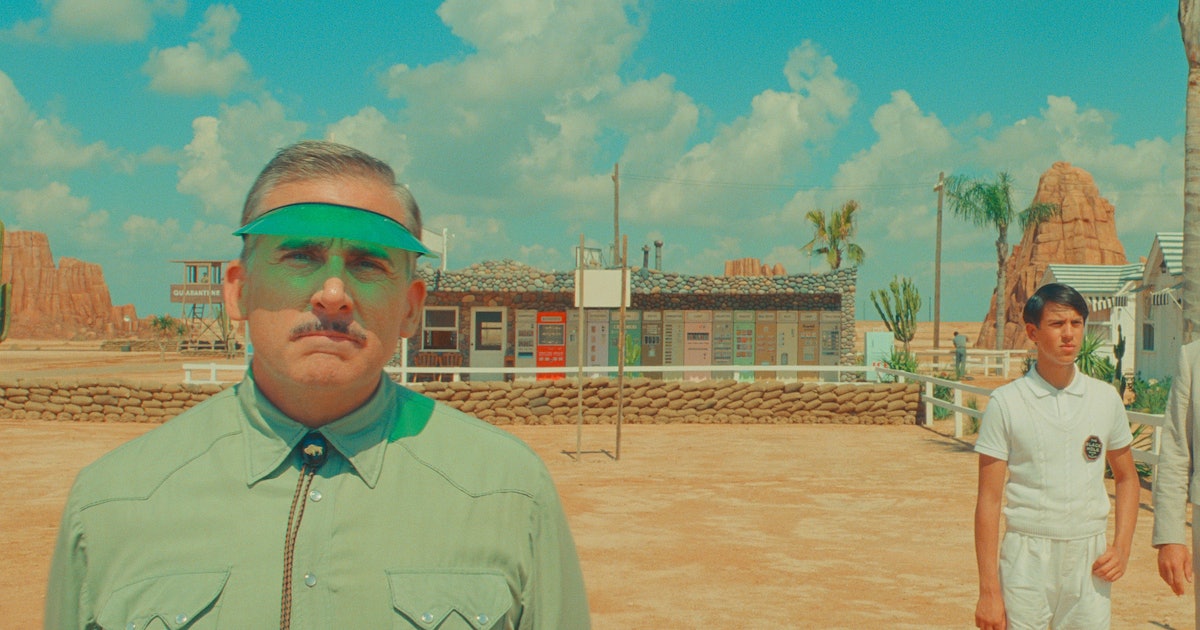
Set in a remote, cartoonish American desert town in 1955, Asteroid City perfectly captures the sense of isolation of the small-town setting. The eponymous Town’s only point of interest is the observatory at a site where a meteorite landed 5,000 years ago.
The narrative follows a host of oddball characters, including a band of ‘wiz-kid’ high-school students and their parents, visiting the town for the ‘Junior Stargazers and Space Cadets Convention’ before inadvertently becoming witnesses to an alien landing!
Jason Schwartzman portrays protagonist Augie Steenbeck, a war photographer and recent widower grappling with breaking the news of his wife’s death to his children. Swartzman effortlessly encapsulates both the film’s humour and his character’s vulnerability.
The appeal of the story lies in the characters’ relationships, notably Augie’s relationship with actress Midge Campbell (Scarlett Johansson) and his son Woodrow’s budding romance with Midge’s daughter, Dinah, another young, vivacious space enthusiast attending the convention.
Anderson is synonymous with imaginative storytelling and visually enchanting worlds, and Asteroid City is no exception. The screenplay is introspective and witty, and the film’s visuals are fabulous, with the muted colours and quirky, retro architecture beautifully capturing the desert pitstop village.
Yet, despite the vibrant setting and stellar cast, including Tom Hanks, Steve Carell, and Tilda Swinton, the narrative seems to falter at points. Viewers are drawn into a tapestry of subplots following individual characters, each contributing to the larger storyline. However, these scenes feel disjointed rather than part of a cohesive story. Fascinating characters are introduced, and then their storyline is seemingly abandoned or at least not explored to the fullest.
Adding to the complexity, Asteroid City is actually a ‘film within a film’, posing as both a Broadway play and a documentary about the making of the play. The constant shift between the town scenes and the artificiality of the theatre scenes seems unnecessary and detracts from the potential emotional depth of the story. Reminding audiences the story isn’t real disrupts their ability to engage with and lose themselves in the action.
Overall, Asteroid City is a visually captivating and amusing journey into Anderson’s creative mind and encapsulates his distinctive style with its endearing characters and strong visuals while venturing into new territory. However, its confusing structure risks alienating viewers seeking a more heartfelt narrative. While Anderson’s die-hard fans may enjoy the director’s enthusiasm for stylistic innovation, others might find themselves looking for a more rounded experience.

ASTEROID CITY is available to rent or buy digitally