by Ben Bradley
Over the past decade or two, interactivity has become an important part of our entertainment. As such, some movies have tried to incorporate these elements into their historically rigid presentation.
Thanks to streaming services, with Netflix leading the charge, it’s more feasible to deliver interactive shows to people. Today we’re asking if these services can go interactive and how, with examples.
The Origins of Interactive Entertainment
Ignoring those old choose-your-own-adventure books, an early pioneer of interactivity in the digital age was the gaming and casino industries. On TV and now online, it’s possible to access live dealers and games that get played in real-time. It’s more social and builds trust, as the results of the game happen right in front of the audience. It’s effective with card games, naturally, but wheel games that could easily be automated still use live dealers, as seen with games like crazy time. These services understand that something is lost when there isn’t somebody to interact with and react to things that you do.
Some movies have come close to interactivity now and then. Mr Sardonicus used the idea in 1961 as a marketing gimmick while in 1985, Clue played a joke on its audiences by releasing multiple endings to different theatres. It’s close, but audiences didn’t know they were choosing a different ending when they bought tickets.

Source: Unsplash
The reason nobody committed to the idea was the expense. It’s expensive, especially in a movie environment, to film what is essentially multiple movies depending on choices the audience might make. Then there’d still be a favourite story path for audiences, making it seem like a futile endeavour. Cutting the movie together would have also been a mess with pre-digital filming and, for TV shows, they were written so fast-paced that stopping to run an audience competition would slow things down.
How Streaming Services Enable Interactive Stories
Now the processes of filming and editing are easier, and many of the costs are down, but that hasn’t stopped budgets from ballooning. An interactive movie was still a gamble but now we have companies rich enough to take the gamble, which is where Netflix stepped in.
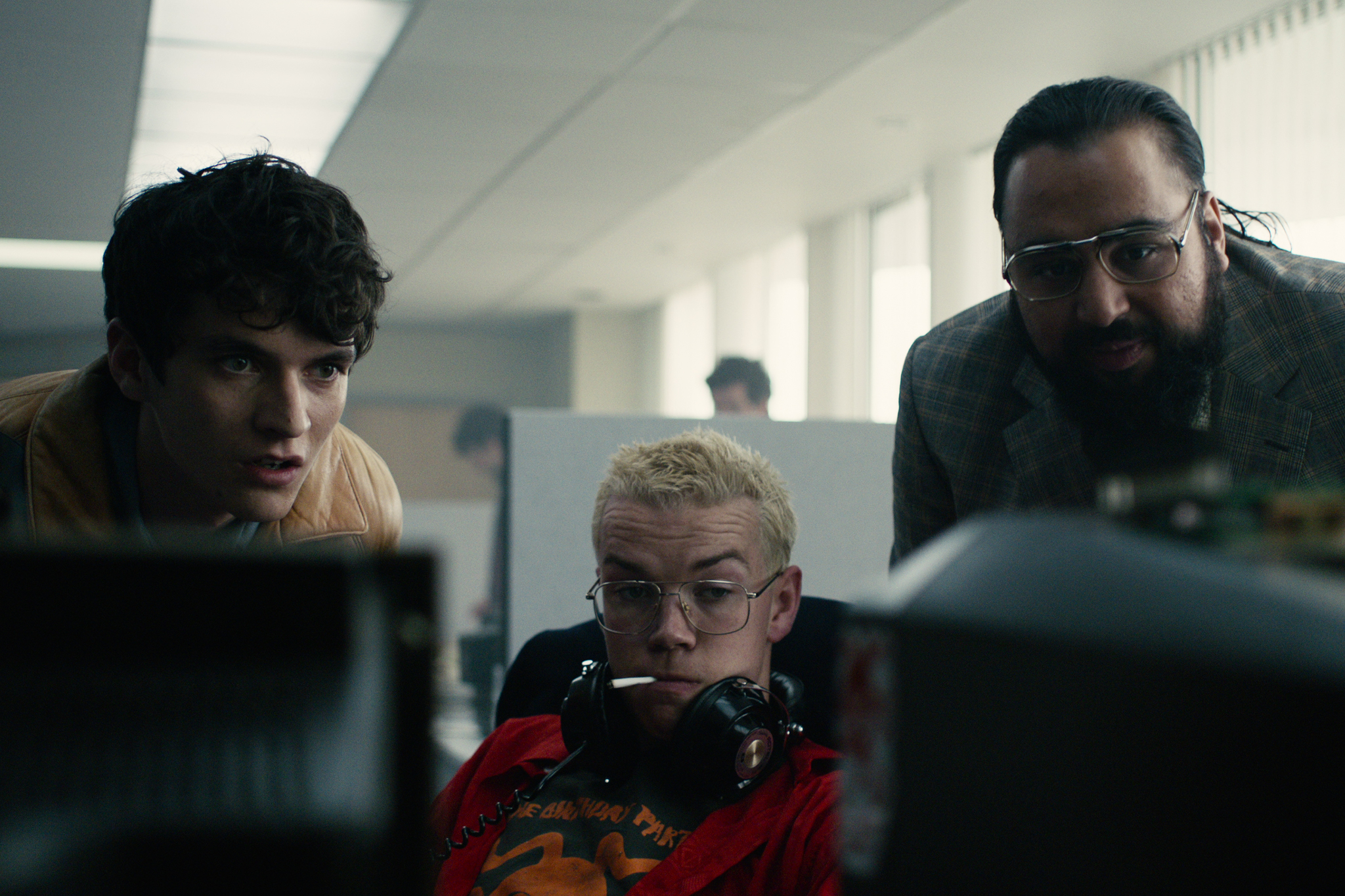
Netflix has created several interactive experiences in the years since but it was Black Mirror: Bandersnatch that first caught a lot of attention. Black Mirror is critically acclaimed for its dystopian insight, so Charlie Brooker penned an interactive story that could only be told through a streaming service.
With streaming, individuals watch movies and shows at their own pace. This enabled Brooker and the Netflix production teams to gamify that, adding choices into Bandersnatch that you couldn’t pull off on cable television. In 2019 Netflix doubled down on this idea by working with Bear Grylls to produce You vs. Wild and its sequels.
The Future of Interactive Stories
As of right now, the slate looks clean where future interactive projects are concerned. Even if easier nowadays, it’s still labour intensive to create a choose-your-own-adventure film. While we don’t doubt that Netflix or a competitor will try it again, these projects often get more acclaim for trying out the concept rather than being praised on artistic merit.
Media is on a collision course with personalisation. The recent breakthroughs in generative AI and other mind-boggling technologies have shown that individuals may be able to conjure their own entertainment in the future. Does that count as interactivity if it’s something uniquely created for you?
If interactive movies and TV shows ever have their time in the sun, it’d be during this transitional phase where media can start from a shared point but then be personalised to the audience’s tastes. That way, we can still have water cooler conversations about the stories we create.