LUST FOR A VAMPIRE (1971) / CERT: 18 / DIRECTOR: JIMMY SANGSTER / SCREENPLAY: TUDOR GATES / STARRING: BARBARA JEFFORD, RALPH BATES, SUZANNA LEIGH, YUTTE STENSGAARD / RELEASE DATE: AUGUST 12TH
Jimmy Sangster’s second film in the loose Karnstein trilogy, between The Vampire Lovers and Twins of Evil, came at a tumultuous time for Hammer Film Productions as they weathered major behind-the-scenes personnel departures, the loss of vitally important distribution deals and a new culture which no longer favoured the vivid Gothic horrors that had made the studio’s name. By the end of the decade in which Lust for a Vampire was released, Hammer as a cinematic force would be over.
While the studio was still having major hits with adaptations of TV sitcoms, for a long time the horror films released in the 1970s by Hammer were used as evidence that the company was creatively spent. This assessment has changed over recent years with more people willing to find the good in Hammer’s attempts to stay relevant. That being said some films still frequently come in for a kicking and Sangster’s is one of them. Lust for a Vampire has its admirers nevertheless and this new Blu-ray gives us the opportunity to reassess the film in high definition with some contextualising extras as well.
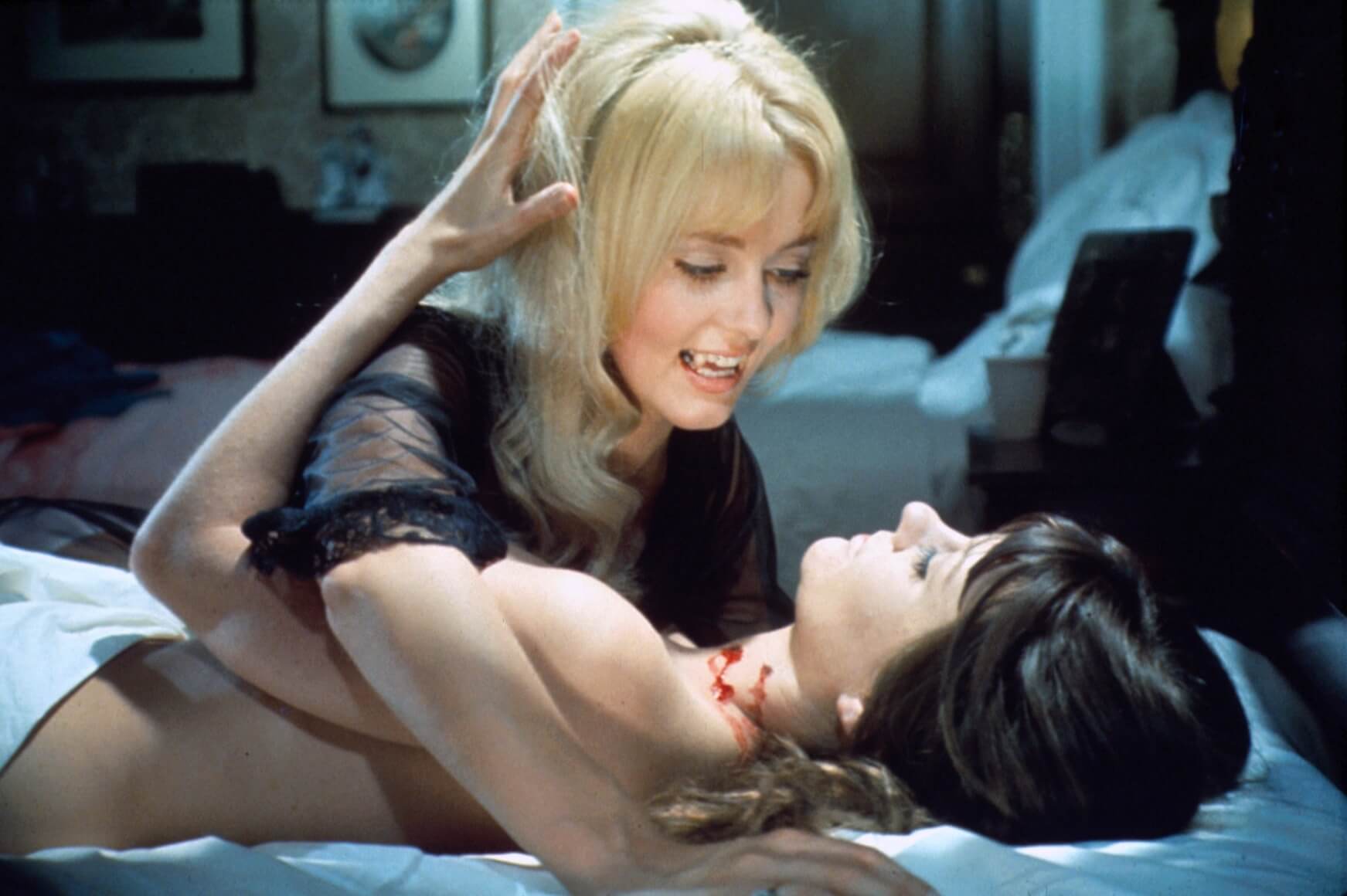
The film centres on events at a young women’s finishing school set out in the countryside. Visiting author and the All-Time Biggest Hammer Douchebag winner Richard LeStrange falls instantly for new student Mircalla and blags his way into teaching at the school so he can stay close to her (we know, creepy, right?). Unfortunately for him, Mircalla isn’t the sweet and virginal young woman he is so intent on defiling, but actually the centre of a plan by the immortal Karnstein’s to resurrect their family once again. Nudity, blood and violence is ramped up, the film doing things Hammer could only dream of 10 years previously. And it is actually pretty good. Sangster flits between functional direction and moments of inspired beauty, performances are mostly solid and it teeters pleasingly on a camp knife-edge throughout until its inarguably nonsensical but satisfying conclusion.
There’s a good print here, which does the budget special effects no favours, but otherwise makes the best of highlighting what Hammer could do for very little. The extras are fun too, starting with some familiar contributors talking about the making of the film and mostly avoiding the issue of whether they think it’s any good at all. There’s a shorter piece about the differences between the original script and finished project that shows just how much was shifting within Hammer at the time. Best of all, there’s a lovely interview with Judy Matheson where the only problem is it’s too short (we could listen to Judy all day). For the Hammer completists out there, it’s warmly recommended.